In parts of the northeast Dallas suburbs, listings are expiring faster than in neighboring areas. A listing expires when a home doesn’t sell before the seller’s contract with an agent ends. Whether these expirations create an opportunity for investors depends on which ring of suburbs they target, according to Cindy Dunnican.
Dunnican leads The Dunnican Team at Coldwell Banker Apex and has worked the northeast Dallas market since 1998.
Where Listings Are Expiring
Dunnican says listing expirations have reached striking levels in specific areas. “One in three homes is expiring in some of our markets,” she says.
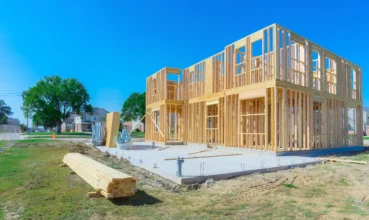
Those expirations are concentrated in the outer ring of the Dallas metro, which Dunnican calls the third tier. These are the most distant suburbs, where homebuilders are most active. In those areas, people selling existing homes compete directly with builders. Builders can offer rate buydowns, in which the builder pays to lower the buyer’s mortgage rate. Individual sellers can’t match that.
The financing gap is significant. Dunnican says a buyer can purchase a new home at a 4.99% interest rate or an existing home at the same price at around 6.75%. “Which one are you going to buy?” she asks. That gap explains why sellers in outer suburbs struggle to sell even when they price their homes reasonably.
Builders Dominate Outer Suburbs
Dunnican says sellers of existing homes in these distant suburbs face a built-in disadvantage. Builders can absorb the cost of rate buydowns as a sales incentive. Individual sellers have no equivalent tool. In areas crowded with new construction, an existing home must offer something a new home cannot, and that case is hard to make.
“The builders have much deeper pockets,” Dunnican says. “People who bought their home two or three years ago, if they need to sell it, they can’t if they’re competing with new construction.”
Recent buyers in these outer suburbs who now need to sell may struggle to get a price that covers what they paid, she says. The cause isn’t a broader market decline. It’s local competition from builders.
For investors, Dunnican says this is a reason to avoid the third tier entirely. Selling later is too risky. A property that is hard to sell today will likely stay hard to sell until builders finish the new homes planned in that area.
Cosmetic Updates Pay Off
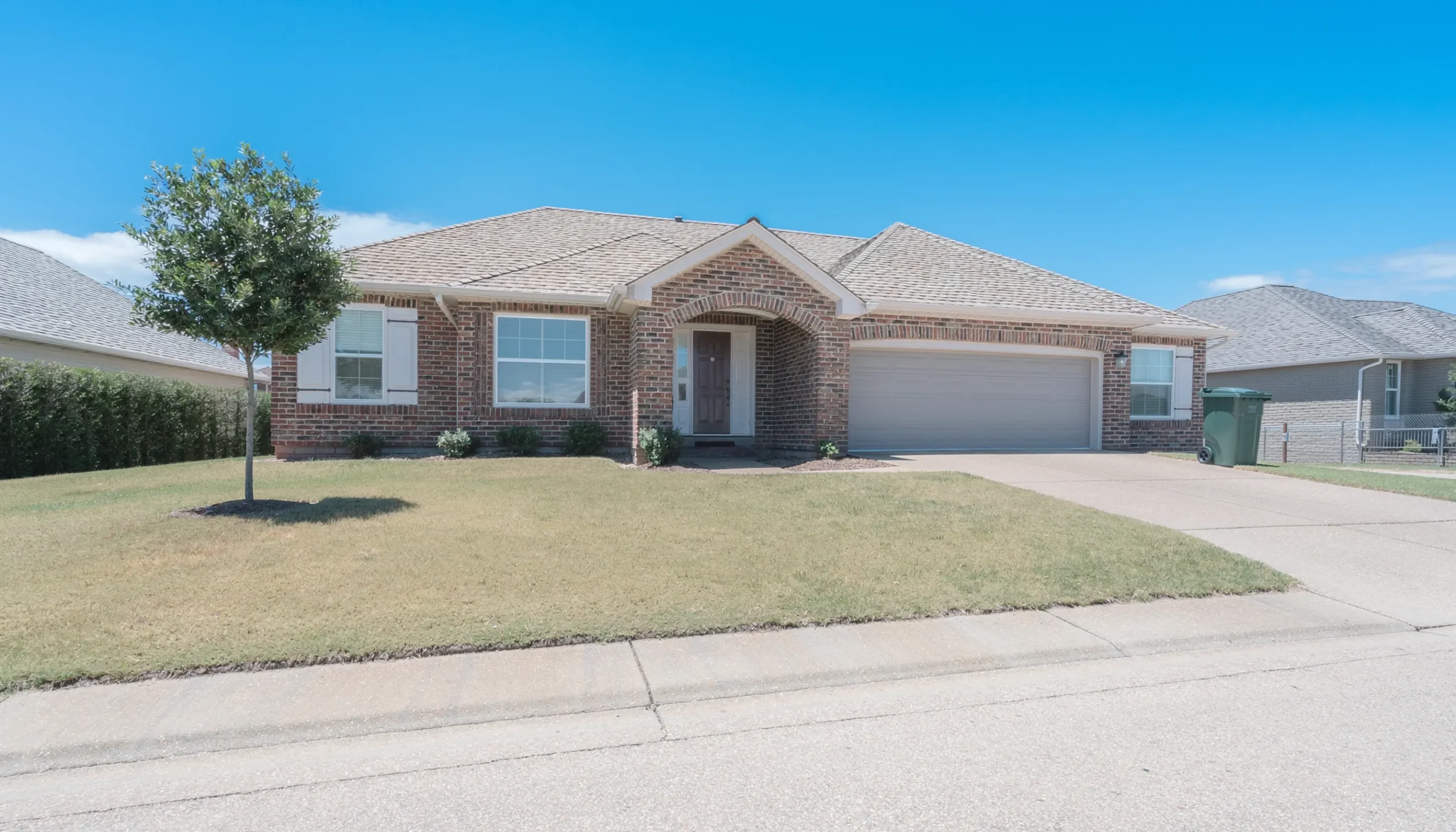
Expirations look different in the first- and second-tier suburbs, the inner rings closer to Dallas. New construction there is limited or confined to small, higher-priced pockets. As a result, existing homes face less direct competition from builders. Homes that expire or sit unsold in these areas usually have fixable problems with condition or price, not a financing disadvantage.
Dunnican sees the most potential in homes that need work.
“There’s a price gap between homes that have been updated and homes that haven’t been updated,” she says. “And it’s a lot more than what it would cost to update a home.”
Her target is a home that has expired or sat on the market and needs cosmetic work. That means paint, flooring, and basic finishes that make buyers feel they can move in right away, not a full renovation.
Not every neighborhood supports the premium, though. Dunnican describes a recent case in which a buyer’s appraisal on an updated home came in $60,000 below the asking price. The surrounding neighborhood didn’t support the value. The strategy requires analysis at the neighborhood level, not a formula applied across an entire ZIP code.
Target Closer-In Suburbs
Dunnican works with cash investors who buy, improve, and resell homes in northeast Dallas. Her approach has three steps. She identifies inner-suburb homes that have expired or spent a long time on the market. She measures the gap between each home’s current condition and move-in-ready condition. Then she checks whether recent sales of similar homes nearby support the price after improvements.
“Your opportunity is in the more first tier, maybe the second tier suburbs,” Dunnican says. “They still have a little bit of new construction, but it’s mostly higher end and it’s smaller pockets.”
Homes for first-time buyers also sell faster than luxury homes, she adds. That matters for investors calculating how long they will hold a property. Homes at or below the median price draw more activity than luxury homes, which sit longer and face more competition from new construction.
For Dallas-area investors, Dunnican’s analysis centers on one factor she says deserves more weight: where builders are active. Where builders offer financing incentives, sellers of existing homes, including investors who buy to resell, face a disadvantage that price cuts alone can’t fix, she says.
About the Expert: Cindy Dunnican is with The Dunnican Team at Coldwell Banker Apex, which has worked the northeast Dallas market since 1998.
This article is intended for informational purposes only and does not constitute legal, financial, or investment advice. The views and opinions expressed herein reflect those of the individuals quoted and do not represent an endorsement of any company, product, or service mentioned. Readers should conduct their own due diligence and consult qualified professionals before making any investment decisions.