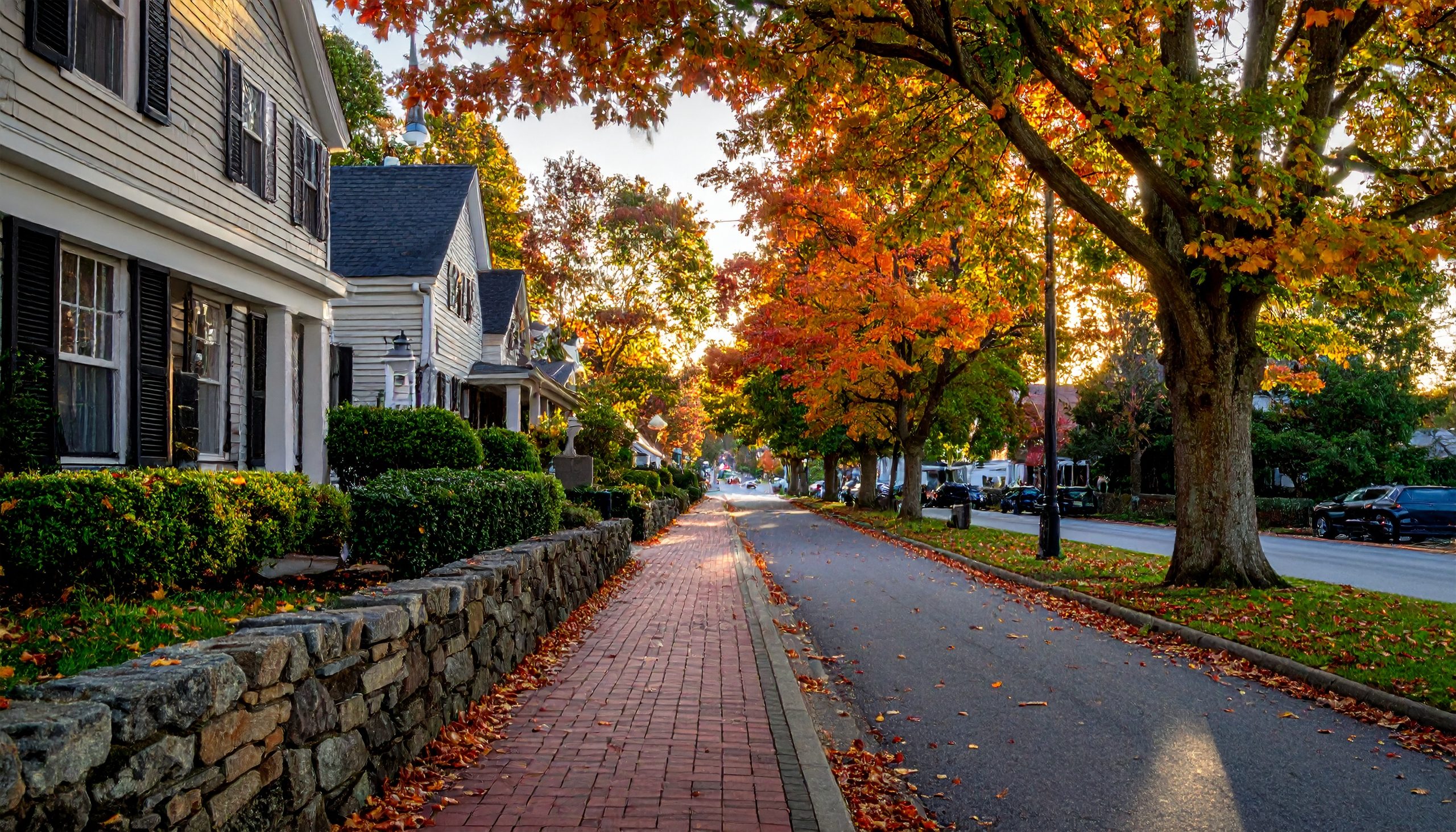
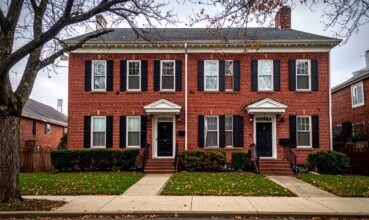
Greenwich, Connecticut, one of Fairfield County’s wealthiest towns, has far fewer homes for sale than it did before the pandemic. Listings dropped sharply as New York City residents rushed to the suburbs during COVID, and they never returned to earlier levels. That shortage now shapes nearly everything about the market, from how buyers shop to why owners stay put, says Joy Metalios, who leads The Metalios Team at Houlihan Lawrence.
Buyers today are less frantic about leaving the city than they were during the pandemic, Metalios says, but they still have to move fast, because a good house rarely stays available for long.
That pressure can leave buyers stuck. Metalios recently advised one who has spent years searching while paying steep rent in the meantime. Had she bought earlier, Metalios told her, the home would likely have gained value, and she would have been building her own equity instead of paying down a landlord’s mortgage. “Let’s get into a house. It doesn’t have to be perfect,” Metalios told her.
Why Sellers Stay Put
Many Greenwich owners, Metalios included, hold mortgages with rates under 3 percent, which gives them little reason to sell. The sellers who do list usually have a life event pushing them, such as a death or a divorce, or own a home in another state and find they rarely use the one in Greenwich.
For owners who want to downsize and stay in town, the math often doesn’t work. A smaller home could cost about the same each month, with the hassle of a move on top. New supply is scarce too. Metalios says Greenwich is fully built out, so new construction generally means tearing down an existing house.
Her team is representing one small alternative nearby: The Cottages at Wire Mill, a gated 55-and-over community of nine new single-family homes in North Stamford. The low-maintenance homes offer a first-floor primary suite option, a layout Metalios says downsizers increasingly want as they plan to age in place. “All of our homes in New England just tend not to have that unless it’s a simple cape,” she says.
A Market With Seasons
Greenwich is a cash-heavy market, Metalios says. Because many buyers purchase without a mortgage, changes in interest rates matter less here than in most of the country.
The local calendar follows two forces: Wall Street bonuses and private school decisions. Spring activity begins after Super Bowl Sunday, around the time Wall Street bonuses are paid and private schools send out their admission and tuition letters. For a family with children in Manhattan private schools, that letter forces a choice: commit to another year of steep tuition in the city, or put that money toward a house in a suburb where public schools are an option. Families who decide to move want to be settled before the next school year begins.
Listing outside that window carries risk. December competes with the holidays, and in August much of the town is away on vacation. “If someone were to list a luxury home in December, well, that’s not really the best time to list,” Metalios says.
Walkable Neighborhoods Draw Demand
Greenwich offers an unusually wide range of options at a single price. The same budget, Metalios says, can buy a downtown condo, a house in a village like Old Greenwich, Riverside or Cos Cob, or a wooded property in backcountry, the town’s rural north. Some buyers want gated “destination homes” built for privacy, while others want streets where kids can bike and walk to school.
Lately, demand is strongest among young and older buyers alike in walkable downtown Greenwich, Old Greenwich and Riverside, which give city transplants some of the convenience they left behind. “I think people really love that fact that you can organically meet people on the street, you are more active, you can walk to the beach,” she says.
Condition Still Sorts Listings
Even with so little for sale, not every home draws competing bids. Renovated, correctly priced homes still get the strongest over-ask offers, Metalios says. Homes that haven’t been updated in 20 years and are priced aspirationally tend to sit longer, because buyers factor in the time and cost of renovating, though she says those homes still sell.
Rather than urging full renovations, her team focuses on affordable updates: bringing in a stager, painting cherry cabinets white, or swapping countertops and hardware. For bigger items such as a worn driveway or an aging roof, they get a quote before listing so buyers know the cost. “Painting is always the cheapest way to update a house,” she says.
Waiting Out the Election
Activity stalled in September and October, which Metalios attributes to buyers waiting to see how the midterm elections would turn out. She says that kind of pause tends to come before any election, because uncertainty makes people hesitant to move forward.
With the election behind them, she is confident buyers will regain their energy. In a town with this little inventory, that renewed demand will again be chasing very few homes.
About the Expert: Joy Metalios leads The Metalios Team at Houlihan Lawrence, which serves Greenwich and the rest of Fairfield County, Connecticut. RealTrends ranks the team as the top large team in Connecticut by sales volume.
This article is based on information provided by the expert source cited above. It is intended for general informational purposes only and does not constitute legal, financial, or real estate advice. Readers should conduct their own research and consult qualified professionals before making any real estate or financial decisions.