Houston’s housing inventory has reached its highest level since 2012. That much supply usually gives buyers more bargaining power and opens doors for investors. But according to Kelvin Louie of KL Integrity Group, many Houston-area sellers bought during the pandemic and paid too much. Values in some areas have since dropped, and these sellers have little room to cut prices further. As a result, rising supply has not produced the investor opportunities that usually follow it.
Louie’s advice is direct: investors should stay on the sidelines until a strong deal appears.
Why Listings Aren’t Deals
Rising inventory usually gives buyers more room to negotiate. Louie says Houston listings are increasing daily as more sellers try to sell. On the surface, these conditions look like an opening for investors, with sellers eager to close and room to negotiate.
But many of the sellers adding to the inventory are not eager in the usual sense. They are stuck. Louie says they rushed to buy during the pandemic, when interest rates were low, often paying $80,000 to $100,000 too much. Some now risk losing their homes. Inventory is high, but Louie sees few deals that work for investors.
“There’s not much opportunity for an investor right now,” Louie says. “Investors need to sideline right now because the market is too high. The best goal is to wait for the best deal and then come in whenever it is.”
Costs Squeezing Investor Returns
Even when a seller is willing to negotiate, investors face steep costs. Louie says high interest rates and high property taxes are behind most deals that fall apart. For investors, those same costs cut into potential returns.
Financing costs are much higher than they were during the pandemic buying surge, when low rates drew many buyers into the market. Louie says values in some areas have since dropped sharply. Many sellers who bought then now owe more than their homes are worth, which leaves little room to lower prices further. With little flexibility on price and high financing and tax costs, the numbers rarely work for investors.
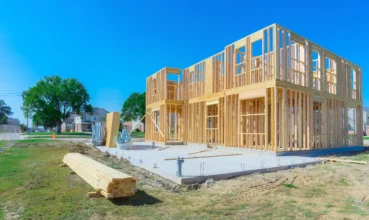
New construction adds more competition. According to Louie, builders offer special financing rates and have more room to adjust prices than resale sellers do. For this reason, new homes consistently sell faster than resale homes, Louie says. An investor looking at a resale property is competing with other investors and also with builders who can offer homebuyers lower overall costs.
Buyers across the market are cautious. Louie says concerns about the broader economy, especially rising food and living costs, are making both buyers and sellers more hesitant than they were a year ago.
Distressed Sellers Can’t Discount
Louie works directly with homeowners in distressed situations. These are people who overpaid during the pandemic and now face hard financial choices. Some want to break even. Others are willing to take a loss to avoid foreclosure. Even for these sellers, the room to negotiate is limited.
These sellers can only give up so much in concessions, such as covering a buyer’s closing costs. Louie notes that new construction is already priced $50,000 to $70,000 below comparable resale listings, even when resale sellers offer concessions. Sellers who overpaid and then watched values in their area fall have a limit on how much they can give back. “There’s no way to recover on some of them because they paid too much back then, and then the market in that whole area tanked,” Louie says.
For investors, that means distressed listings are not producing the discounts they normally would.
What to Watch Next
Louie does not say Houston will stay closed to investors. His advice is to wait for the right deal rather than force one in the current market. Asked what could shift conditions over the next year, he pointed to political news as the main thing to watch.
Until conditions change, the practical test for investors is whether a property works at current interest rates and property tax levels, at a price that can compete with nearby new homes. A rising listing count alone is not a reason to buy.
About the Expert: Kelvin Louie leads KL Integrity Group, a Houston-based real estate team focused on residential, commercial, and creative deal structures.
This article is intended for informational purposes only and does not constitute legal, financial, or investment advice. The views and opinions expressed herein reflect those of the individuals quoted and do not represent an endorsement of any company, product, or service mentioned. Readers should conduct their own due diligence and consult qualified professionals before making any investment decisions.