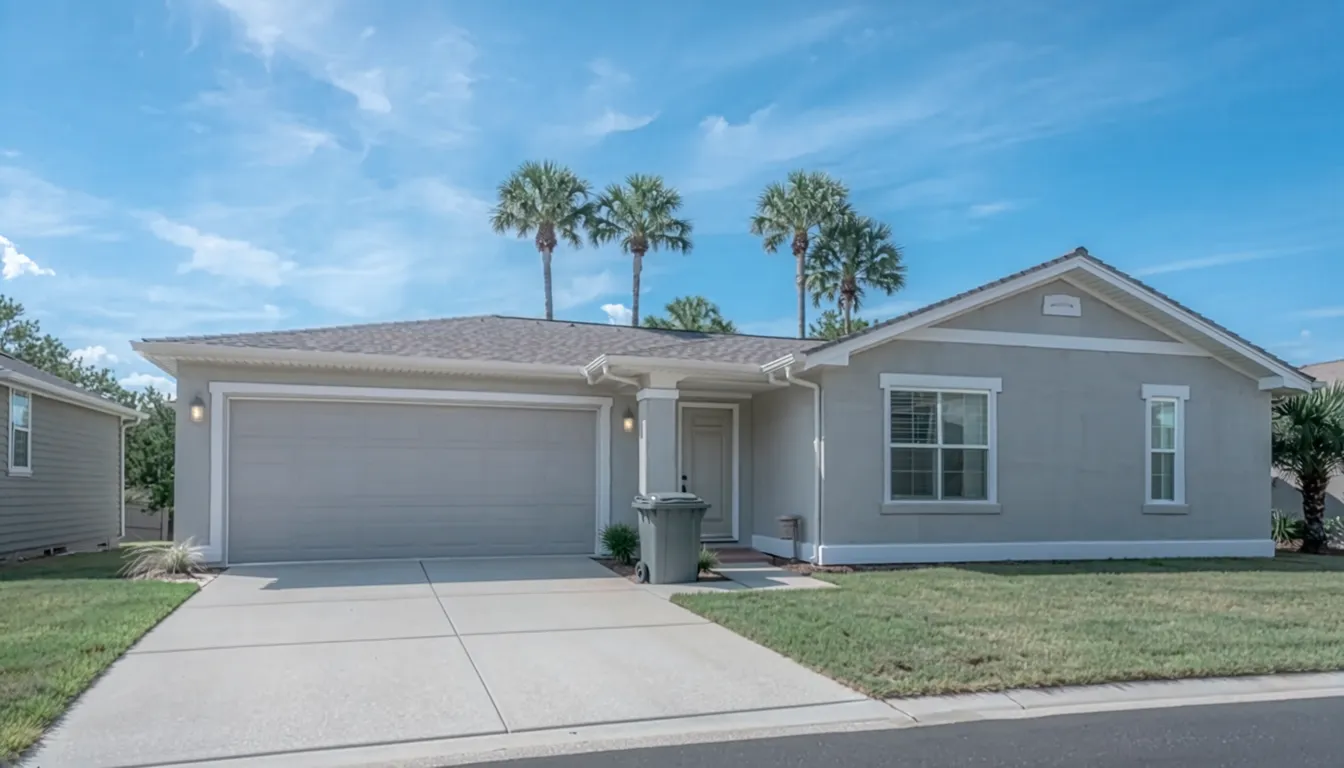
The biggest risk in a fix-and-flip project is not picking the wrong house. It is running out of money halfway through the renovation. The issue is not the down payment. It is everything that comes after it.
Scott Ward, owner of Lakewood Ranch Lending and the parent Ward Company in Bradenton, Florida, has closed more than $1.5 billion in private lending transactions over 28 years. He says undercapitalization is the single most common reason renovation projects fail – and that most first-time flippers do not understand why until they are already stuck.
How Draw Schedules Create a Cash Gap
The problem starts with how renovation loans actually work. The lender does not hand over all the money at once. Instead, the borrower completes a phase of work – the kitchen, for example – then requests a “draw,” a reimbursement for that completed work. Before the lender releases funds, an inspector or verification service has to confirm the work is done.
That lag between spending your own money and getting reimbursed is where projects stall. Ward describes it bluntly: “That’s the stuff they don’t tell you on the reality TV shows.” You pay your contractors, wait for inspection, wait for approval, and only then does money flow back. If you do not have enough cash to bridge that gap, everything stops.
The cash crunch creates a chain reaction. Subcontractors who are not paid on time leave for other jobs. “If you can’t pay them, they’re not going to wait around,” Ward says. Timelines stretch by weeks. Loan payments keep accruing. Carrying costs climb. A project that was supposed to take four months drags into six or seven.
Overspending on Upgrades Thins the Margin Further
The cash problem gets worse when flippers overshoot on finishes. Ward says he regularly sees investors installing high-end appliances and premium flooring in properties where the neighborhood will not support the price premium. Every dollar spent on a finish the buyer will not pay extra for is a dollar subtracted from profit – and from cash reserves.
This connects directly to what Ward calls the most fundamental principle in house flipping: “You make your money on the buy.” If you overpay for the property, or if wholesale fees and commissions eat into your margin before work even begins, the project has almost no room for error. Add an unexpected roof replacement – Ward cites $9,500 as a real-world example – and the entire profit can vanish.
The risk compounds when flippers treat refinancing as a guaranteed backup plan. Ward says he has recently seen multiple borrowers discover too late that they do not qualify for long-term financing. If you cannot sell and you cannot refinance, you are holding a property with a short-term loan ticking.
Bad Partnerships Make It Worse
Ward says a common arrangement pairs one partner who has the credit and capital with another who has the construction skills. The structure makes sense on paper. In practice, the stress of a cash-strapped project turns partners against each other – almost always over money, not design disagreements.
“In the ninth inning is not the time for you guys to be fighting over fifteen hundred dollars on a refrigerator payment,” Ward says. He recommends that any partnership spell out profit splits, decision-making authority, and financial responsibilities before a single wall is opened. The disputes he sees most often center on either what each partner earns during the project or what percentage of the final profit each one takes.
What Lenders Actually Evaluate
Ward says lenders evaluate three things before approving a deal: the exit strategy, the borrower’s experience, and whether there is enough capital to sustain the project through completion. Exit comes first – will the borrower sell or refinance, and is that plan realistic? Experience comes second – not as a dealbreaker, but as a factor that affects leverage and pricing. Capital comes last in the sequence but matters most. As Ward puts it, a borrower can have strong experience and a solid exit plan, but “if they don’t have the capital to keep the project healthy, that’s scarier than” a borrower with no track record at all.
For anyone considering a flip on Florida’s Gulf Coast, the practical lesson is specific: budget not just for the down payment and the renovation, but for the weeks of float between each draw reimbursement, the carrying costs on the loan, and at least one surprise expense you did not see coming.
About the Expert: Scott Ward is owner of The Ward Company and its subsidiaries, including Think Realty and Lakewood Ranch Lending, and consults with private lending debt fund managers. He sits on the education panel for the American Association of Private Lending.
This article is intended for informational purposes only and does not constitute legal, financial, or investment advice. The views and opinions expressed herein reflect those of the individuals quoted and do not represent an endorsement of any company, product, or service mentioned. Readers should conduct their own due diligence and consult qualified professionals before making any investment decisions.