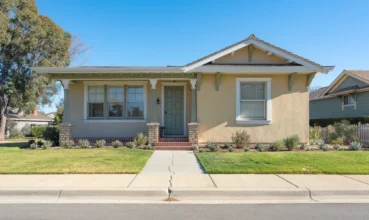
Houston’s fix-and-flip model thrived after the pandemic, but the numbers no longer add up. Investors want to buy distressed properties, meaning homes that need major repairs, and then renovate and resell them. But they are offering prices so far below what sellers will accept that deals rarely close. According to Tilah Spruel, founder of Lux Group TX, this gap between what investors want to pay and what the market will bear has made traditional flips difficult to complete.
“There are a lot of investors who are looking for something that’s a tear-down and fixer-upper,” Spruel says. “But they’re offering really low prices. The market’s already low.”
The core problem is after-repair value, the investor’s estimate of what a renovated property will sell for. When Houston prices were rising, those estimates produced solid returns. They no longer do. Resale prices have softened, and more homes are for sale. That has shrunk the profit margin between three numbers: the purchase price, the renovation cost, and the final sale price.
Why Flips Stall
Investor interest has not disappeared. Spruel says her team gets calls every day from investors looking for distressed properties. What has changed are the market conditions that once made flipping profitable. “It’s very hard to do that right now with this market,” she says. “It’s not where it was a few years ago, when we’re getting a bunch of offers on a property.”
When resale demand was strong, and prices were climbing, investors could renovate with confidence. They expected the finished home to sell quickly at a price worth the risk. Today, Houston homes take longer to sell, and buyers have more options. Both trends have weakened that confidence. Spruel notes that homes are sitting longer than usual even in high-demand neighborhoods such as the Heights, the Galleria area, and Memorial. In one area she tracks, the average days on market rose from 50 to 70 in just a couple of months.
Renovated homes in mid-priced neighborhoods also compete with new construction. Builders are offering rate buydowns, where the builder pays to lower the buyer’s mortgage rate, and are covering closing costs. Spruel cites new homes priced around $200,000 with 4.99% interest rates and all closing costs paid. Individual investors renovating older homes cannot match those incentives.
Building New Instead
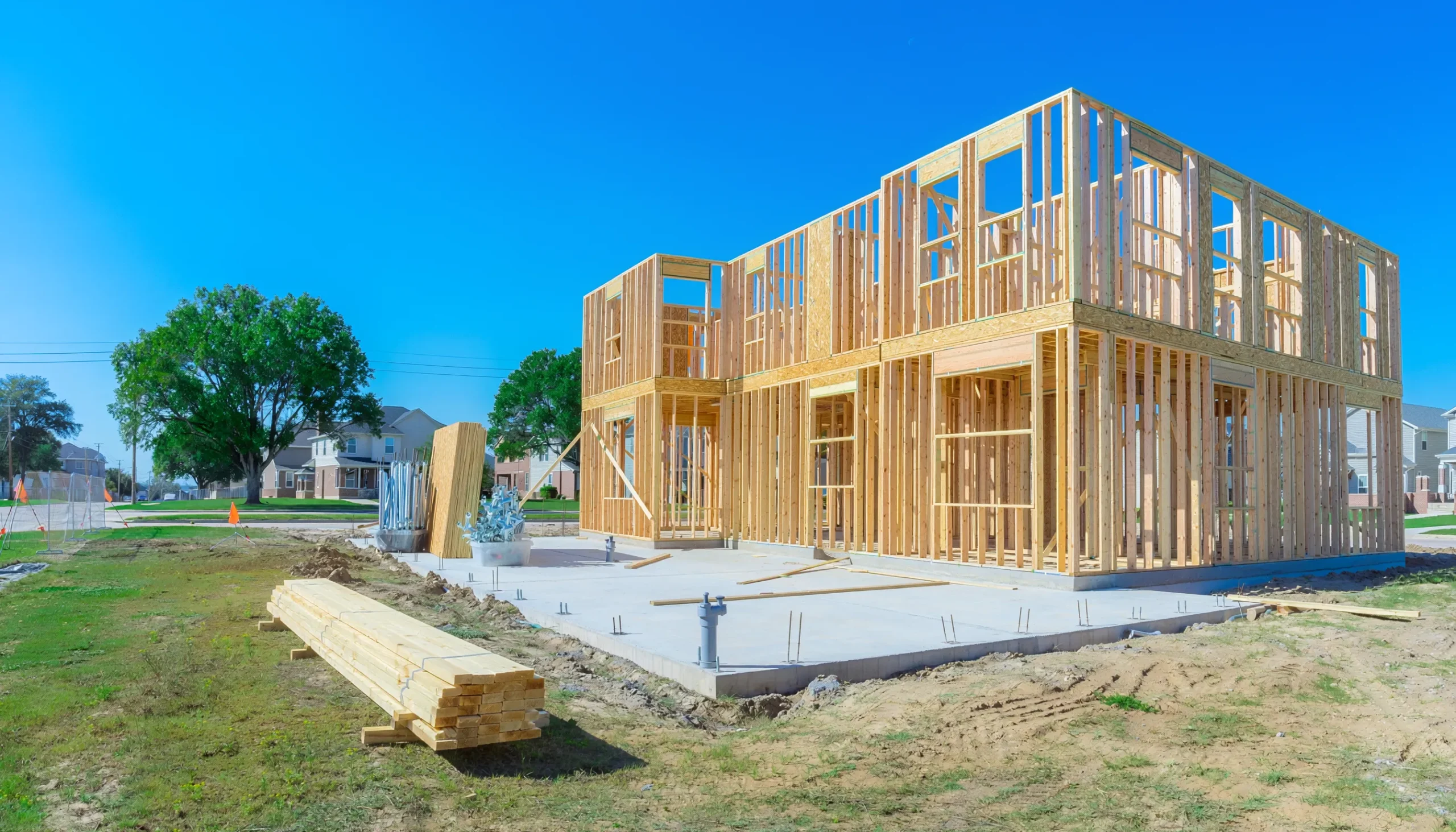
Right now, Spruel’s preferred alternative for investors is buying land and building new homes. “A good opportunity is if you buy some land and you build on it, because we can build at a lower cost and you can sell for a higher amount,” she says.
She sees duplexes and small multifamily buildings as especially attractive. An investor who builds a duplex can live in one unit and rent the other. That rental income helps cover costs while the investor holds the property until resale conditions improve. Spruel adds that buyers respond differently to new construction. They do not have to question renovation work or wonder about the home’s condition.
Spruel also sees foreclosures as an emerging opportunity, though she expects the volume to come later rather than now. “There’s going to be a lot of that,” she says. She suggests that investors who prepare now will be better positioned when more distressed homes come to market.
Why Deals Fail
Beyond market conditions, Spruel says many investor deals collapse because the numbers were wrong from the start. “There are a lot of amateur investors that don’t have a lot of expertise and they need somebody that’s going to be able to run the numbers right,” she says. In her experience, deals fail when investors miss key factors before they commit. Common problems include unexpected costs and resale prices that come in lower than projected.
Spruel’s mortgage background also shapes how she structures deals. She says she can evaluate financing options that most agents would not consider. These include seller financing, where the seller acts as the lender, and wraparound loans, where the buyer makes payments to the seller, who keeps paying the original mortgage. These structures can make a deal work when conventional loan terms are unfavorable. She also works with credit repair specialists and a network of lenders she has vetted during her years in the mortgage industry. That network lets her match investors and buyers with financing that fits their situation.
For investors weighing Houston opportunities, the current market favors those who can control costs from the ground up. It is less favorable for those counting on renovation profits that resale prices may not support. Spruel says the key question for any investor is how long they plan to hold the property. She adds that investors should consider whether their strategy fits a market where buyers have more choices and less urgency than they did a few years ago.
About the Expert: Tilah Spruel leads Lux Group TX in the Houston area, with eight years in the local market and two decades in real estate and mortgage lending.
This article is intended for informational purposes only and does not constitute legal, financial, or investment advice. The views and opinions expressed herein reflect those of the individuals quoted and do not represent an endorsement of any company, product, or service mentioned. Readers should conduct their own due diligence and consult qualified professionals before making any investment decisions.