Florida’s insurance costs have become one of the loudest reasons people cite for avoiding the state’s housing market. The concern is real – premiums have climbed sharply, and flood zone designations have made some properties genuinely difficult to insure at any reasonable price. But builders and contractors working in the market point to a distinction most buyers overlook: the age and elevation of a home matter as much as its location when it comes to what you actually pay.
Jon DeBellevue, founder and qualifying contractor at Glades & Bay Construction LLC and a licensed Realtor with LPT Realty, works on new construction across Tampa Bay and Sarasota. He pushes back on the idea that building or buying in a Florida flood zone is automatically an insurance nightmare.
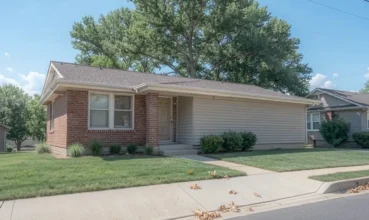
The buyers taking the hardest hit on insurance, he explains, are those in older, single-story homes that sit at or near ground level in designated flood zones. Those properties carry the full weight of flood risk without any of the structural features that modern building codes require. For that group, the insurance burden is real and ongoing.
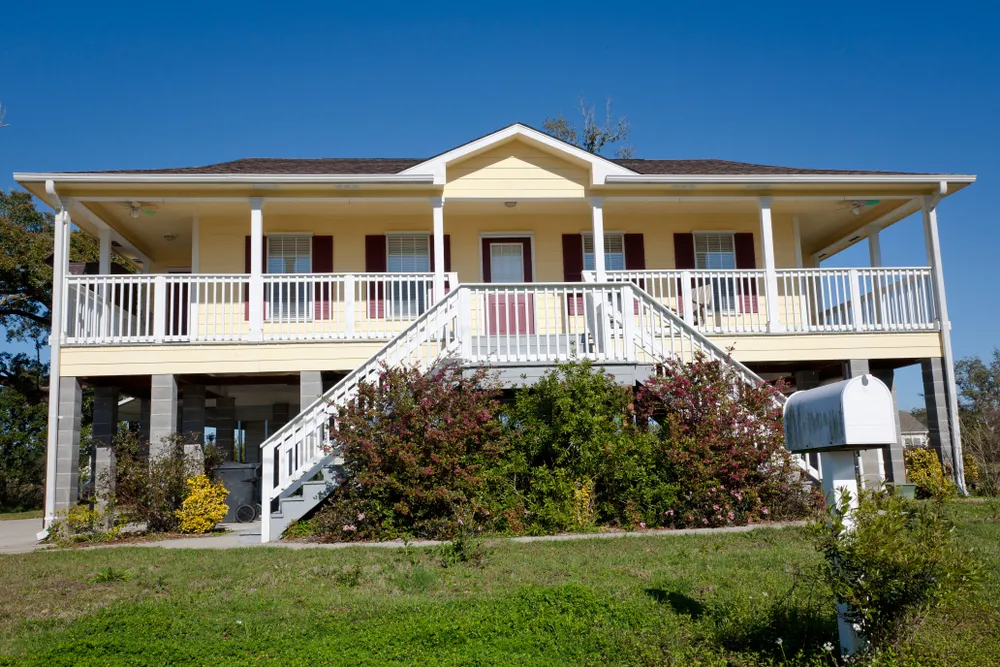
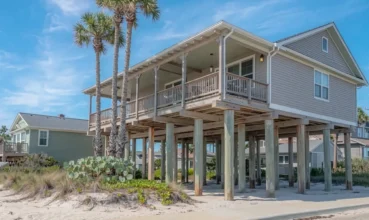
New construction in the same flood zones tells a different story. Homes built to current Florida codes in flood-prone areas must be elevated above base flood elevation, which directly reduces the statistical risk of flood damage. Insurance pricing reflects that reduction. “The people affected most are the people who are in older homes in flood zones,” DeBellevue said. “The new homes being built in flood zones receive major discounts on insurance.”
The True Cost of Ownership
This distinction matters most for buyers comparing a new build in a coastal area against an older home at a lower price point in the same zone. The sticker price on the older home may look attractive. But if the annual insurance cost on that property runs two or three times higher than on a newer elevated home nearby, the true cost of ownership shifts considerably. Over a five-year hold, the gap in insurance premiums can easily run into tens of thousands of dollars, enough to close or reverse the apparent price advantage of the older property.
It also matters for buyers who have been steering away from coastal areas entirely because of insurance headlines. Coverage of Florida’s insurance market tends to focus on the worst-case scenarios, properties that have become nearly uninsurable, or premiums that have doubled or tripled. Those cases are real. But they are concentrated in older housing stock, particularly single-story homes in low-lying flood zones built before current elevation requirements took effect.
Elevated Construction Costs More
There is a meaningful downside to consider, though. Elevated construction costs more to build. The structural requirements that reduce insurance premiums – pilings, stem walls, elevated first floors – add to the upfront price of a new home. For buyers on a tight budget, the insurance savings over time may not offset the higher purchase price in the short term. The math depends on how long you plan to hold the property and what financing costs look like over that period.
DeBellevue also noted that lot selection in coastal areas requires careful evaluation of site conditions before any construction decision. Soil quality, foundation requirements, and proximity to water all affect both build cost and long-term risk. A lot that looks like a bargain can carry hidden costs that surface only after due diligence, and in some cases, those costs make the project unworkable regardless of insurance savings.
Ask the Right Questions
For buyers currently weighing a coastal purchase in the Tampa Bay or Sarasota area, the relevant question is not simply whether a property is in a flood zone. It is when the home was built, how high it sits relative to base flood elevation, and what the current insurance quote actually reflects. Florida’s Division of Emergency Management publishes flood zone maps, and most insurance agents can provide an elevation certificate review before a purchase closes. In some cases, buyers of older homes have successfully reduced premiums by commissioning an elevation certificate that documents the home’s actual height above flood level, a step that sometimes reveals the property is less exposed than its zone designation suggests.
The broader takeaway is that flood zone designations alone are poor predictors of insurance cost. Two homes on the same street, in the same zone, can carry dramatically different premiums based on when they were built and how they were constructed. Buyers who understand this distinction can make more informed decisions about where to buy and what to build, rather than ruling out entire areas based on a map color alone.
About the Expert: Jon DeBellevue is the founder and qualifying contractor at Glades & Bay Construction and a licensed Realtor with LPT Realty, serving the Tampa and Sarasota markets with a focus on custom home construction and real estate investment.
This article is intended for informational purposes only and does not constitute legal, financial, or investment advice. The views and opinions expressed herein reflect those of the individuals quoted and do not represent an endorsement of any company, product, or service mentioned. Readers should conduct their own due diligence and consult qualified professionals before making any investment decisions.