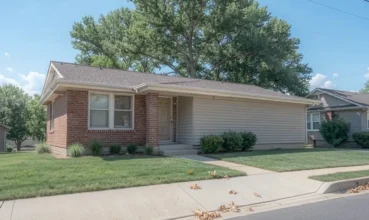
At first glance, Charleston might seem like a friendlier market for first-time buyers than it was a year ago. Mortgage rates have stabilized, inventory is up slightly from pandemic lows, and sellers are more open to negotiation.
Yet the reality is quite different from appearances. Entry-level homes are lingering, while luxury properties — often priced above $1 million — are attracting multiple offers and selling quickly. Buyers on a budget face more competition from investors and fewer move-in-ready options than those with cash in hand.
This gap is not only about financial resources. It also comes down to how different buyers approach risk and decision-making in today’s market.
Luxury Sales Surge
Charleston’s high-end segment is seeing a notable surge. In 2024, sales of luxury homes jumped 28 percent, even as mortgage rates hovered near 7 percent. Meanwhile, homes priced under $500,000 are taking longer to sell and attracting fewer showings. Lisa Patterson, a realtor with Daniel Ravenel Sotheby’s International Realty, explains, “If a house is priced correctly and renovated properly, it will sell.” But she notes that entry-level buyers are more hesitant, often held back by concerns over repairs, flood zones, and ongoing maintenance costs.
Luxury buyers, in contrast, are largely unaffected by interest rates. Nearly all pay cash, removing the need for financing and allowing them to move quickly. Their decisions focus on lifestyle and long-term value rather than short-term market fluctuations.
Cash Buyers Win
Cash buyers have a clear advantage in Charleston’s current market. Nearly all of Patterson’s high-end clients skip the financing process entirely, bypassing delays and avoiding appraisal contingencies. “Luxury buyers think long-term,” she says. “They know Charleston real estate holds its value, so they pull the trigger even when the economy feels uncertain.”
First-time buyers face a much different process. They must secure mortgage approvals, navigate down payment requirements, and meet strict lending criteria. By the time they are pre-approved and ready to tour a property, a cash buyer has often already submitted an offer. Even when sellers accept financed offers, deals may fall apart during inspections or appraisals — especially with older homes that need repairs.
Historic Homes, Extra Hurdles
Charleston’s housing stock is dominated by historic properties, many of which require updates. First-time buyers are often drawn to the character — original hardwood floors, exposed brick, piazzas — but can quickly be overwhelmed when inspections reveal outdated electrical systems, foundation issues, or the need for a new roof. Patterson explains that first-time buyers looking at historic homes may not know what to expect. Sometimes, their agents lack experience with these properties as well.
Cash buyers, including investors and second-home purchasers, are typically more comfortable with needed improvements. They plan for renovations from the start and see repairs as part of the investment, not a reason to walk away. First-time buyers, who may already be stretching to cover the purchase price, often cannot absorb unexpected costs uncovered during inspection.
Flood Zones
Charleston’s coastal setting means flood insurance is a fact of life, but costs can vary dramatically. Patterson, who lives in a $3 million downtown home, pays $2,700 per year for flood insurance in an AE zone — a FEMA-designated high-risk flood area where lenders typically require flood insurance and base flood elevations have been established. Yet out-of-state buyers using national insurers may receive quotes four times higher.
The difference often comes down to working with local experts. “One property can flood while the house next door stays dry,” Patterson notes. First-time buyers using online estimates or inexperienced agents frequently overestimate insurance costs and abandon deals that could have been manageable with better information.
How First-Time Buyers Can Compete
For buyers shopping on a budget in Charleston, preparation and the right team are critical:
- Find an agent with experience in historic properties. You need someone who can distinguish between normal age-related issues and serious problems.
- Use local lenders and insurers. National companies often misjudge Charleston’s flood risks and repair timelines. Local professionals understand the nuances of Charleston neighborhoods and can help structure deals that close on time.
- Budget for repairs. If you’re buying a historic home, expect to update systems such as electrical, plumbing, and HVAC. Factor these costs into your offer so you’re not caught off-guard during inspections.
- Don’t wait for prices to drop. Charleston’s market has remained strong for years. Patterson warns that buyers who wait for a downturn often find themselves priced out later.
- Explore neighborhoods outside downtown. While areas like South of Broad and the French Quarter are expensive, communities such as James Island, West Ashley, and Park Circle offer more attainable options with good access to downtown and the beaches.
The Takeaway
Charleston’s real estate market is unlikely to slow down anytime soon. Population growth, a thriving tourism economy, and the city’s enduring appeal as a place to live and retire all point to continued demand — and continued pressure on prices. First-time buyers who enter the market today, even if the process is difficult, will likely be better positioned than those who wait another two or three years hoping for conditions to improve. Buyers should invest time now in finding the right agent, securing accurate insurance quotes, and building realistic renovation budgets.
About the Expert: Lisa Patterson is a Realtor and Historic Home Specialist with Daniel Ravenel Sotheby’s International Realty in Charleston, South Carolina. With over 40 years of experience and 38 personal historic restorations, she specializes in guiding buyers through the complexities of Charleston’s historic and waterfront properties.
This article is based on information provided by the expert source cited above. It is intended for general informational purposes only and does not constitute legal, financial, or real estate advice. Readers should conduct their own research and consult qualified professionals before making any real estate or financial decisions.