The Department of Veterans Affairs has narrowed the list of property conditions that can hold up a VA-backed purchase. Under an update to the VA’s Lender’s Handbook, appraisals ordered from May 1, 2026, no longer require repairs for peeling paint on homes built in 1978 or later, or for defects in detached sheds and garages. The core test is unchanged: a home must still be safe, sanitary, and structurally sound before the VA will guarantee the loan.
Those remaining requirements are what many sellers and listing agents still associate with VA offers. They are also what can keep a buyer from purchasing a home with hidden structural damage. According to Anna Myers, an Air Force veteran who works with VA buyers across western Pennsylvania, how they play out depends largely on how well the people handling the transaction understand them.
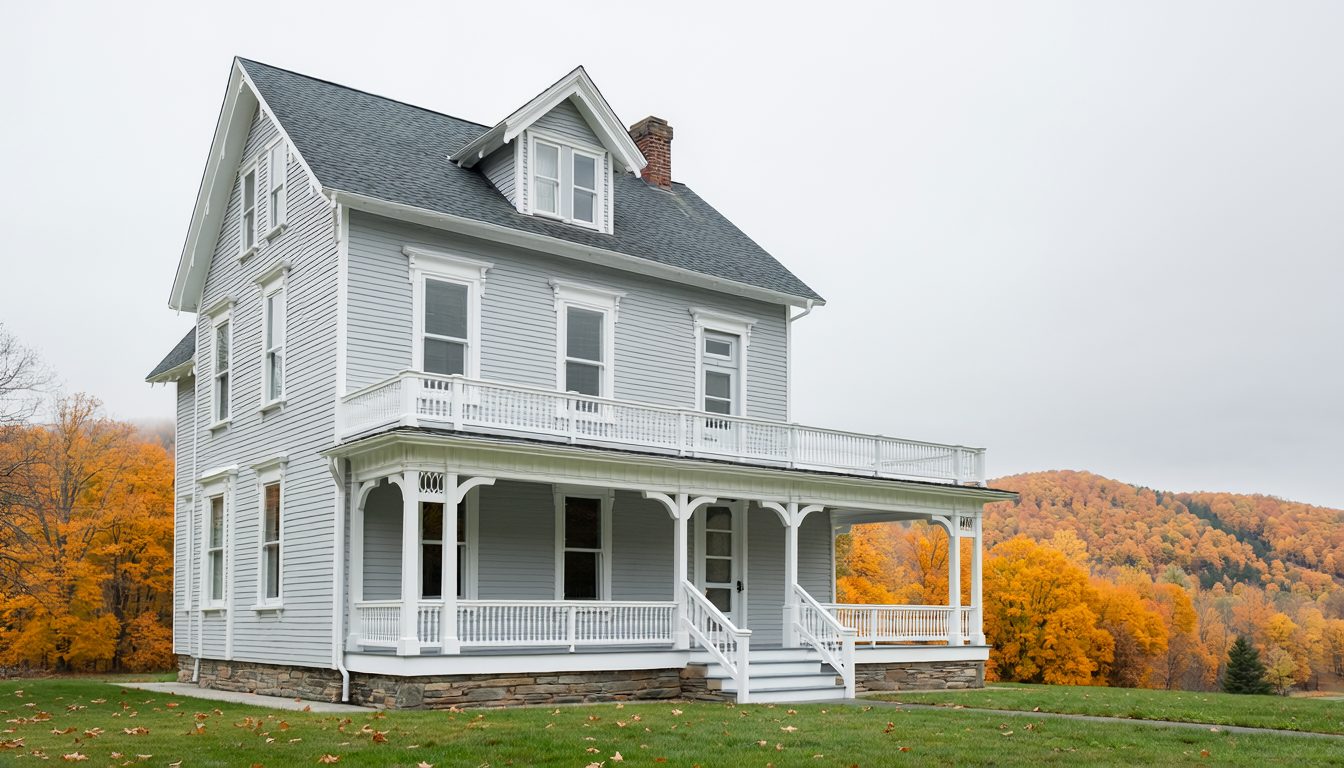
The VA appraisal checks a home against the agency’s own minimum property requirements, which are more prescriptive than conventional appraisal standards. An appraiser can flag peeling paint on older homes, unstable railings, or foundation concerns and require repairs before the loan closes.
“A VA loan is all about the agent that you hire to represent you and how knowledgeable they are about the intricacies of that,” Myers says. In her market, she has not seen sellers become less receptive to VA offers. “You still get a lot of VA offers accepted,” she says.
Where VA Deals Actually Stall
The most common friction point in Franklin-area VA deals is not the appraised value, according to Myers. Values typically hold. The issue is repair requests, which range from scraping and repainting a porch to a foundation inspection followed by thousands of dollars in work.
“They are definitely more strict, but the entire purpose of that is to protect the veteran,” she says.
Most of those requests are routine. Myers says the repairs she typically sees involve railings, paint, and similar fixes. “It always scares people more than necessary, but it’s not an extreme circumstance,” she says. Of appraisal repair issues overall, she adds, “nine times out of ten, they’re solvable.”
A Repair Bill Avoided
Myers has seen the protection work from the buyer’s side. Using her own VA loan, she was under contract on a property when the appraisal required a foundation inspection. The inspection found a major repair, estimated at $30,000, and she terminated the contract. With conventional financing, she says, that inspection likely would not have happened.
“That appraisal process at one point in my life saved me $30,000,” she says. She describes it as an unusually costly case; her recent VA transactions have had few issues.
Learning the Process
Government-backed loans carry requirements and timelines that differ from conventional financing, and no two VA loans are the same, Myers notes. The repair conditions that come with them are outside the veteran’s control, which is why she sees resolving them as part of an agent’s role. “Your expertise is supposed to be what fixes their problems,” she says.
The learning curve, in her view, is manageable. “Once you get it down, it’s pretty easy to understand VA loans,” Myers says.
What Veteran Buyers Look For in Franklin
Much military relocation coverage focuses on large base towns. In northwestern Pennsylvania, many of the veteran and military buyers Myers works with are Guard members and reservists, and she says their priorities look much like any other homebuyer’s: outside of drill weekends, their purchases are driven by lifestyle.
In Franklin, that lifestyle often centers on the outdoors. Myers points to hunting, fishing, hiking and biking as a consistent draw, particularly in the fall. “A lot of your military people like to spend time outside,” she says, noting that the area has a sizable military population.
Affordability adds to the appeal. Myers describes Franklin as a place to buy into small-town life “without a huge financial barrier to entry.”
About the Expert: Anna Myers is an Air Force veteran and real estate agent covering residential and commercial transactions from Pittsburgh to Cleveland, including Franklin, Pennsylvania.
This article is based on information provided by the expert source cited above. It is intended for general informational purposes only and does not constitute legal, financial, or real estate advice. Readers should conduct their own research and consult qualified professionals before making any real estate or financial decisions.