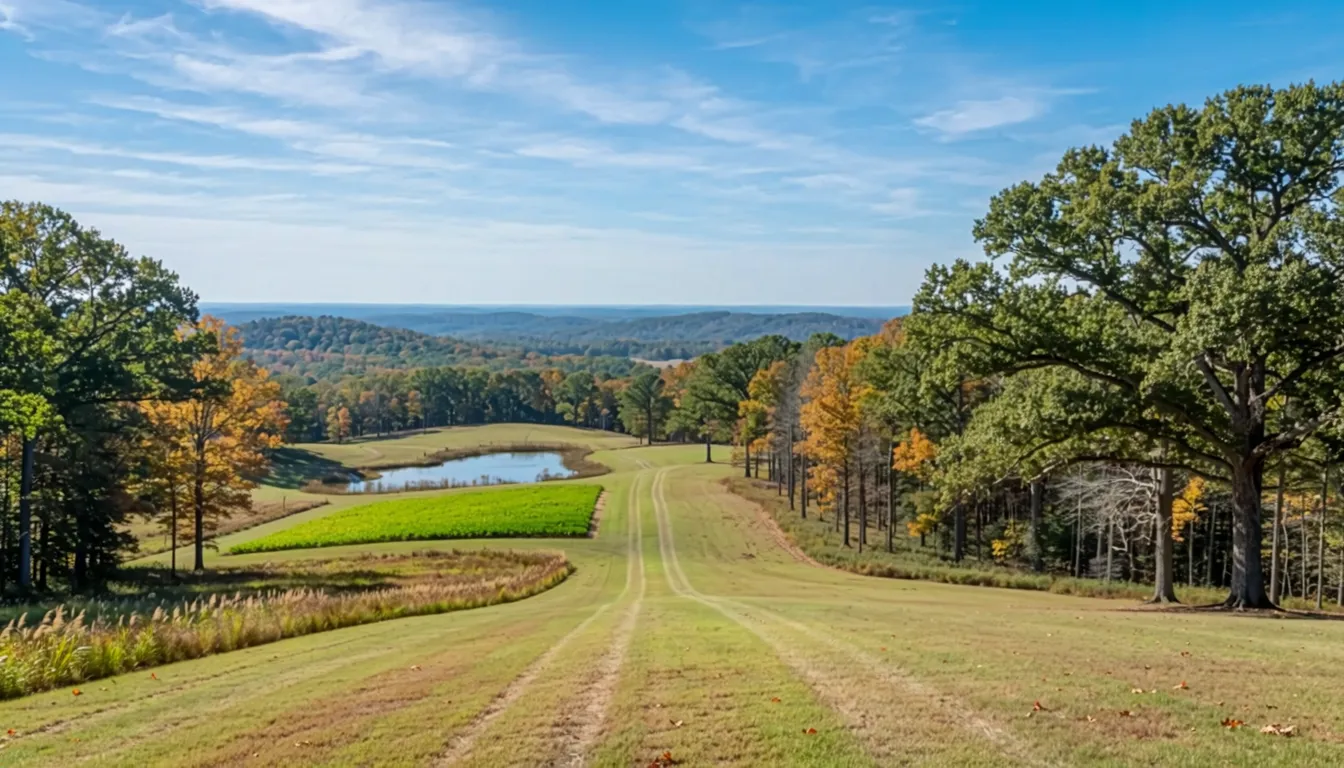
Recreational land in western Wisconsin now splits into two markets: properties with established food plots, trail systems, and documented wildlife activity sell within weeks, while raw, unimproved parcels with comparable acreage and location linger for months. According to Mike Law, owner of Coulee Land Company, this gap is widening as buyers increasingly refuse to pay full price for land that requires years of habitat work before it produces quality hunting.
Buyers Are Paying for Finished Work
Law puts it directly: today’s recreational land buyers want to show up and hunt, not spend years building a property into shape. “Buyers these days are becoming lazier, to be honest,” Law says. “They don’t want to do the work and they would rather pay the money to have the work already done.”
The buyers entering western Wisconsin’s recreational land market are often professionals from urban areas with disposable income but limited time. They are not looking for a project. They want a functioning hunting property with established food sources, navigable trails, and documented wildlife activity. When a property delivers that, it competes in a different category than raw land.
A property that requires a buyer to invest two or three years of habitat work before it produces quality hunting is being discounted accordingly, regardless of what the seller believes the underlying land is worth.
The 315-Acre Test Case
Law describes a 315-acre listing where the seller had an active timber harvest underway when Law arrived for the listing appointment. Law told the seller to stop the cut. He then repaired logging roads, installed food plots, and created water holes before the property went to market.
“We put in trails, water holes, food plots, got the property doctored up and ready for market and we had that one under contract within two weeks and that was a two million dollar listing,” Law says.
Two weeks on a $2 million rural property reflects what a prepared listing can accomplish when it meets buyers who have already decided they will not do the work themselves. Law says most agents competing in his market do not take this approach. The standard practice is to list the property as-is and let the buyer price in the improvements. Law’s position is that this costs sellers both time and money.
Documentation as a Closing Tool
Beyond physical improvements, Law argues that documented property history has become a meaningful factor in buyer confidence. Trail camera records showing consistent deer activity, logs of successful harvests, and records of habitat improvements all reduce the uncertainty a buyer faces when committing to a large rural purchase.
“If they’ve done land improvements, if they’ve done habitat work, if they’ve had a really good successful hunting history, trail camera history, things like that, that’ll really make the buyer more secure, feel much better about writing the check because they know what they’re getting into,” Law says.
Recreational land purchases are partly emotional decisions. A buyer paying several hundred thousand dollars or more for a hunting property is making a bet on future experiences. Documentation converts that bet into something closer to a verified track record, which reduces hesitation and shortens the time between showing and offer.
For sellers who lack that history, Law says even a short period of intentional habitat management before listing – combined with trail camera deployment – can begin to build a record that supports the asking price.
Why Most Agents Miss This
Law’s willingness to personally perform pre-sale habitat work is unusual in rural land brokerage. He spent roughly 20 years producing hunting and fishing television content, working alongside professionals across a wide range of properties and terrain types. That background gives him a working understanding of what makes one parcel more productive than a neighboring one – knowledge that most residential agents crossing into land sales do not carry.
“Not every property out there is created the same,” Law says. He points to timber value as one example: it is one of the strongest factors holding a property’s long-term worth, yet many agents price parcels strictly on acreage and comparable sales without assessing what is actually growing on the land. The second factor he evaluates is agricultural rent – what the tillable ground yields, what the rental contracts look like, and how long they run.
Law says most agents listing rural land default to a per-acre comparison without examining the property itself. Buyers, meanwhile, arrive with more information than ever. “Buyers now are more savvy than they’ve ever been,” Law says. “They know what’s sold down the road, they know what the timber looked like.” When a listing’s price does not reflect its actual condition, those buyers walk.
At Coulee Land Company, the pre-listing process for hunting properties now routinely includes a habitat assessment, recommendations for improvements, and in some cases direct involvement in executing those improvements before the property is marketed. Law frames this as a core part of getting the listing priced and positioned correctly – not an optional add-on. In a market where days on market and final sale price are increasingly shaped before the listing goes live, the work done before a property hits the market determines whether it sells in weeks or sits for months.
About the Expert: Mike Law is owner of Coulee Land Company, a western Wisconsin brokerage specializing in hunting land, farmland, recreational parcels, and country homes across the Mississippi River corridor counties.
This article is intended for informational purposes only and does not constitute legal, financial, or investment advice. The views and opinions expressed herein reflect those of the individuals quoted and do not represent an endorsement of any company, product, or service mentioned. Readers should conduct their own due diligence and consult qualified professionals before making any investment decisions.