Most home-search platforms filter by round numbers, such as $200,000, $250,000, and $300,000. A home listed at $249,900 shows up for buyers searching up to $250,000. It disappears for buyers searching from $250,000 and up. On paper, the seller saves the buyer $100. In practice, the seller loses an entire bracket of potential offers. In Philadelphia’s market below $500,000, buyer pools cluster around these thresholds. That quirk can affect whether a seller receives one offer or several.
Hernan Alvarado is a Realtor with Realty ONE Group Focus who works across Philadelphia and its surrounding counties. He prices listings to reach as many distinct buyer groups as possible. Sometimes that means listing at a round number or just above it, rather than just below.
Search Filters Hide Listings
The problem lies in how search filters work. Alvarado says he does not understand agents who “price things that look like you’re selling an automobile.” As he puts it, “for $400, you’re missing a complete other bracket potentially.” A home listed at $249,600 never reaches the buyer who searches from $250,000 and up, even though that buyer would have seen it at $250,000.
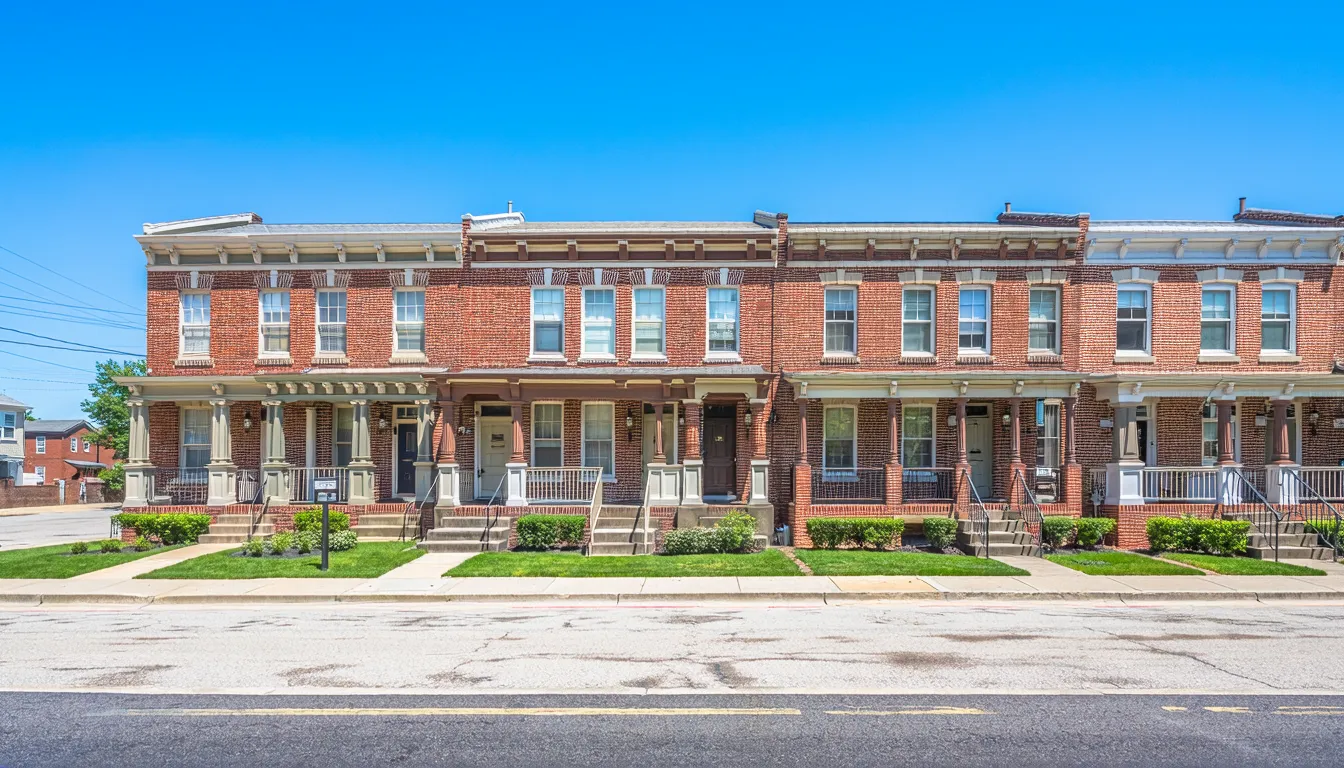
Below $500,000, Alvarado says, “getting multiple different buyer pools, getting three of them is very helpful” in generating competing offers—the math changes once a home crosses roughly $700,000. According to Alvarado, buyers at that level typically have $75,000 to $100,000 of flexibility in their budgets, so bracket boundaries matter less. For a row home in Northeast Philadelphia or a single-family home in Bucks County priced in the low-to-mid hundreds of thousands, every additional buyer pool can shift the negotiation.
The 10-Day Launch Plan
Alvarado pairs this pricing approach with what he calls his 10-day strategy. The launch starts with a coming-soon teaser. It then moves to a timed go-live with a concentrated advertising push, followed by back-to-back open houses. The goal, he says, is to “make it the hottest property on the market at that moment to attract the most buyers so we can potentially close above list.”
He reports a 98.2 percent list-to-close price ratio across his transactions, meaning his homes sell, on average, at 98.2 percent of list price. One listing priced at $200,000 went under contract within 24 hours at $207,000 and closed at $203,000. Another, listed at $375,000, went under contract in five days at full asking price with no repair requests.
These results depend on accurate pricing from the start. Alvarado says properties stall when a seller insists on a price based on personal attachment rather than comparable sales. He attributes the slow pace of some of his current listings to sellers whose sense of value does not match what buyers see.
Condition Must Match Price
Pricing to capture multiple buyer pools works only if the home’s condition supports the price. Alvarado says the most common reason listings sit is that “the pricing does not match the condition.” When he reviews comparable sales with sellers, he sorts them into low-, middle-, and high-price tiers. He then compares the condition of homes at each level. A home priced at the high end that needs work loses to move-in-ready homes at the same price. “If it’s at the high end, then people are looking for something that’s plug-and-play, ready to go, no issues, no concerns whatsoever,” he says.
He also uses a role-reversal exercise with reluctant sellers. Suppose a property has sat on the market for three months at $350,000. He asks the seller to imagine being the buyer. Would they offer $350,000, or would they come in at $320,000 or $325,000? Alvarado says the answer is always the lower offer. By overpricing, the seller invites exactly that kind of lowball offer.
City and Suburban Trends
Recent sales figures show a split between the city and its suburbs. According to Alvarado, closed sales in the Philadelphia metro area dropped roughly 3 percent in the most recent reporting period. In suburban Bucks County, closed sales rose about 2 to 2.25 percent. Alvarado has done business in the Bucks County communities of Southampton and Bensalem. He attributes the split to different buyer profiles. Suburban buyers, he says, tend to be less financially constrained and less dependent on city grants or other assistance programs to close.
In Northeast Philadelphia, Alvarado notes that ZIP codes such as 19114, 19154, and 19116 have strong demand but low inventory. In those neighborhoods, pricing into the right search bracket can help draw multiple offers quickly. Pricing just under a round number, the “automobile” approach Alvarado warns against, can cut off an entire tier of buyers in a market where every additional buyer counts.
About the Expert: Hernan Alvarado is a Realtor with Realty ONE Group Focus, working both Philadelphia’s urban core and its surrounding counties, including Bucks County.
This article is intended for informational purposes only and does not constitute legal, financial, or investment advice. The views and opinions expressed herein reflect those of the individuals quoted and do not represent an endorsement of any company, product, or service mentioned. Readers should conduct their own due diligence and consult qualified professionals before making any investment decisions.