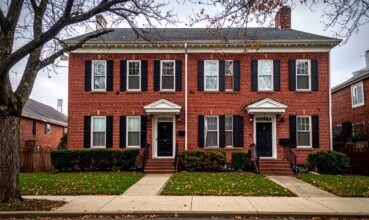
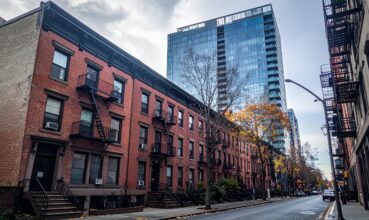
The families moving from Boston, Cambridge, and Brookline into the metro west suburbs still want what the suburbs have always promised: strong schools, more space, and a quieter pace. What they no longer want to give up are the restaurants, shops, and train access they had in the city. According to Lisa Bell, founder of Bell Property Partners with Compass and a 22-year veteran of the market, that expectation now shapes which towns these buyers consider, which neighborhoods they target, and where developers choose to build.
City Habits, Suburban Address
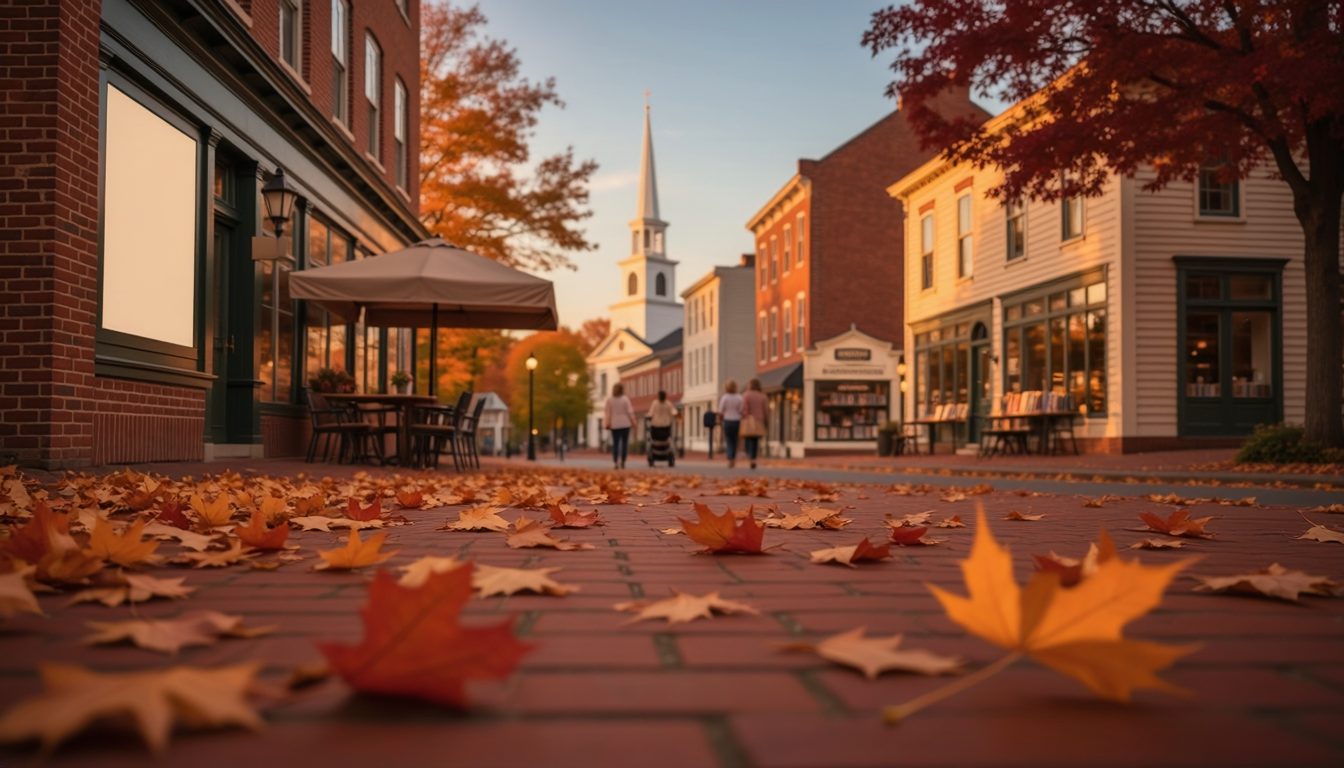
Bell describes a typical buyer as a young family that will not compromise on schools but has grown used to urban convenience. They want a center of town with restaurants and shopping, a train into the city, and a pleasant place to walk on the weekend. “They want to replicate that while still being in a suburban environment,” she says.
That preference turns an older pattern on its head. Downtown areas in these towns were once known for smaller, more modest homes, while the estates sat in outlying neighborhoods. Now, Bell says, buyers are moving back toward the concentration of shops, restaurants, and train stops. “We’re seeing sort of in-town price points really climbing, almost outpacing some of the other growth,” she says.
Wellesley and Needham are built for this buyer. Each has an active downtown, multiple commuter rail stops, and a nationally regarded school system, and both post median sale prices above $2 million for single-family homes. Bell says these towns draw buyers straight from the city because they offer the full package: a quick commute into downtown Boston and a vibrant community at the center of town.
A Town Without a Center
Dover shows what this shift means for a town that offers the opposite. With fewer than 6,000 residents, it has one stoplight, no train station, and little retail beyond a gas station, a deli, and a convenience store. Residents split their errands among neighboring towns such as Medfield, Wellesley, and Needham. Its appeal – predominantly one-acre zoning, an equestrian culture, and an extensive trail system – is real, but it runs against what most relocating families say they want.
“You have to know Dover to really appreciate what makes it so special,” Bell says. “And you have to be willing to look past the things it doesn’t have.” Buyers who choose Dover, she says, are prioritizing something other than the typical bundle of criteria.
The same preference guides developers. Building in Wellesley, where demand is predictable, is a more straightforward proposition than building in Dover, where some new construction sits along quiet country roads. “If you live there, you appreciate how quiet it is and how the whole town feels like a neighborhood,” Bell says. Buyers arriving from the city may see the same road differently.
Turnkey Condition Matters Most
These same buyers share a second priority across all three towns: homes that are move-in ready. Higher borrowing costs have consumed a larger share of buyers’ cash just to close, leaving little for renovations afterward.
“They are not coming into the transaction with an extra bundle of cash sitting around to start taking on renovation projects,” Bell says.
Sellers have responded by investing in painting, landscaping, new windows, and new roofs to remove obstacles for buyers. At the same time, Bell estimates that roughly a third of listed properties in these markets have reduced their asking prices. Seller concessions and inspections have returned, and lenders are offering permanent and temporary rate buydowns to help close the affordability gap.
Land Values by Town
Because all three towns are essentially built out, most new construction involves teardowns rather than new subdivisions. Entry costs vary sharply. Bell estimates that a buildable acre in some Dover neighborhoods might cost around $1 million, while a comparable parcel in Needham would run close to $2 million. In Wellesley, a buildable acre is nearly unheard of, and a half-acre lot can exceed $1.5 million.
That gradient is Dover’s answer to the walkability trend: more land for the money, for buyers who put privacy ahead of convenience – those who want room for a sports court, an accessory dwelling unit, or more distance from neighbors.
Inventory Loosens, Scarcity Remains
Inventory has eased since the post-pandemic rush. Bell estimates these communities have moved from less than one month of supply to roughly two to four months. She considers four months a balanced market and says conditions still favor sellers. In Wellesley, she says, homes priced under $4 million this year typically drew an offer in under a week, while those above that threshold averaged about a month on the market.
Off-market deals remain a meaningful share of activity. Bell estimates that 25 percent of her team’s business this year, on both the buy and sell sides, involved properties that never appeared on the open market. At the higher end, she says, broad exposure can matter less than reaching the right buyer. Some sellers also use a quiet pre-market period to test a price before listing publicly.
Buyers Adjust to Rates
Bell sees the fundamentals in these markets as stable heading into 2027, in part because buyers have adjusted their budgets to current borrowing costs. “When rates first started creeping up, buyers had to completely readjust what they were looking at,” she says. “That’s not the case anymore. Buyers who are entering the market are already baking in these high six percent, seven percent rates in terms of deciding what they can afford.”
Rates have since edged higher. According to Freddie Mac, the 30-year fixed rate averaged 7.28 percent in mid-November.
Bell expects new construction to continue commanding a premium given limited supply, and she sees the gradual loosening of inventory as a healthy shift. “A balanced market is good for everyone,” she says. For the families arriving from the city, the question is no longer only which school district to buy into, but whether the town comes with a center worth walking to.
About the Expert: Lisa Bell is the founder of Bell Property Partners with Compass in metro west Boston, where she represents luxury sellers and new construction in communities including Wellesley, Needham, and Dover.
This article is intended for informational purposes only and does not constitute legal, financial, or investment advice. The views and opinions expressed herein reflect those of the individuals quoted and do not represent an endorsement of any company, product, or service mentioned. Readers should conduct their own due diligence and consult qualified professionals before making any investment decisions.