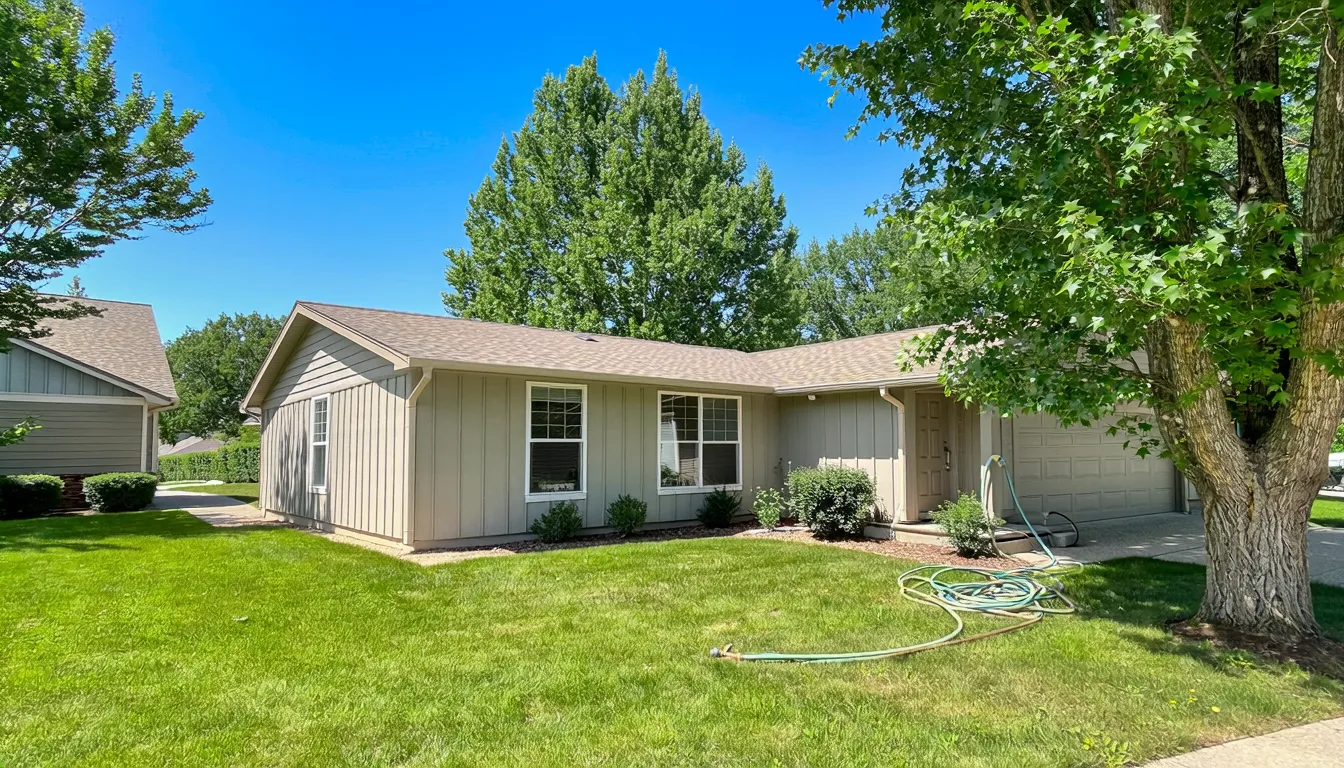
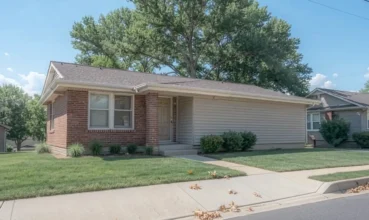
The classic first-time home purchase – a young adult saves up, qualifies for a mortgage, and buys a modest house alone – is fading in the Kansas City metro. Out of 14 first-time buyer transactions Shannon Doser closed over the past year, she estimates roughly 12 involved financial assistance from parents or grandparents. Doser, a 20-year real estate veteran and leader of the Doser Group at LPT Realty in the Kansas City metro, says the pattern points to a widening gap between what young buyers earn locally and what a standalone mortgage requires.
A Starter Home That No Longer Starts
Kansas City has long been known for its low cost of living and large lots relative to coastal cities. Buyers relocating from Denver or California have found they can stretch their dollars considerably – some paying cash for homes that would have been out of reach in their previous markets. But for a 25-year-old earning a local salary without outside wealth, the math has tightened.
Home prices across the metro have climbed roughly 50 percent over the past five years, according to Doser. Mortgage rates near 7 percent have pushed monthly payments higher even when the listing price looks manageable. Doser puts it plainly: “The starter home is not really in existence the way it used to be anymore.” Homes in the lower price tiers still appear on listings. But qualifying for one on a single income, with enough left over for insurance, taxes, and maintenance, is a stretch most young buyers cannot make alone.
That is why the family contribution has become so common. Doser notes that young buyers do want to purchase homes, particularly those whose parents are encouraging them to buy. The desire is there. The independent financial capacity often is not.
The Roommate Requirement
For first-time buyers without family wealth, the workaround is straightforward but limiting. Doser describes a buyer pool where solo purchases are the exception: “The kids have to have either a roommate or a fiance or something.”
This changes what a first home purchase actually looks like. Instead of a young professional choosing a neighborhood based on personal preference, the decision often hinges on whether a second income is available to share the mortgage. That introduces its own fragility. A roommate can leave. A relationship can end. A home bought on two incomes becomes a financial strain on one.
A Broader Market Stuck in Place
The affordability squeeze on first-time buyers fits a wider pattern of hesitation across the Kansas City market. Doser says consumer confidence has dropped noticeably over the past couple of months, driven largely by negativity in the media cycle rather than by local economic deterioration. “I think people are pulling back,” she says.
The result is pent-up demand across multiple buyer groups. Doser describes people who want to get married, get divorced, or move to a different neighborhood but cannot make the financial math work at current rates. Buyers in the middle of the market – those who already own a home but cannot afford the next step up after a 50 percent price increase – are the most likely to stay put.
Meanwhile, sellers who price their homes at or slightly below recent comparable sales are still closing quickly and at strong terms. Those who overprice based on what a neighbor’s home sold for two or three years ago are sitting – and ultimately conceding more than they would have if they had priced correctly from the start. Doser says one recent listing sat for roughly 40 days before the sellers came down to where she had originally recommended pricing it.
Where Openings May Exist
Doser says new construction across the metro has softened, which may create opportunities for buyers willing to consider those properties. Entry-level homes that are cleaned up and move-in ready are still selling well. And Johnson County, which Doser describes as stable, is unlikely to see meaningful price declines – though appreciation may flatten.
For buyers weighing timing, Doser cautions against waiting for conditions to align perfectly. She describes a market with enough deferred demand that a release – whenever it comes – could intensify competition for entry-level homes rather than ease it. At the same time, rates remain volatile week to week, and Kansas City’s cost-of-living advantage over coastal metros has not disappeared.
Doser frames the current rate environment as a perception problem as much as a financial one. She notes that 7 percent has been roughly the historical average over the past century, but a generation that watched rates dip into the twos now treats that average as unacceptably high. “They took them too low,” she says. “They should have never been in the twos.”
For first-time buyers without family support, the calculation is blunt: the solo starter home purchase that previous generations treated as a given now requires either a second income or a willingness to stretch further than it once did. In a metro still considered affordable by national standards, that gap between reputation and reality is where the pressure is building.
About the Expert: Shannon Doser is a 20-year veteran agent leading The Doser Group at LPT Realty in Kansas City, Missouri.
This article is intended for informational purposes only and does not constitute legal, financial, or investment advice. The views and opinions expressed herein reflect those of the individuals quoted and do not represent an endorsement of any company, product, or service mentioned. Readers should conduct their own due diligence and consult qualified professionals before making any investment decisions.