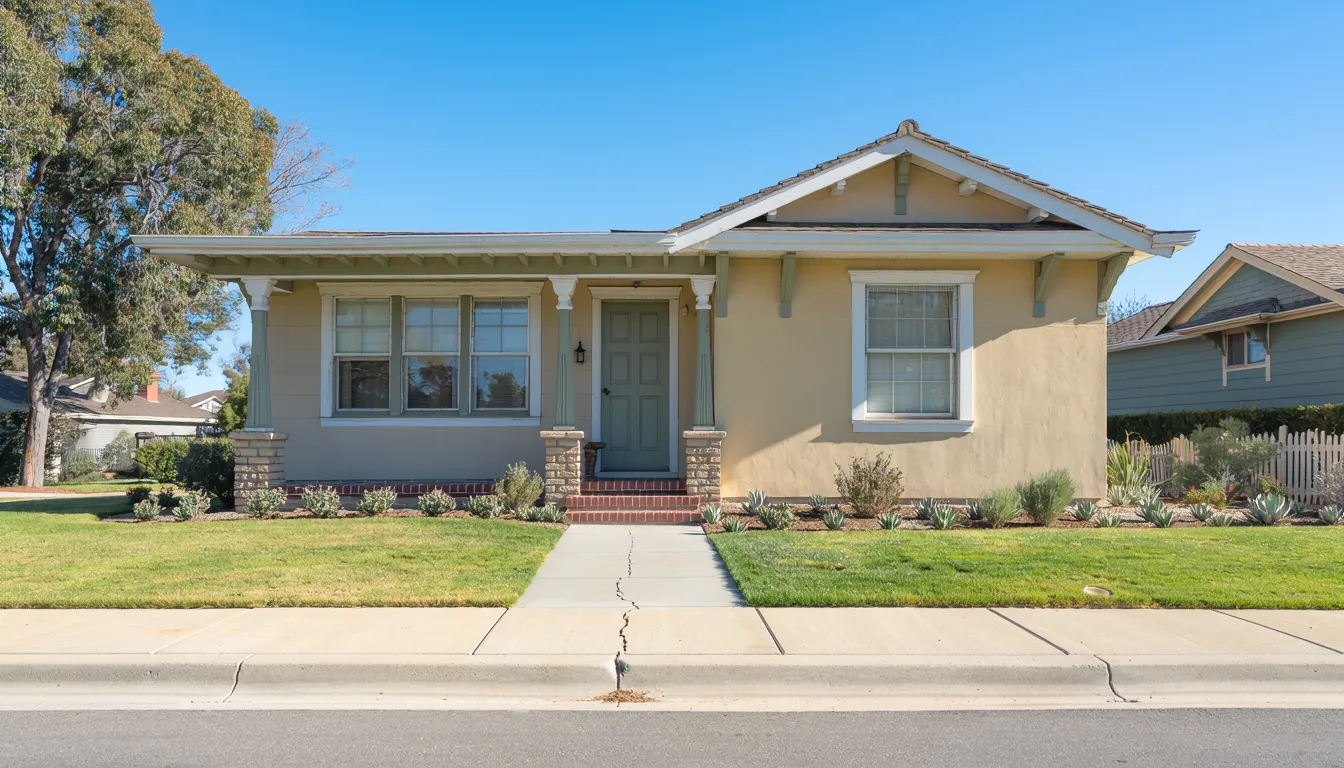
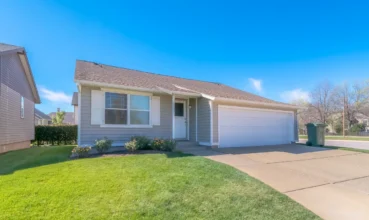
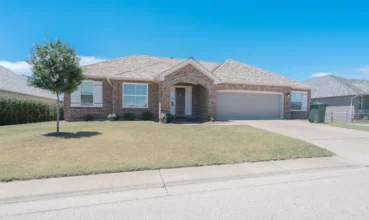
In Long Beach, California, most homes were not built as tract housing, where a builder puts up many similar homes at once. Instead, homes vary block by block in age, layout, and lot size. That variation makes price per square foot, a metric many investors rely on, a poor guide to whether a deal actually works.
Steve Nader of Beach Team Real Estate, who focuses on residential sales in Long Beach and surrounding markets, says investors who rely on this single average risk misjudging what a property is worth. Understanding how much individual homes differ can separate a sound purchase from a costly mistake.
A Misleading Metric
Price per square foot is one of the most commonly cited metrics in residential real estate investing. It is simple, easy to compare, and easy to explain. According to Nader, that simplicity is also the problem in a market like Long Beach.
“One thing I would tell an investor to avoid is looking at price per square foot,” Nader says. “That’s a blended metric that a lot of investors gravitate towards because it’s a clean and tidy number. However, price per square foot in the Long Beach marketplace specifically does not give an investor a real assessment of value.”
The metric can work better elsewhere. In tract housing markets, where homes share similar features and lot sizes, price per square foot can be a reasonable starting point. Nader notes that Long Beach is not that kind of market. Homes in neighborhoods like Belmont Heights, Belmont Shore, and Naples were built across several decades, many in the 1920s and 1930s. Lot sizes, floor plans, and conditions vary widely. A single average applied to all of these homes hides the differences that decide whether a property is a good buy or a bad one.
Block-by-Block Value
Nader says value in Long Beach is set at a level that broad averages cannot reach. “Every product, street by street, neighbor to neighbor, is different from one another,” he says. Location also affects how quickly a home sells. Nader says a mid-block home on a great street tends to sell very quickly. A home in a less desirable location usually takes longer to sell unless its price reflects that location. In other words, location carries its own price, and a neighborhood-wide average blurs it.
Nader points to several factors, including home size, layout, lot size, condition, and location. These factors interact, so each property needs its own analysis rather than a comparison against a general benchmark. A home with an awkward floor plan on a large lot may be priced very differently from a smaller, well-designed home on the same street. A home that needs overdue repairs may look like a bargain on a per-square-foot basis. However, Nader says today’s buyers tend to avoid homes that need significant work, because high prices leave them little room for repair costs. That can make a fixer-upper harder to resell.
That variation creates a real problem for investors who use standard metrics to screen deals quickly. The speed that makes price per square foot appealing is exactly what makes it unreliable in a market where the important differences are specific to each property.
Risk and Opportunity
The variation between homes is not only a risk. It also creates opportunity for investors willing to do the detailed work that averages skip. In a market where many investors screen on price per square foot, a buyer with real street-level knowledge can find homes that are undervalued based on their actual features rather than the neighborhood average.
Nader sees strong opportunities in Long Beach, but he says the right one depends on what the investor wants to achieve. “If it’s for a get in and get out quick flip, that is a completely different strategy than a long term investment where there’s value, upside or appreciation play,” he says. A property that suits a long-term hold may look unattractive for a quick flip, and the reverse is also true. Using the same metric for both strategies makes price per square foot even less reliable.
The challenge is greater for investors from outside the area. For them, the question is whether their usual approach to underwriting, the process of evaluating a property’s finances before buying, fits a market like Long Beach. Coastal markets with older homes, wide variation between neighborhoods, and strong demand from buyers drawn to the coastal lifestyle may call for a different approach than models built for newer, more uniform housing.
Start With Goals
Nader recommends that investors set their goals first and build a strategy around them. A clear timeline and expected return narrow the search to the neighborhoods, streets, and property types that fit. A defined goal keeps investors from chasing every listing that looks inexpensive on a per-square-foot basis.
For investors new to Long Beach, a goal-first approach takes more time than filtering listings by a single number. Investors can build that local understanding themselves or work with professionals who know the market well. Nader says getting investment decisions right matters more today. “The decision making has more at stake than it did in markets past,” he says.
Investors who skip that groundwork and rely on averages face two risks. They may overpay for homes whose features do not justify the neighborhood average. Or, just as costly, they may pass over homes that are worth more than a per-square-foot screen suggests.
About the Expert: Steve Nader leads Beach Team Real Estate, focusing on residential sales across Long Beach, California’s coastal neighborhoods.
This article is intended for informational purposes only and does not constitute legal, financial, or investment advice. The views and opinions expressed herein reflect those of the individuals quoted and do not represent an endorsement of any company, product, or service mentioned. Readers should conduct their own due diligence and consult qualified professionals before making any investment decisions.