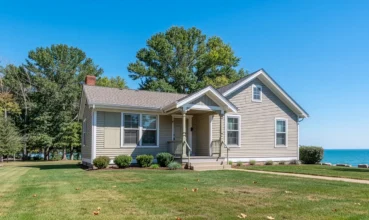
Plainfield, Illinois, about 40 minutes southwest of Chicago, spent the last two decades building itself into a family-oriented suburb with good schools, highway access, and prices well below neighboring Naperville. That growth phase worked. Families moved in, raised children, and put down roots. Now many of those original homeowners are entering retirement, and their homes are reaching the age where furnaces, air conditioners, and roofs start failing. The buyers lined up behind them, many of them first-timers, are telling agents the same thing: they want move-in ready, and they don’t have the budget for mechanical surprises.
That tension between aging homes and cost-conscious buyers is shaping how deals close in Plainfield and the surrounding southwest suburbs right now, according to Ellen Williams, a residential agent with Coldwell Banker Real Estate Group in downtown Plainfield who has worked the area for about 26 years.
The Generational Handoff
Williams describes a community in the middle of a generational transition. The families who bought homes during Plainfield’s growth period are now selling, some retiring, some leaving the state, while a younger wave moves in behind them. “A lot of the families have raised their kids here, and the kids are coming back to raise their children,” she says.
That cycle keeps demand steady. Williams says selling hasn’t been a problem because families continue moving into the area. The result is a market where listings aren’t sitting due to lack of interest. They sit, when they do, because of condition.
Plainfield also continues adding new construction, as does neighboring Shorewood. Williams monitors new builds closely because they directly affect how existing homes compete. “I like to see what we’re competing with,” she says. For buyers weighing existing homes against new builds, the comparison often comes down to whether the older home’s mechanical systems and overall condition justify the lower price.
Where Deals Fall Apart
Williams points to home inspections as the primary deal-breaker in her current transactions. As the area’s housing stock ages, mechanical systems are surfacing as the friction point between what sellers have and what buyers will accept.
“Some of the houses are getting older, and so there’s some home inspection issues that kind of affect a buyer,” she says. “A buyer’s not going to want to have to get a new furnace or a new air conditioner. They just might not have it in their budget.”
Financing, by contrast, is less of an obstacle in her experience. Williams says the buyers she works with have generally been well vetted before they start looking. The gap isn’t qualification; it’s the post-inspection negotiation over who pays for deferred maintenance. For sellers, that means the cost of replacing an aging furnace or roof before listing may be lower than the cost of losing a buyer after inspection.
First-Time Buyers Are Older and More Selective
The first-time buyer cohort in Plainfield has shifted. Williams notes that today’s first-time buyers are older than they were 10 or 15 years ago, and their expectations reflect that. They do more research and tolerate less risk.
“They’re very cost-conscious,” Williams says. “They want to make sure that the mechanicals are in good order, the roof is in good order. They don’t want to have a lot of upfront expenses when they purchase.”
That means the entry-level segment moves fast, but only for properties that meet the move-in-ready threshold. Williams describes the first-time buyer market as “always a fast-paced market because there are more buyers,” while also noting that well-priced higher-end homes are closing too.
What Sellers Need to Know About Market Time
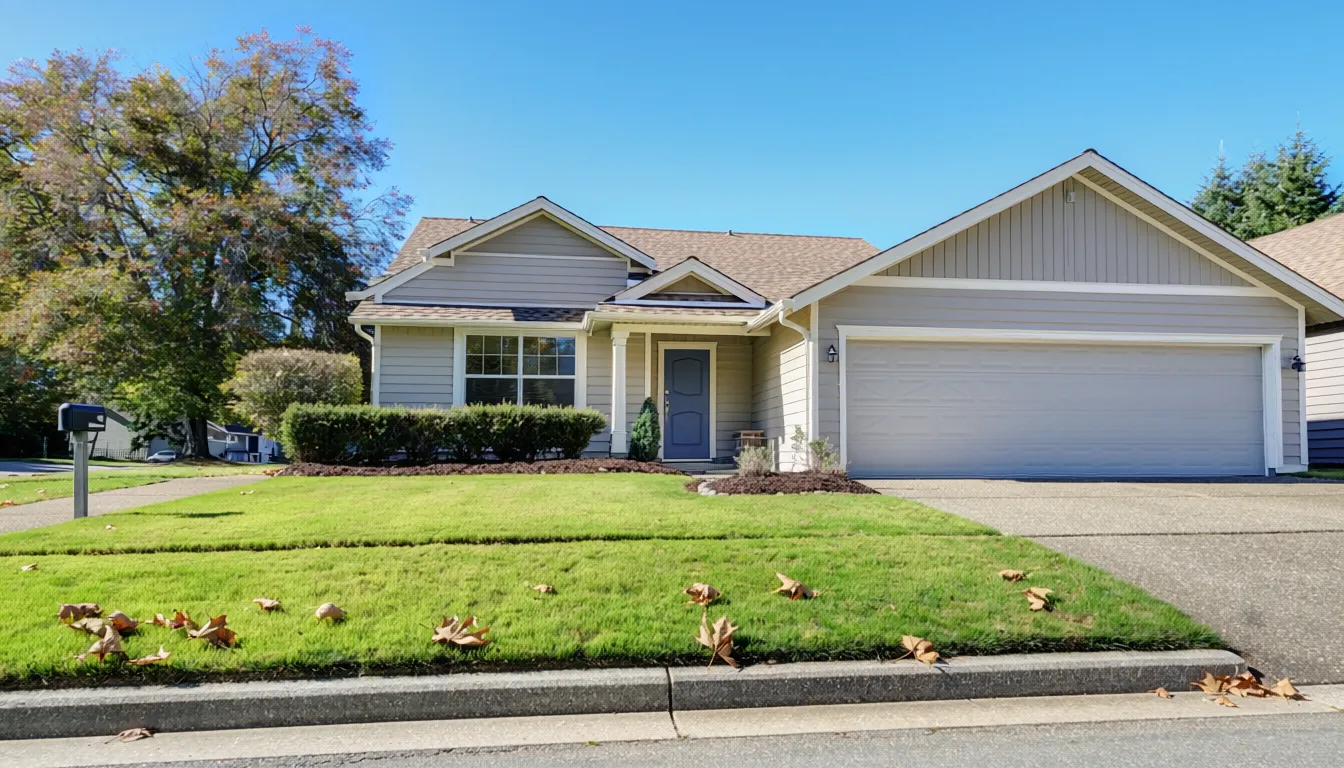
Market time has stretched slightly in recent months, according to Williams. The difference between a quick sale and a lingering listing comes down to preparation. “If your house is in really good condition and it’s clean and you’ve been maintaining it and it has good curb appeal, I think it’ll sell quicker than homes that haven’t been as well maintained,” she says.
On pricing, Williams describes most sellers as realistic, though some test the upper end. “Depending on their motivations, some people will try a little bit higher in price, and then they may have to change and adjust,” she says. Sellers who price above comparable sales often face a correction that costs them time on the market, time during which buyer interest can fade.
Williams characterizes the overall mood among both buyers and sellers as “cautiously optimistic.” Buyers want to move forward but don’t want to overpay, particularly with interest rate direction still uncertain. “They want to get what they want, but they also want to get it at a fair price,” she says.
What Outsiders Miss
For buyers relocating from out of state, Williams flags two elements that routinely catch people off guard: Illinois property taxes and the prevalence of homeowners associations across Plainfield’s communities. “I always like to talk about taxes and how that’s included and what to expect tax-wise,” she says. HOA requirements vary by community, and Williams walks buyers through the specifics before they commit.
The broader southwest suburbs, Shorewood, Romeoville, Oswego, and Naperville, each have their own character, according to Williams. Plainfield tends to be more affordable than Naperville, which offers commuter train access to Chicago. Plainfield has Pace bus service and easy access to Interstates 80 and 55, which matters for buyers whose jobs aren’t downtown. Williams says where someone needs to commute often determines which suburb they choose.
What the Next Year Looks Like
Williams says she watches interest rates, lender programs, and the balance between existing and new construction inventory closely. The market is not distressed; both buyers and sellers have opportunities right now, she says. But the dynamic she describes points in a clear direction: homes that have been well maintained will continue to sell to the steady stream of families moving in, while homes with deferred mechanical issues will face longer market times and tougher negotiations.
For sellers preparing to list in the next year, the most consequential decision may not be cosmetic upgrades or pricing strategy. It may be whether to address the furnace, the air conditioner, or the roof before the first showing, because the buyers on the other side of the transaction have made clear they won’t absorb those costs themselves.
About the Expert: Ellen Williams is a residential agent with Coldwell Banker Real Estate Group in downtown Plainfield, Illinois, who has worked the area for about 26 years.
This article is based on information provided by the expert source cited above. It is intended for general informational purposes only and does not constitute legal, financial, or real estate advice. Readers should conduct their own research and consult qualified professionals before making any real estate or financial decisions.