Large builders in Delaware call their homes “affordable” when prices start at $300,000 to $350,000. For workers earning 40 to 80 percent of the area median income, roughly $35,000 to $60,000 a year in Delaware, those numbers don’t work, even with down payment assistance attached. The gap between what programs label affordable and what service-industry workers, nurses, and retail employees can actually pay is where most housing conversations stop, and few organizations start building.
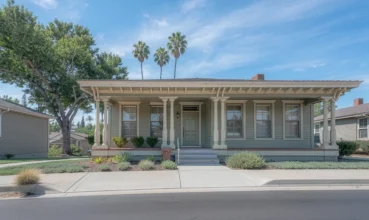
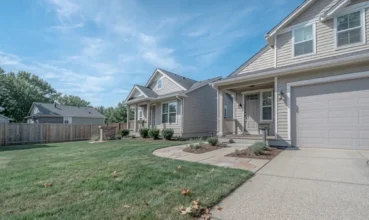
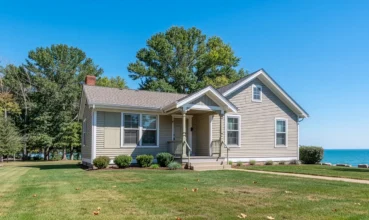
Little Living, a Delaware-based 501(c)(3) led by George Meringolo, is attempting to fill that gap with a cottage-community model designed around smaller homes, nonprofit economics, and a land-lease structure that keeps purchase prices between $115,000 and $135,000. The organization’s first project, Market Street Village in Georgetown, is a 20-home development with an all-in project cost north of $5 million, roughly $250,000 per unit in construction terms. Because the nonprofit carries no profit margin and no executive salaries, rents and sale prices land well below what conventional builders charge.
The Pricing Structure
The rental model at Georgetown prices one-bedroom cottages at $950 a month, two-bedroom cottages at $1,100, and three-bedroom cottages at $1,200, with all utilities, water, sewer, electric, and internet included. Meringolo estimates the effective rent after accounting for those bundled costs falls between $650 and $900 a month.
Rental income stays within the community: a portion services a mortgage, another covers current maintenance, garbage, landscaping, snow removal, and the remainder goes into long-term reserves. As the community needs additions, the pooled funds are available without outside fundraising. The organization also plans to sell homes in its larger developments while retaining ownership of the land underneath, leasing it on long-term, assumable terms. Meringolo says several major lending institutions with first-time buyer programs have already agreed to work within that structure.
For buyers in the target income range, the difference is stark. Major builders offering “affordable” units in mixed developments are typically pricing those homes at $300,000 to $350,000, and in some cases adding costs to offset the concession-based units they’re required to include. Little Living’s one-bedroom cottages would sell for approximately $115,000, two-bedrooms for $120,000, and three-bedrooms for $135,000, according to Meringolo.
Why Site Selection Keeps Killing Projects
Little Living’s site criteria are specific enough that they’ve already led to one project being scrapped entirely. A Kent County development was abandoned after more than a year of effort because the property sat outside a designated growth zone. “You would imagine that wouldn’t make any difference, but we weren’t in a growth zone,” Meringolo says. The county eventually identified an alternative parcel, larger, similarly priced, and within an approvable area.
The organization requires proximity to employment centers, schools, and hospitals. It needs municipal water and sewer service, which reduces both per-unit costs and regulatory friction. Going with septic systems, Meringolo says, makes approvals harder and reduces the number of homes a site can support. The organization also needs local government willing to act as a partner. In Georgetown, the town rewrote an ordinance to allow 12 homes per acre, giving the project room to place 20 cottages on two donated acres.
Land acquisition follows a specific pattern as well. In two of three current projects, the land was donated, a transaction that provides the donor a tax benefit through the organization’s 501(c)(3) status. In the third, the seller accepted a substantial discount, with the difference structured as a donation for capital gains purposes.
A state law called Senate Bill 23 has created additional runway for projects like these, though adoption varies sharply by jurisdiction. Kent County and New Castle County have embraced it. Sussex County, where Georgetown sits, has not, but because Market Street Village falls within Georgetown’s municipal boundaries, the project operates under the town’s rules rather than the county’s.
The Cost Advantage and Its Limits
Meringolo’s background is in high-end residential construction, interior redesigns, kitchens, additions, and entertainment centers in homes valued at $2 million to $4 million. He says Little Living’s contractor relationships produce costs roughly 25 to 30 percent below what an outside estimate returns for the same work. The homes are stick-built from the ground up, not prefabricated. “That’s my background,” he says. “I wouldn’t allow prefabs.”
The organization recently received a $620,000 downtown development grant from the state of Delaware, with Neighbor Good Partners providing a bridge loan against it, since the grant disburses upon project completion. Traditional financing in the range of $1.2 million to $1.5 million will cover the remainder of Georgetown’s costs.
Meringolo is candid that the model is difficult to replicate. Other nonprofits have approached Little Living for guidance, but the construction expertise and subcontractor network that drive cost savings are specific to his career. “I’ve actually priced out our houses from an outside source, and the prices come in about 25 to 30 percent higher than we’re able to complete them for,” he says. Many nonprofit housing organizations carry executive salaries in the $100,000 to $200,000 range, overhead Little Living avoids entirely because Meringolo takes no compensation.
What Completion Could Change
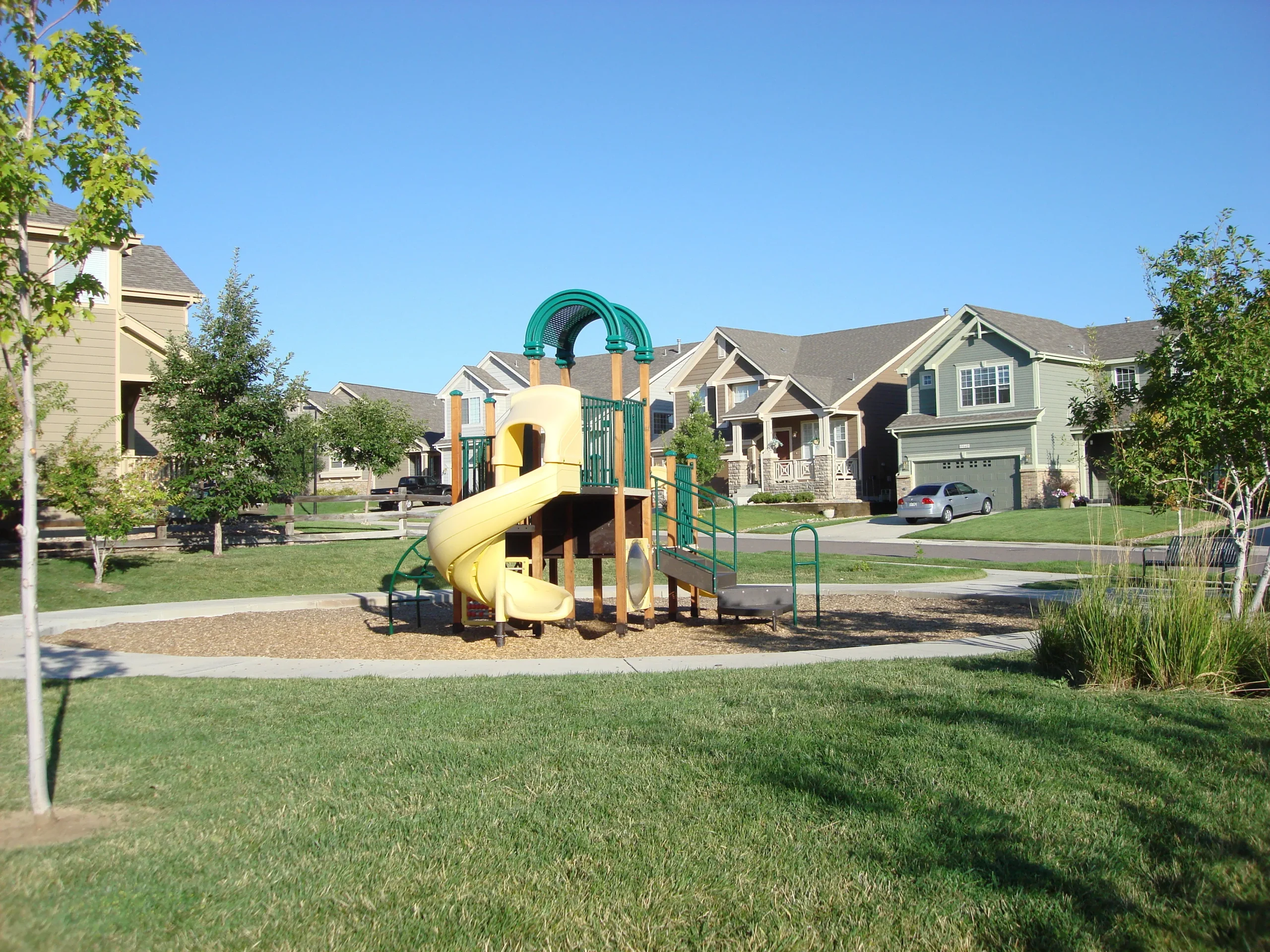
Two additional projects are in development, one targeting roughly 250 homes, another around 20, and the organization has fielded inquiries from Pennsylvania, Virginia, and Maryland. Community resistance remains the primary political obstacle. Meringolo says residents hear “affordable housing” and assume overcrowding and excessive cars. The Georgetown project, stick-built cottages with a community center, basketball and tennis courts, playgrounds, and walking trails, is designed to counter that assumption directly.
Meringolo believes the Georgetown project’s completion will reduce the political friction that currently slows approvals elsewhere. “I think once they see what it is and that it’s not what they think it is, I think it’ll go a long way,” he says.
Because the organization also benefits from a governor’s proclamation directing state agencies to expedite approvals for affordable housing, a completed demonstration project paired with continued state-level support could shorten timelines for future developments, particularly in jurisdictions that have already adopted Senate Bill 23.
About the Expert: George Meringolo leads Little Living, a Delaware-based 501(c)(3) nonprofit developing cottage-community housing.
This article is based on information provided by the expert source cited above. It is intended for general informational purposes only and does not constitute legal, financial, or real estate advice. Readers should conduct their own research and consult qualified professionals before making any real estate or financial decisions.