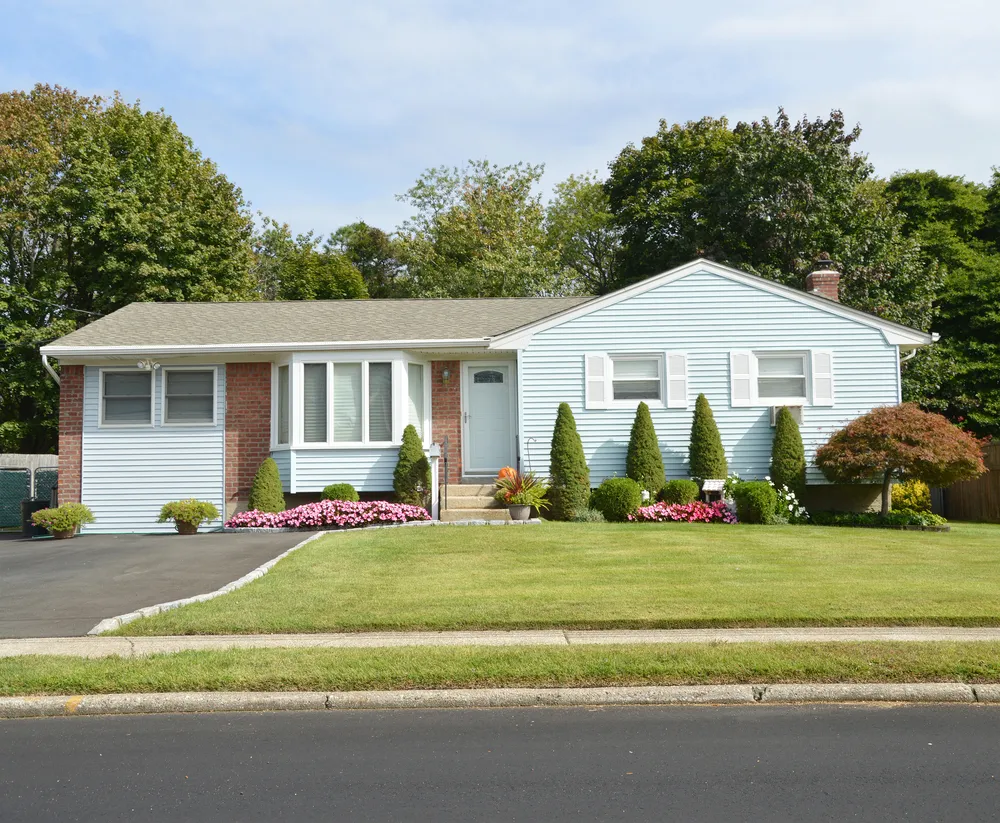
A town of 32,000 people should not have trouble keeping homes on the market. But in Pekin, Illinois, a community about 20 minutes from Peoria, only 67 residential listings were active as of September 2026. In a typical year, that number would sit between 180 and 200. A year and a half ago, it dropped as low as 18.
Inventory has climbed modestly, from 18 to 30 to the current 60-plus, but the gap between current supply and historical norms is wide enough to change how agents, buyers, and sellers operate. According to Mary Ann Ladendorf, a 41-year veteran of the central Illinois market and part of the Ladendorf & Gambetti Team at RE/MAX Traders Unlimited, buyers now need a pre-approval letter before they even begin looking. “Scarcity makes a big difference in how quickly people are able to act,” she says. “They need to be very focused to get what they want.”
Where the Market Moves Fast
The fastest-moving price band in Pekin falls between $200,000 and $300,000. That range draws first-time buyers and move-up buyers alike, and homes there sell quickly in the current environment.
Entry-level homes – the kind first-time buyers target – now start around $100,000, a figure that has climbed noticeably over the past three years. At the other end, homes priced above $600,000 sit longer. Buyers at that level weigh their options differently, often comparing the cost of purchasing an existing home against the cost of building new. “It is more of a thought process for them,” Ladendorf says.
The rental market mirrors the ownership side. Availability is so limited that Ladendorf confirms sellers have a housing plan before she lists their property. “I make sure they have a plan because I don’t want them homeless,” she says.
The Downsizing Gap No One Has Filled Yet
One of the most acute shortages is in housing suited for empty nesters and retirees, single-level condos and duplexes that allow residents to downsize without sacrificing comfort. Ladendorf says the demand is significant: people are living longer, they have raised their families, and they want something manageable, but the housing does not exist in sufficient quantity.
She is currently in discussions with developers about a potential 40-unit project in Pekin, though the effort remains in early stages. “We’re still in the talking stages, but it’s hopeful that that will happen,” she says.
The challenge for developers is arithmetic. Construction costs in the area now run between $250 and $280 per square foot. At those numbers, building a home at a price the local market can absorb while still turning a profit is difficult. Ladendorf works closely with developers to navigate this; she currently has lots listed in two subdivisions. “You need a developer who’s going to figure out how to build a great house for less money and make all the numbers work,” she says.
Development agreements with the city add further delay. Pekin offers TIF programs designed to encourage building and buying, but assembling the required approvals and agreements before breaking ground slows the timeline considerably.
Why Out-of-State Buyers Keep Showing Up
Central Illinois is not typically the first market that comes to mind for relocating buyers, but Ladendorf says she regularly works with clients moving to Illinois who are struck by the value. The area offers four lakes, four golf courses, strong schools, and a cost of living that produces visible sticker shock for buyers accustomed to coastal pricing.
Pekin’s high school, which Ladendorf describes as likely the largest between Chicago and St. Louis, operates a full tech center and building-trades program. Students build a house every year, and the school offers pathways into college, trades, or entrepreneurship. “The philosophy of PCHS superintendent is that everyone should leave upon graduation with a work path,” Ladendorf says. For families weighing relocation, that kind of educational infrastructure carries weight alongside the price of a house.
Commercial Investment Follows the Same Pattern
The tight residential market has a parallel on the commercial side. Ladendorf says her team handles significant commercial activity in Pekin, and the dynamics echo what she sees in housing: demand is strong, the community supports new business, and developers have responded. She points to several big-box stores recently brought into Pekin that have been, in her words, “a smashing success.” For investors considering the area, Ladendorf says the combination of clear demand and a supportive customer base makes Pekin viable. “The need is there, and there is clientele that will support it,” she says.
Presentation Still Determines Speed of Sale
Even in a market this tight, sellers who skip preparation pay a price in time and final sale numbers, according to Ladendorf. She will not list a property until professional photos and drone footage are in her file. “You don’t get two chances to make a good first impression,” she says.
Her pricing guidance to sellers is direct: aim for the highest number the market will support without crossing into overpriced territory. “In any market, an overpriced home is going to sell slowly,” Ladendorf says. In a market with 67 listings, an overpriced home does not just sit – it loses ground to the few competing properties that are priced correctly.
Interest rates and the broader economy remain the variables Ladendorf watches most closely. Both affect how quickly buyers can act and what they can afford. But even with those pressures, the fundamental math in Pekin, far more demand than supply across residential, rental, and commercial categories, points to a market where the constraint is inventory, not interest.
About the Expert: Mary Ann Ladendorf is part of the Ladendorf & Gambetti Team at RE/MAX Traders Unlimited, covering Pekin, Illinois, with 41 years in the central Illinois market.
This article is based on information provided by the expert source cited above. It is intended for general informational purposes only and does not constitute legal, financial, or real estate advice. Readers should conduct their own research and consult qualified professionals before making any real estate or financial decisions.