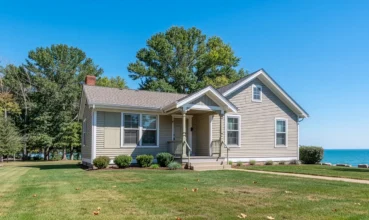
In a county where the median age is 57 and a third of deals close in cash, property type now determines whether a sale closes in weeks or stalls for months. Single-family homes in Citrus County, Florida, are trading steadily, with prices ticking up a few percentage points year over year, according to Bruce Brunk, who has worked the county since 2005 with The Citrus County Dream Team at Keller Williams Realty Elite Partners II. Condos and townhomes, meanwhile, have dropped 20 to 25 percent from their peak roughly three years ago and are sitting on the market for six to eight months without offers.
Brunk describes the current moment as a tide moving in two directions at once.
Two Markets Under One Roof
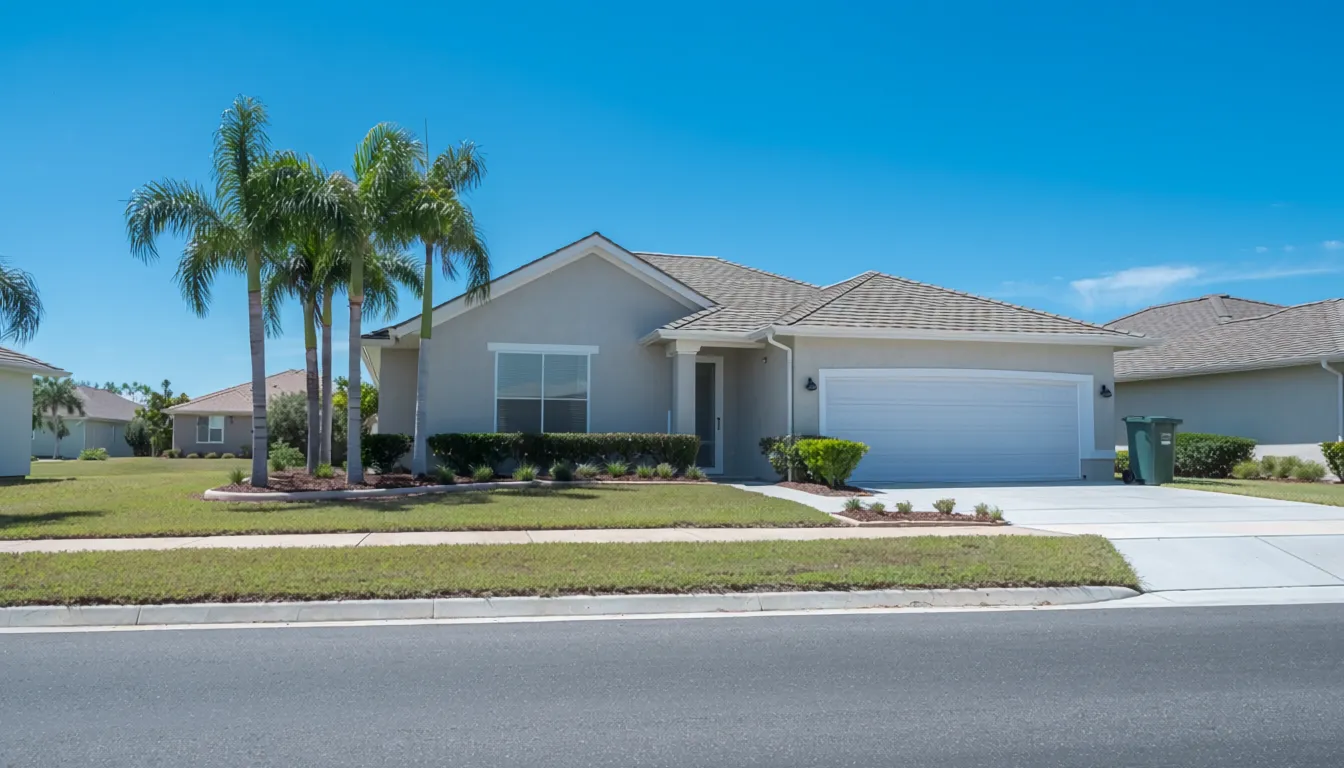
The split between attached and detached housing has created distinctly different seller experiences across Citrus County. In standalone retirement communities, activity remains brisk. Sellers in those areas are collecting roughly 95 to 96 percent of asking price, down from about 99.6 percent at the market’s peak three years ago, but still enough to close deals within a reasonable window. Buyers have more inventory to choose from than they did during that peak, when homes sold quickly but replacement purchases were nearly impossible to find.
Brunk calls the current balance close to ideal. “The problem three years ago is you could easily sell a home, but you couldn’t find a home to buy, which made it hard for people to want to sell,” he says. “Now you’ve got inventory for buyers to choose from, but you also have good opportunity for sellers.”
The condo and townhome segment tells a different story. Brunk attributes some of that weakness to a ripple effect from the South Florida condo collapse, which he says created a broad reluctance among buyers toward attached housing. Communities like Royal Oaks, near the Inverness airport, have been particularly slow. “It’s been like pulling teeth trying to get things to move in that particular community,” he says.
For buyers considering attached housing in the county, the price declines represent a potential entry point, but also a segment where resale timelines are unpredictable, and demand has not yet stabilized.
Infrastructure Is Driving Neighborhood-Level Winners
Not all single-family pockets are performing equally. The standout is Pine Ridge, a community at the terminus of the Suncoast Parkway, a highway corridor running directly to Tampa. An interchange opened within the last eight months at the entrance to Pine Ridge, putting the Tampa airport roughly an hour away via a straight drive. That access has made the community particularly attractive to pre-retirees, buyers three to five years from retirement who want a home that doubles as a winter getaway now and a permanent residence later.
Citrus County’s 180,000 residents sit within an hour to an hour and a half of Tampa, Orlando, and Ocala. That proximity to employment and services, combined with a rural environment, is pulling buyers from the Northeast, the Midwest, and increasingly from South Florida, residents who want to stay in the state but trade urban density for space.
Inverness itself has drawn recognition as one of the top-rated small towns in America, according to Brunk. He points to the town’s investment in parks, public facilities, and walkability, along with regular social events like a weekly car club downtown, as reasons retirees and pre-retirees choose it over other parts of the county.
A Buy-and-Hold Market, Not a Flip Market
For investors, the relatively flat pricing environment means flipping is difficult. There are no deeply discounted distressed properties of the kind that were available a decade ago, and slim appreciation margins leave little room for a profitable exit on a short timeline.
The opportunity Brunk points to instead is buy-and-hold rental property. In Beverly Hills, an area originally built in the 1970s and expanded in the 1980s, entry-level two-bedroom, two-bath homes are available around $165,000 and can rent for approximately $1,400 to $1,500 per month after renovation, according to Brunk. At a higher price point, Citrus Springs offers new-construction three-bedroom homes in the $250,000 to $275,000 range – roughly 1,400 square feet – renting for around $1,900 per month. Brunk says several builders are actively targeting investors in that segment, and new construction carries accelerated depreciation benefits.
Commercial development may support rental demand going forward. Brunk notes that a dozen new restaurants and several large employers have moved into the Lecanto area at the center of the county, and Tampa General Hospital has plans, not yet broken ground, for a facility he says would be twice the size of the county’s current largest hospital. “There’s a lot of momentum right now in the Citrus County market, which could be good for investors if they want to get on board with some rental properties that potentially these folks coming into the county would need access to,” he says.
Insurance Costs Depend on Which Side of the County
Florida’s insurance cost increases have a geography-dependent impact in Citrus County. The western portion, including Crystal River on the Gulf coast, took direct hits from two hurricanes two years ago, and insurance costs there have increased significantly, according to Brunk. Inverness, on the eastern side, sits at a higher elevation outside flood zones, and Brunk says insurance rates there have not changed meaningfully. “If you specifically take Inverness, probably overstated,” he says of the statewide insurance narrative.
For buyers evaluating the county, the distinction is specific enough that two properties 20 miles apart can carry meaningfully different insurance burdens.
Interest Rates Remain the Binding Constraint
The headwind Brunk is watching most closely is interest rates, which he says have not moved in the direction the market expected at the start of the year. The retiree and pre-retiree buyers who dominate the county often pay cash, which insulates a large share of transactions. But the younger families and service-industry workers who support the retirement community are rate-sensitive. “Interest rates are a very big issue, of course, for that segment of the population,” Brunk says.
That split means the county’s housing market is buffered against rate pressure in ways most Florida markets are not, but only for the demographic that already has capital. The service workers and first-time buyers who keep the local economy functioning face the same affordability squeeze as their counterparts statewide.
About the Expert: Bruce Brunk has worked Citrus County, Florida since 2005 with The Citrus County Dream Team at Keller Williams Realty Elite Partners II.
This article is based on information provided by the expert source cited above. It is intended for general informational purposes only and does not constitute legal, financial, or real estate advice. Readers should conduct their own research and consult qualified professionals before making any real estate or financial decisions.