The Philadelphia region never saw the extreme price run-ups other markets did, so it never took the sharpest drops either, and it remains one of the more affordable markets in the country. That steadiness hasn’t kept every seller’s expectations in line with the current market. Anne Rubin, a partner at Century 21 Advantage Gold who has spent 38 years working in Philadelphia and its surrounding counties, says the most common mistake she sees sellers make is pricing for conditions that no longer exist.
“Pricing their properties too high, thinking that the market is like it was two, three, and four years ago, and not being realistic about what the market is today,” she says.
A Listing That Proved the Point
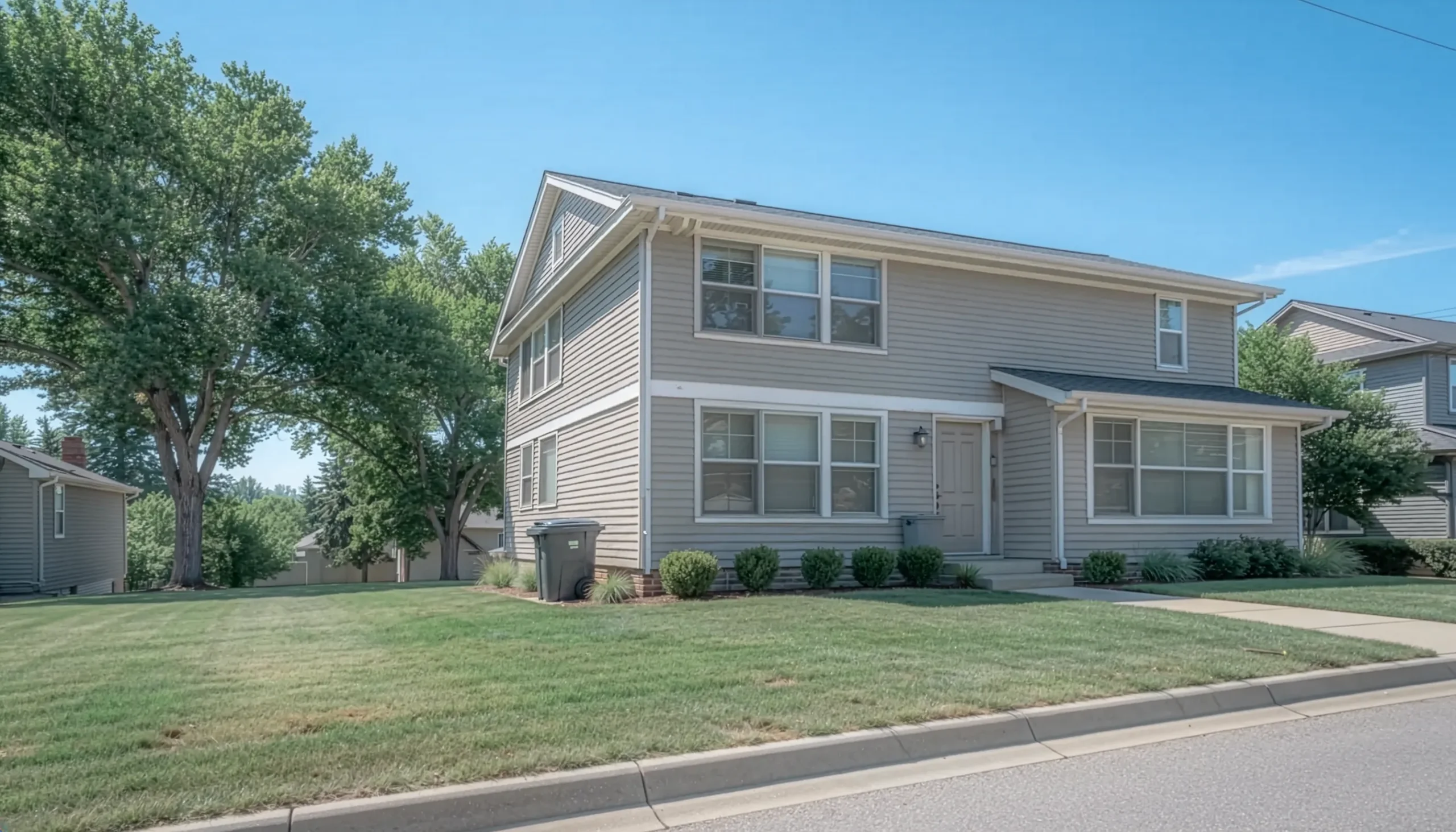
The cost of that mistake shows up clearly in one of Rubin’s recent listings, in the Feasterville-Trevose area of Lower Southampton Township, Bucks County. Rubin recommended a starting price, and the sellers wanted to list much higher. After two price reductions, the property reached the number she had originally suggested and went under agreement right away.
“When they finally put it down to the price that I believed it should have started at, we got an agreement right away,” she says.
In Rubin’s view, price outweighs most other weaknesses a property might have. Houses that need more work, or that sit on busy streets or near industrial uses, can be harder to sell. “If things are priced appropriately, most things are still moving,” she says. “It really still is all about the price.”
Balanced, but Not a Buyer’s Market Yet
The market those sellers are pricing against is moving toward balance, though it hasn’t tipped. More listings are coming on, but not enough to hand leverage to buyers.
“It’s getting more balanced is what I see,” Rubin says. “The inventory is still light. We’re seeing more properties come on the market, much more than there were, but not so many that it’s shifting to a buyer’s market yet.”
Seller confidence remains intact, she adds. Buyers are harder to read, and mortgage rates are the main reason. Rates recently jumped above 7% for the first time in a couple of years, and Rubin expects that to cut two ways: pushing some buyers out of the market while prompting others to move before rates climb further.
“It’s either going to push some buyers out of the market because the houses they want they can’t afford, or it’s going to inspire some buyers to get moving because interest rates could keep going up, so they better secure a property and get the interest rate,” she says.
Nor does Rubin see sharp differences between neighborhoods. Prices still track school districts, with the highest prices in an area tending to cluster in what buyers perceive to be the best districts. But she points to no areas where homes are gone the moment they list, and none where nothing sells.
Where Deals Fall Apart
When transactions do collapse, Rubin says, the cause is usually the home inspection. Either the property needs more work than the buyer wants to take on, or the seller isn’t willing to do what’s needed. Sometimes a sudden rate spike gives a buyer a reason to back out. Resolution, when it happens, varies – sometimes through seller repairs, sometimes through closing cost concessions that let the buyer handle the work.
“It depends on what the repairs are and who the people are,” Rubin says. “There’s nothing that I could say, ‘this is how it definitely goes.'”
A Market That Rewards
For investors, Rubin frames the decision around return rather than location. “For investors, it’s all about dollars and cents,” she says. The right strategy depends on whether an investor plans to flip or hold, though some neighborhoods lend themselves more to rentals than others.
Flipping has gotten harder given current prices and market conditions, Rubin says, and in her view the region now suits buy-and-hold investors better. Many investors, she adds, would prefer a multifamily property to a single-family home.
Rubin’s foreclosure work, which brings investors to many of her listings, offers another read on the market. Foreclosures turn up in every municipality, she says, and the largest share of hers are still in Philadelphia. But she sees nothing in Bucks County that raises red flags.
What the Next 12 Months Depend On
Rubin’s outlook for the coming year turns on mortgage rates, and not just in Bucks County. “It’s not going to affect just the Lower Bucks market,” she says. “It’s going to affect everything.”
One local variable she is watching is a PBS documentary series on Bucks County, whose first episode focused on the Central Bucks School District. Rubin says that episode “wasn’t a pretty picture,” though she hasn’t seen the rest of the series. She doesn’t know how widely it will be watched, or whether it will have any effect on Lower Bucks.
The broader dynamic is the gap between what some sellers expect and what the market will bear today. Rubin’s Feasterville-Trevose listing shows what closing that gap looks like in practice: once the price matched her original recommendation, the house went under agreement right away.
About the Expert: Anne Rubin is a partner at Century 21 Advantage Gold, working in Philadelphia and its surrounding counties, including Bucks County, Pennsylvania, for 38 years.
This article is based on information provided by the expert source cited above. It is intended for general informational purposes only and does not constitute legal, financial, or real estate advice. Readers should conduct their own research and consult qualified professionals before making any real estate or financial decisions.