Most cash offers in Marin County don’t come from tech workers carrying suitcases of stock-sale proceeds. They come from parents funding a child’s purchase, or from buyers drawing on personal IRA accounts and securing conventional lending afterward. The distinction matters because the popular narrative – that the Bay Area’s cash-heavy markets are simply a function of new wealth pouring in – obscures the actual mechanics of how homes are being bought in one of California’s most supply-constrained counties.
Jennifer Bowman, who leads the Bowman Real Estate Group at Vanguard Properties, has worked the Marin County market since 2013 and draws on close to five decades of local transaction records built by her mother before her. Her read on today’s buyer pool is that cash purchases look monolithic from the outside but are “actually a lot more diversified” once you examine the funding sources behind them.
Why Inventory Stays Tight
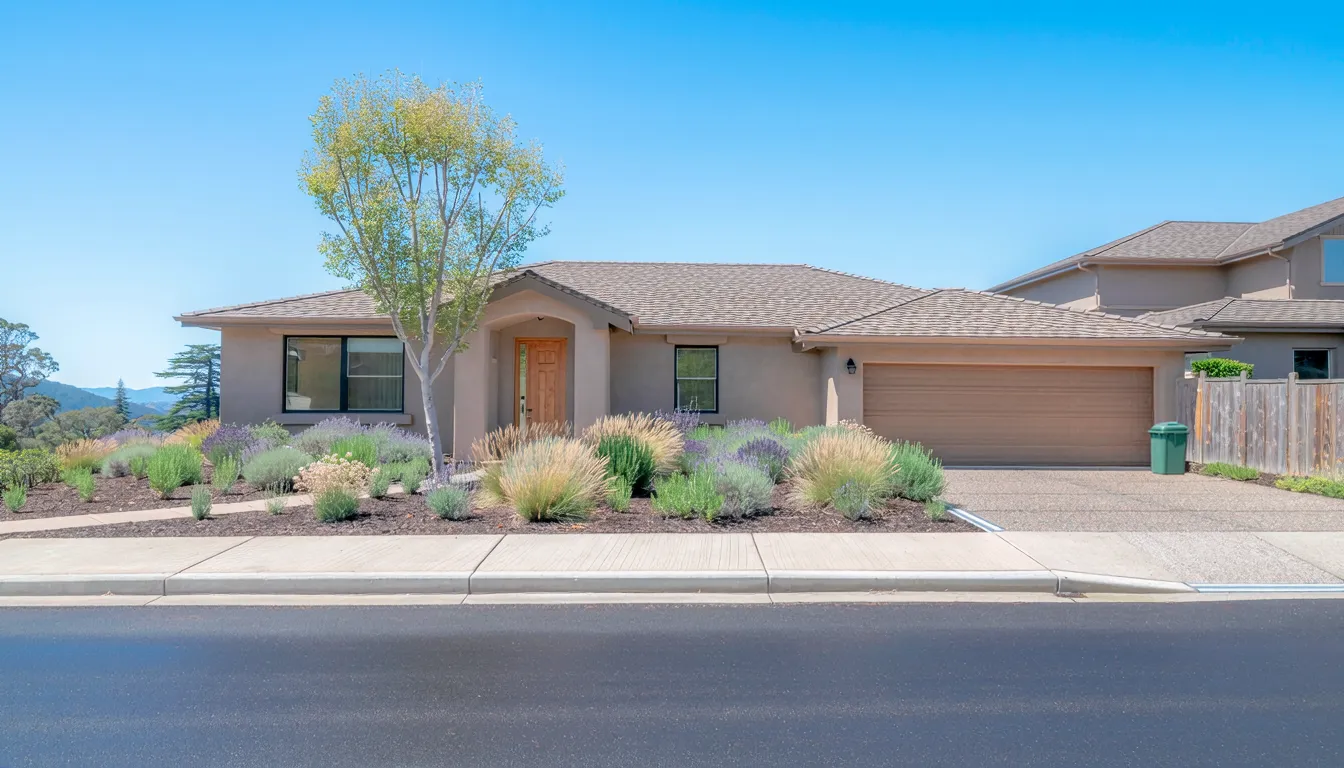
Marin County’s housing supply is constrained by design. Government oversight protects open space, and no significant new development enters the market. Bowman says there are no subdivisions of 15, 25, or 50 homes being built. Buyers who want new construction generally have to purchase an existing home, tear it down, and build from scratch. The result is a market where homes average 30 to 40 days on market over the past six months, and many sell in zero to 10 days.
That structural scarcity has a smoothing effect on pricing. According to Bowman, even during the 2008 downturn, values in Marin didn’t crash – they leveled off. The floor for a single-family home today is roughly a million dollars, with the county average sitting at $2.4 million. Homes that linger tend to have condition problems or unrealistic pricing, not a demand shortfall. Last week, according to Bowman, 42 percent of listed homes drew multiple offers.
What’s Keeping Homes Off the Market
One of the less visible forces suppressing inventory is a capital gains problem that keeps longtime homeowners in place. Many Marin residents expanded their homes as their families grew rather than moving. Now that children have left, these owners retreat to their first floor and stay put – not because they want a large home, but because selling would trigger capital gains they can’t absorb. And even those willing to accept the tax hit face a second obstacle. “The other question that they have is, well, but where would I go?” Bowman says. “There’s just not a lot of opportunities for that. So people stay in their homes here for a long, long time.”
This dynamic creates a peculiar demand pattern. Single-level homes command a premium from two entirely different buyer groups: aging residents who need them and young families who prefer them. Both groups also prioritize walkability to town centers, which compresses demand further into a narrow band of housing stock. For buyers in either category, the competition is not just with each other but with a market that produces almost no new supply of the homes they want most.
Where the Value Gap Is Opening
Not all of Marin County prices uniformly. Southern Marin – Sausalito, Mill Valley – is running hot, driven largely by proximity to San Francisco commutes. The traditional strong performers – Ross, Kentfield, San Anselmo, Greenbrae – remain steady. But Bowman sees a value gap opening a few freeway exits north, where buyers priced out of southern Marin can get significantly more space for less per square foot. She points to Bel Marin Keys, a waterfront neighborhood where homes with private docks average a little under a thousand dollars per square foot. Buyers who are flexible on commute time, she says, “are willing to drive those few extra minutes to have a bigger house and still be able to be under three to five million.”
AI-Assisted Offers Are Creating Real Problems
Bowman describes a recent transaction that illustrates a growing friction point. A couple relocating from Silicon Valley used ChatGPT to review property disclosures and generate offer strategy. The AI hallucinated a death disclosure that didn’t exist. It also told them they could buy any home for 20 percent below asking. The couple lost three offers before closing – cash, non-contingent, seven-day close – on a home that had been listed for 30 days, at a price slightly above asking.
The underlying problem, Bowman argues, is that large language models work from reported data that is already a quarter old by the time it’s published, and they can’t account for the block-by-block variation that defines Marin pricing. “Here we can have a huge difference in value because of two blocks,” she says. “One block is very lovely in the weather, and one is very windy.” AI models also default to national norms for inspection, disclosure, and repair obligations – requirements that vary by municipality. “You might get an answer that’s based on facts from Iowa, which would have nothing to do with the Bay Area market.”
What an agent provides that AI cannot, Bowman says, is the ability to have a direct conversation with the listing agent about a seller’s motivations – context that doesn’t appear in any dataset.
What Sellers Are Getting Wrong
The concession landscape in Marin has shifted modestly. Bowman reports that some sellers are reducing prices after listing too ambitiously – often benchmarking against a neighbor’s finished, staged home while offering their own property in original condition with them still living in it. Most sellers in the county prepare their homes by moving out and staging, and those who skip that step tend to be the ones adjusting price.
The more common concession structure now involves interest rate buydowns. Buyers increase their offer price above asking and negotiate a concession to buy down their rate. The net effect is that sellers still get offers above asking, but a portion of the proceeds goes toward reducing the buyer’s borrowing cost rather than into the seller’s pocket as pure profit.
“Pretty houses on pretty streets will sell well,” Bowman says, “especially if they’re properly prepared and priced.”
About the Expert: Jennifer Bowman leads the Bowman Real Estate Group at Vanguard Properties and has worked the Marin County, California market since 2013.
This article is based on information provided by the expert source cited above. It is intended for general informational purposes only and does not constitute legal, financial, or real estate advice. Readers should conduct their own research and consult qualified professionals before making any real estate or financial decisions.