Delaware has three counties, and Diego Reyes sees the state’s growth moving toward the one in the middle. New Castle County in the north is already saturated, he says, and Sussex County along the coast is adding pressure of its own. That leaves Kent County, at the center of the state, as the place he expects the next wave of growth to land. For investors, that raises a question of timing: whether to act before the pressure arrives or after it becomes obvious.
Reyes, who leads Diego Reyes & Associates with Keller Williams Empower Real Estate and is licensed in Delaware, Maryland, and Pennsylvania, ties that outlook to migration. Delaware has become a popular destination for retirees from northern states. One recent study, according to Reyes, ranked it above Florida. “We’re saturated in New Castle County,” he says. “And we’re seeing the pressure from Sussex County, which is the beach. But eventually the pressure is going to come into the center, and it’s going to end up in Kent.”
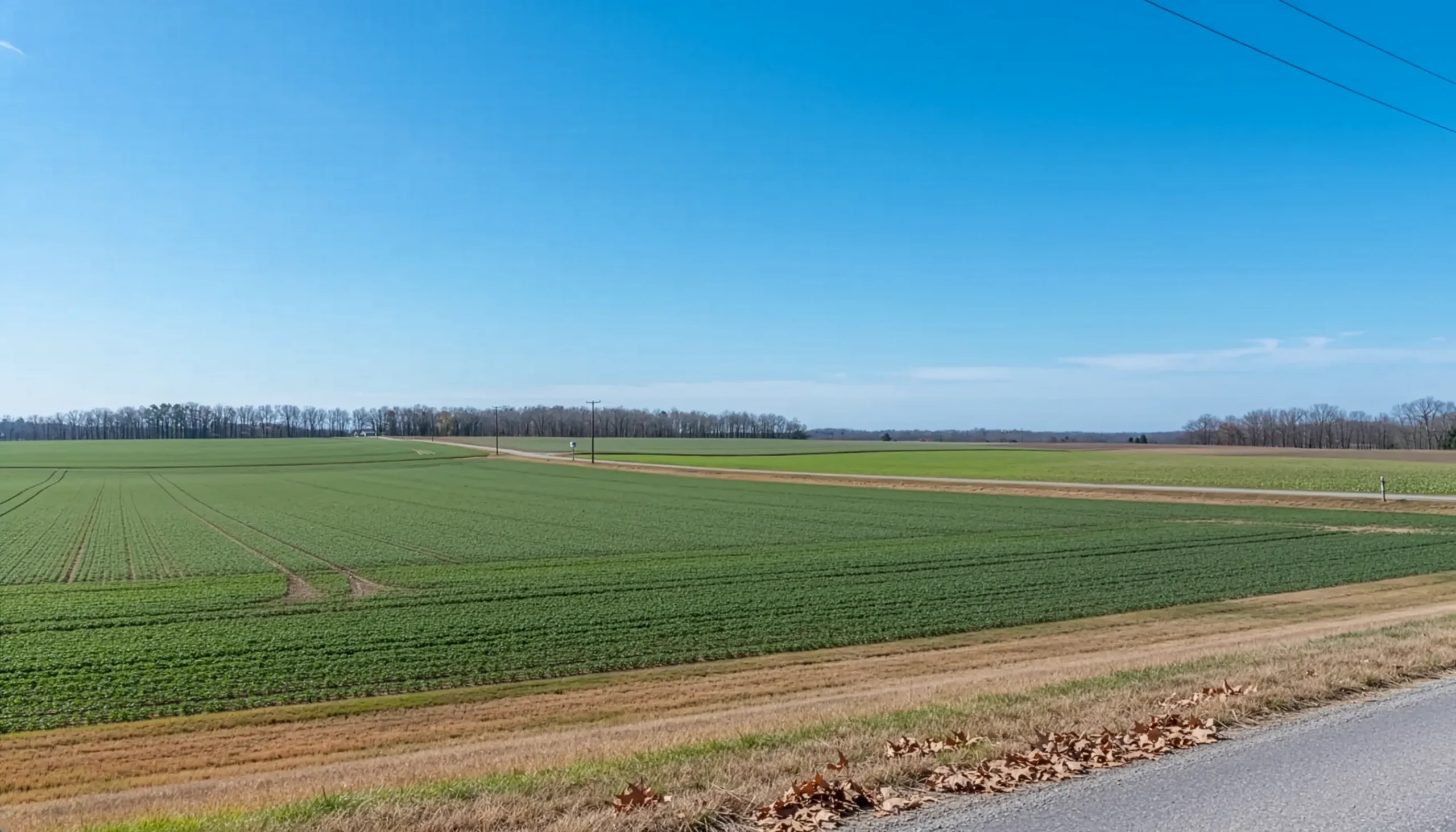
His answer to the timing question is to buy land now. “The land you buy today is going to double in price in the next five, six, seven years,” he says.
Why the Migration Pattern Matters
The migration matters to investors partly because of who it is likely to bring. Retirees arriving from northern states, Reyes says, may need to sell a property there and will likely want to buy in Delaware with cash. That would make them far less sensitive to interest rates than first-time buyers.
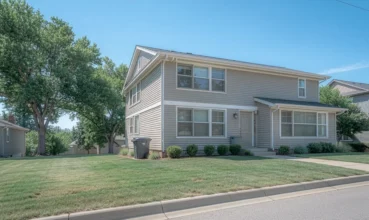
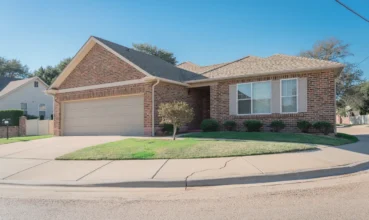
Delaware’s existing markets already show how wide that gap can be. In Greenville, which Reyes describes as one of Delaware’s most upscale markets, homes trade in the $800,000 to $2.5 million range. Buyers there, he says, often draw on family wealth – cash or assets they can liquidate – rather than traditional lenders, so rate swings matter less. First-time buyers in the $300,000 to $350,000 range, the core of Reyes’s own business, are in the opposite position, and he expects current rates to leave many of them hesitant.
That contrast is why Reyes sees the retirement market as the more durable one. “If you want to stay alive” as an agent, he says, “it’s going to be on that retirement market because they’re going to be loaded.” With those buyers, he adds, “financing is not going to be an issue.” That is the demand he expects to keep pushing outward from New Castle and Sussex, and eventually into Kent.
The Mobile Home Angle
Land is not the only opportunity Reyes sees in Kent County. He also points to an investment category that gets little attention: mobile home communities. He argues the economics work from multiple angles – owning the park, lending against the homes, or both.
The lending side is especially thin. Reyes estimates there are roughly five lenders nationwide willing to originate mortgages on mobile homes situated on leased land. The mortgages on an $80,000 mobile home, he notes, are “just as expensive as a mortgage for a $350,000 home,” and the market is less heavily regulated. Reyes sees that combination – high relative cost, few competitors, and lighter regulation – as an opening for investors willing to enter as either community operators or lenders.
By contrast, the traditional fix-and-flip market in his territory offers little room for new entrants. “We got investors eating each other alive,” Reyes says. Vacant properties are scarce, and when one surfaces, a wholesaler has often already pocketed $20,000 to $30,000.
A Market Correcting Toward Quality
The broader residential market in Reyes’s territory is also shifting in ways that reward prepared buyers. Two years ago, he says, “anything and everything was selling, and everything was selling with no inspections.” Buyers now expect a baseline level of property quality. Some price points remain hot enough to draw multiple offers and waived inspections, but other properties are sitting on the market for 15 to 30 days – long enough for buyers to negotiate favorable contracts.
Preparation matters on the financing side as well. Reyes, who works extensively with Latino first-time buyers, says he never enters the market with a shaky pre-approval. “If I get a client and they come pre-approved, I kind of stop it and go back to the lender and make sure that this pre-approval was solid.” He sees colleagues getting burned by lenders who don’t look closely at a borrower’s debt-to-income ratio. A home insurance bill that comes in $50 higher than expected, or property taxes that run a little high, can disqualify the mortgage entirely. Reyes says he learned to spot those problems in his first year in the business.
For first-time buyers facing today’s rates, Reyes also points to options outsiders may not expect: state down-payment assistance, and lower-rate products from local nonprofits and credit unions. “Right now, with the high interest rate, there’s a few internal nonprofits and credit unions that are offering a lower interest rate,” Reyes says. “That’s where I got attached now to try to lock in my clientele.”
Where Capital Should Look Next
Kent County is not the only place Reyes expects the migration to reach. He sees Cecil County in Maryland on a similar path, as migration bleeds across state lines, and expects both counties to stay hot for the next decade once they “wake up.” Neither is there yet, he says. That gap is the opportunity: investors can still buy land at a discount in both counties, then subdivide, develop, or hold until someone else builds. New construction, in his view, will have to follow the migration.
His broader advice is direct: “The right time to buy doesn’t exist. If the investment makes sense, if the opportunity makes sense, that’s the right time to buy.”
About the Expert: Diego Reyes leads Diego Reyes & Associates with Keller Williams Empower Real Estate and is licensed in Delaware, Maryland, and Pennsylvania. He works extensively with Latino first-time buyers.
This article is based on information provided by the expert source cited above. It is intended for general informational purposes only and does not constitute legal, financial, or real estate advice. Readers should conduct their own research and consult qualified professionals before making any real estate or financial decisions.