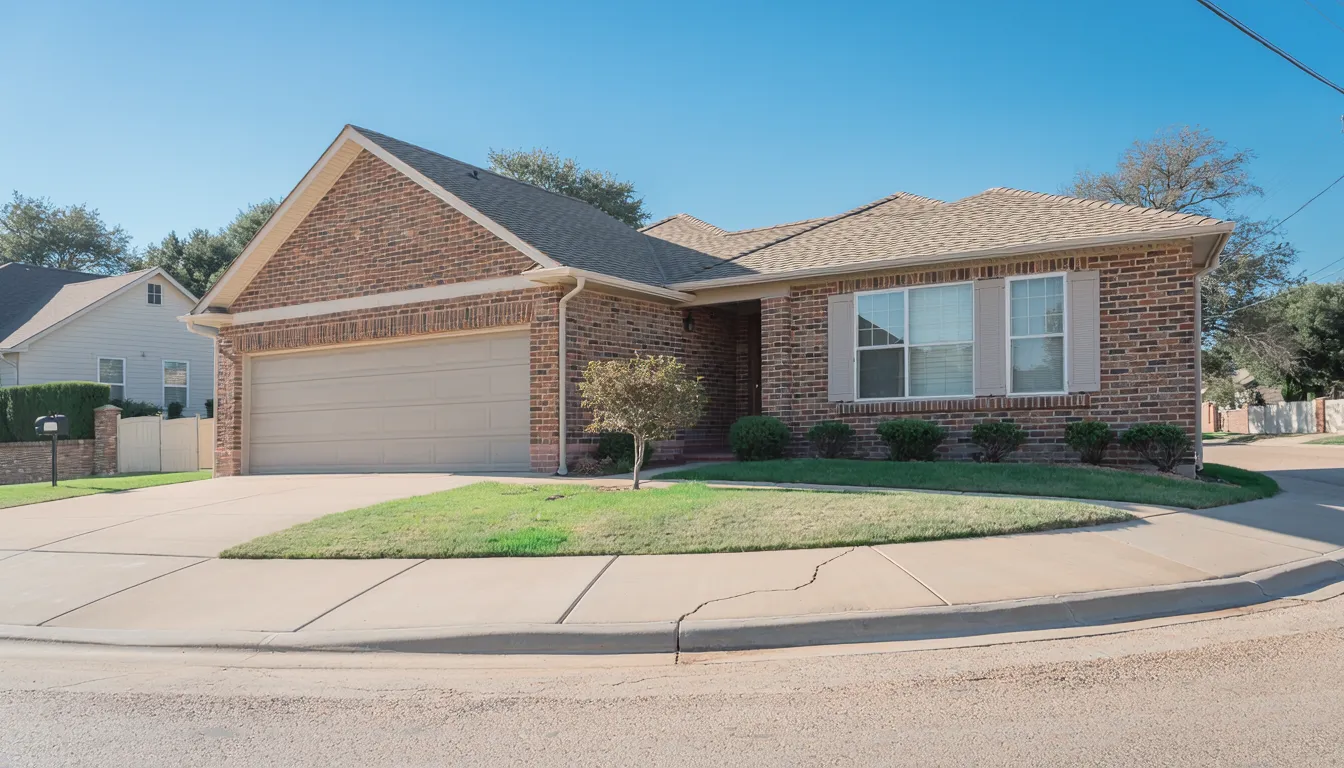
Inventory in the Dallas-Fort Worth metroplex has been building for months, and homes are sitting far longer than many sellers anticipated. Average days on market in some parts of Dallas proper have stretched to around five months, according to brokers working the area. Yet buyer activity remains muted, held back by interest rate sensitivity, indecision, and a general unease on both sides of the transaction. The result is a market where buyers hold meaningful negotiating power but often fail to use it.
Jennifer Cloud of Prominus Real Estate in Dallas describes a market defined by stress on both sides. “It’s not this happy-go-lucky ‘let’s have a good time, go find us a new house,'” she says. “It’s stressful for both sides.”
Cash Is Setting the Pace
The buyer pool in Dallas right now skews heavily toward cash. Cloud says the majority of her recent buyer transactions have been cash-based, with financed purchases few and far between. Rising interest rates have pushed rate-sensitive buyers to the sidelines, while those with liquidity are stepping in with offers that carry fewer contingencies and less risk of falling apart.
For sellers, that matters. Many are already anxious about their homes sitting, and the prospect of going under contract only to have a deal collapse and return to market compounds that anxiety. “Cash is less stressful as well,” Cloud says. “We don’t have to wait for all of these contingencies.”
The financing headwind is real. Cloud recounts a buyer who was already under contract on a property and pulled out after rates moved higher. That kind of late-stage withdrawal adds time and cost for sellers who may already be stretched.
Not One Market, But Dozens
One of the more useful frames for understanding Dallas-Fort Worth is that it is not a single market. The metroplex spans dozens of distinct submarkets, and performance varies sharply depending on location and housing stock.
Highland Park, an established luxury enclave, continues to trade largely in all-cash transactions and is not experiencing the same drag as the broader market. Parts of East Dallas – particularly the M Streets area and Greenland Hills, where homes sit within a conservation district – still attract competitive interest and move faster than surrounding neighborhoods. Cloud also points to a pocket just south of Devonshire, near Love Field, where older homes have been turning over for years, replaced by duplexes and new construction. “I’ve been talking about that area for years because they’ve been turning it over,” she says.
On the other end, outer suburbs like Prosper and Celina are struggling. Cloud says they both lack the infrastructure to support the volume of housing built there. Distance from Dallas proper and thin local amenities are weighing on absorption.
The Feedback Gap That Keeps Deals From Closing
In a market where homes are sitting, buyer feedback after showings becomes unusually important – and Cloud argues it is underutilized. When buyers tour a property and decide against it, their objections often go uncommunicated or only partially relayed to the listing side. The same issues repel buyer after buyer without the seller ever having a chance to respond.
Cloud treats feedback as actionable intelligence. If multiple showings produce the same objection – an outdated kitchen, a visible repair issue – she advises sellers to either address it directly or authorize her to communicate a willingness to negotiate on price or offer a credit. “If a buyer says, ‘Here’s my feedback’, and a seller really can assess what they can do about it, I think it would get the parties together more,” she says.
Not every seller can afford a $25,000 kitchen update. But acknowledging the objection and offering a path forward – a credit, a price reduction – keeps the conversation alive in a market where letting a buyer walk means waiting weeks for the next one.
Sellers Who Wait and Renters Who Weren’t
Some sellers have chosen a different path entirely. Over the past two years, Cloud says she has seen frustrated sellers pull their listings off the market and convert to rentals, choosing to wait for conditions to improve rather than accept a below-asking price. Others have delisted, reshot photos, rewritten the property description, and relaunched as a fresh listing.
These are workarounds, not solutions. But they reflect a market where sellers who are not financially pressured to sell are exercising their option to wait – thinning the pool of motivated listings available to buyers.
AI Is Changing How Buyers Negotiate Contracts
One emerging wrinkle Cloud has noticed is buyers using AI tools to review and propose changes to representation agreements and purchase contracts before engaging their agent. She describes a recent case where a prospective buyer requested several contract modifications, including removing the breach clause from the buyer representation agreement entirely. Some proposed changes were immaterial; others were nonstarters.
Cloud suspects the buyer ran the contract through an AI tool and asked how to make it more favorable. “AI is good in that sense because it’s helping the buyers and sellers be more informed,” she says. “But it may also stall negotiations because now they’re not perhaps listening to the professional. They’re listening to AI. And that’s not real world.”
In Texas, agents can fill in blanks on promulgated contract forms but cannot interpret, modify, or guide clients on contractual terms. Cloud, who holds a law degree and practiced construction litigation before entering real estate, says that distinction gives her latitude most agents lack – she can evaluate proposed changes and decide which to accept rather than forwarding them to outside counsel.
What Comes Next
Cloud expects the current dynamic to persist. With the Fed holding rates steady and inventory continuing to build, she sees buyer leverage extending well into the coming year. “I think the trend is just going to be a continuation of buyers really understanding how much negotiating power they have right now,” she says. “Sellers really need to start understanding these market dynamics.”
One potential source of additional demand is the financial sector migration to Dallas – the corridor sometimes called Y’all Street. Cloud says she has already fielded calls from buyers relocating from New Jersey as a result of that trend.
For sellers who need to move, Cloud’s advice is direct: price to the market, respond to buyer feedback, and be prepared to negotiate. Holding out for a higher number in a market with five months of average days on market means competing against a growing pool of listings from sellers who have already adjusted.
About the Expert: Jennifer Cloud is with Prominus Real Estate in Dallas, Texas, and holds a law degree with a background in construction litigation.
This article is based on information provided by the expert source cited above. It is intended for general informational purposes only and does not constitute legal, financial, or real estate advice. Readers should conduct their own research and consult qualified professionals before making any real estate or financial decisions.