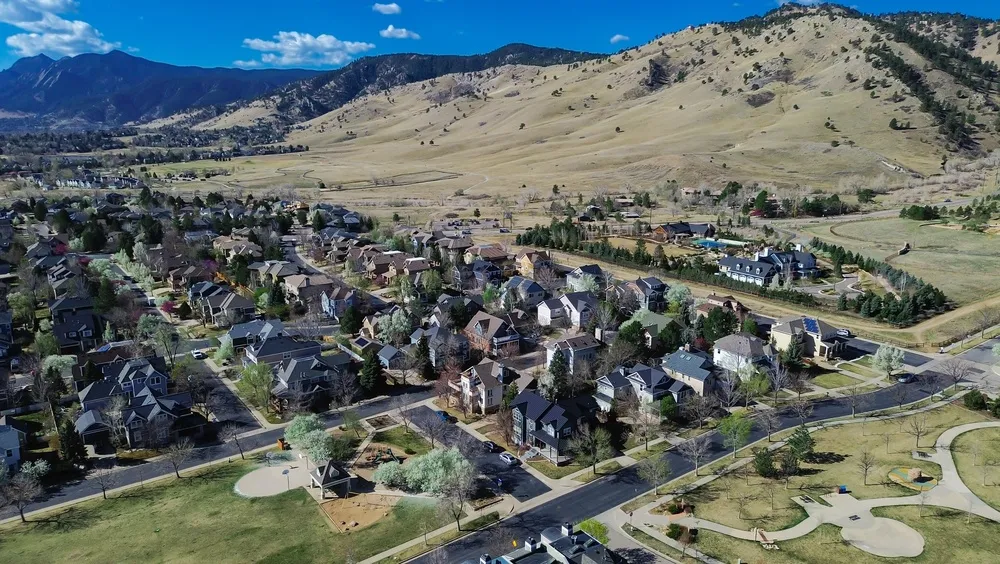
Buyers entering the Boulder, Colorado real estate market expecting a relaxed pace are getting a different experience. Despite national headlines about sluggish activity, well-priced listings in the Front Range market are generating enough competition that some first-time buyers cycle through multiple contracts before securing a property, not because they are being outbid every time, but because the path from offer to closing has become an obstacle course of its own.
Jennifer Stuckey, a real estate agent with RE/MAX of Boulder, says she is currently writing three contracts per first-time buyer client before one sticks. The reasons vary: multiple offer situations where the client does not win, homes with major defects discovered during inspection, or financing and appraisal complications that derail deals already under contract. “Getting a house to the market and getting a house to close are two different things,” she says.
That pattern reflects a market where supply is moving, but the quality and readiness of available inventory creates friction. Stuckey says homes that are priced correctly, in good condition, professionally staged and photographed, and listed on a Thursday with an open house that weekend typically go under contract within four days. The ones that sit, she says, are the ones where the full package was not in place before launch.
Seller Concessions Are Now Standard
One clear shift in the Boulder and broader Denver metro market is the prevalence of seller concessions. Stuckey says all of her current deals include at least $12,000 in concessions, used to buy down interest rates or cover closing costs. She notes that a colleague recently cited an average concession of about $14,000 across the Denver metro market.
That number creates specific pressure on sellers: the home needs to be transaction-ready before it hits the market, not after. Stuckey compares the process to selling a certified pre-owned vehicle. Her advice is for sellers to conduct pre-inspections, checking the age and condition of the roof, sewer, HVAC, electrical panels, and other major systems, so that buyer inspections surface only cosmetic issues rather than deal-breaking defects. “The quicker you can identify all these issues before you launch your house to the market, the better,” she says. Sellers who skip this step risk losing a buyer mid-transaction and starting the process over, now with a longer days-on-market count working against them.
The Condo Market Faces a Different Set of Headwinds
While single-family homes remain the preferred choice for most buyers Stuckey works with, the condo segment in Boulder and Denver carries its own complications. She points to high HOA fees, rising master insurance costs at the building level, and changing Fannie Mae and Freddie Mac guidelines for condo lending as factors that make condo purchases more difficult to finance and close. Even buyers who might otherwise consider a condo are gravitating toward single-family homes to avoid those layered costs.
One notable exception exists: parents purchasing condos near the University of Colorado Boulder campus for their college-age children. Stuckey describes a lottery system for certain units and says those transactions often close all cash with no contingencies – a segment operating on entirely different economics than the typical condo buyer navigating lending restrictions and insurance costs.
Location Is Leading the Decision, Not Price
For buyers actively searching, Stuckey says location consistently outranks price as the primary driver, though affordability still sets the boundaries. She describes a recent closing in which a buyer owned a downtown Denver condo but worked in the Louisville area, facing a commute of 40 minutes on a good day and often closer to an hour. The buyer could not afford to purchase near her workplace but cut her commute to roughly 15 minutes by buying in between. Another current client is prioritizing a neighborhood where the children can walk to school or catch a direct bus route. “Location will definitely come first,” Stuckey says. “Then price fits within the budget. Then the style of the house comes second or maybe third.”
That pattern helps explain why the Boulder market has held up better than national headlines suggest. The area sits between Denver and the mountains, drawing buyers from both directions. Stuckey says Colorado attracts people from California seeking relative affordability and from Texas drawn to the ski industry and mountain access. The region’s employers, including Google and several technology and defense-related firms, support a professional workforce that keeps demand steady even when rates rise.
Interest Rates Still Set the Tempo
Buyer sentiment in the Boulder market is mixed. Stuckey describes some clients as hesitant, with at least one explicitly saying they wanted to wait until after the election before making a move. Others are getting ahead of lease expirations months in advance, beginning their search now to be ready when the timing aligns. The common thread connecting both groups is rate sensitivity. “Every time it increases, it kills our showings, it kills our open house traffic, it kills buyers’ contract readiness,” Stuckey says. Even a half-percent change in the mortgage rate, she notes, directly affects both buying power and the offer prices sellers can expect.
For sellers, that rate sensitivity reinforces the importance of launching at the right price with a move-in ready home. Buyers who are already stretching their budgets have less tolerance for negotiation after inspection, which is why Stuckey’s pre-inspection approach matters: it removes the most common reason deals fall apart after a contract is signed.
A New Variable on the Horizon
One development Stuckey is watching closely is the Sundance Film Festival’s relocation to Boulder for January 2027. The event, previously held in Salt Lake City, is generating interest in short-term rental permits and pricing among local homeowners. But Stuckey is candid about the challenges: Boulder’s infrastructure, parking, and capacity for a major influx of visitors are limited. “I really don’t know what it’s going to be like,” she says, “but I know the city of Denver is ready to step in behind us and say, ‘Okay, now you guys cannot do it, and it’s our turn.'”
The festival’s arrival adds a new consideration for homeowners weighing short-term rental income against Boulder’s strict permitting rules. Stuckey says the city and surrounding areas are still working out what the event’s impact will look like, and whether local regulations will allow homeowners to capitalize on it at all.
About the Expert: Jennifer Stuckey is a real estate agent with RE/MAX of Boulder, covering the Boulder, Colorado market.
This article is based on information provided by the expert source cited above. It is intended for general informational purposes only and does not constitute legal, financial, or real estate advice. Readers should conduct their own research and consult qualified professionals before making any real estate or financial decisions.