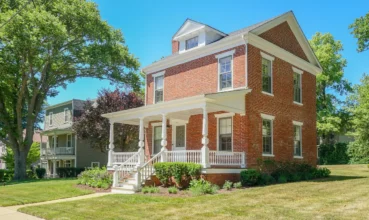
Rising home prices are often blamed on mortgage rates. In Chicago’s western suburbs, the bigger driver is a shortage of homes for sale.
Buyers there have spent roughly two years competing for a limited supply of listings, according to Chris Pequet, a broker with Jameson Sotheby’s International Realty. Pequet has worked mainly in the area’s luxury market for more than 35 years. She says the shortage has cut available listings to a fraction of historical norms.
Why Rates Matter Less
In many U.S. markets, higher interest rates cool demand. Buyers pull back, listings sit longer, and sellers eventually cut prices. That pattern has not played out in the western suburbs.
Pequet says the area “is not as sensitive to interest rates as some of the areas” because most buyers are not first-time buyers saving for a down payment. Many are moving up from a Chicago condo or moving between homes within the suburbs. These buyers usually have home equity and more financing options.
Their strategy is simple: buy the house now and refinance when rates drop. “Just get me in the house, and I’ll figure it out later,” Pequet says, describing a common buyer attitude. As a result, rate changes do little to slow competition. The bigger question for buyers is whether they can find a home at all.
Fewer Listings, Faster Sales
In Hinsdale, one of the area’s most in-demand communities, Pequet points to a sharp contrast. In 2008, roughly 385 homes were on the market at once, and only about 17 were under contract. Today, Hinsdale has about 60 listings at most, and roughly half are under contract on any given day.
Pequet says multiple offers are now routine and homes sell quickly. Buyers who hesitate often miss out. Many buyers first tried to wait out the shortage, hoping more homes would come on the market. After about a year, they stopped waiting and returned to the market. That added more competition for the same small number of listings.
Sellers Must Buy First
The shortage feeds itself. Many sellers in this market are also buyers. They include families downsizing, couples moving to a different neighborhood, and parents who need an extra bedroom. Pequet says many willing sellers cannot list their homes because they cannot find their next one.
“It becomes that catch-22 where I’m willing to sell, but I got to find something first,” she says. Low inventory makes that search take longer. The longer search keeps more homes off the market, which keeps inventory low. Progress happens one sale at a time. A seller finds a new home, lists the current one, and adds one more option for the next buyer.
Bidding Above Asking
As a result, buyers are not just competing against other active shoppers. They are also competing against buyers who delayed their search and have returned with urgency.
That competition pushes sale prices above asking. The cause is not inflated list prices. It is multiple motivated buyers bidding against each other. Pequet says the pattern is consistent. Fairly priced homes attract aggressive offers, while homes that are “extremely overpriced” from the start get passed over. Buyers “are savvy,” she says, and will not chase an unrealistic price. “If it comes on at a very fair price, they’re willing to overpay to get it,” she says.
In this market, the amount a buyer pays above asking may exceed the savings from a half-point drop in mortgage rates. Buyers who focus mainly on timing rates may be overlooking the higher cost of competition.
Outlook and Refinance Risk
Pequet sees no near-term trigger for a meaningful increase in inventory. The shortage has lasted roughly 18 months to two years. The main constraint has not changed: homeowners cannot list until they find their next home. When a desirable listing does hit the market, she says four, five, or even eight buyers may bid on it.
The “buy now, refinance later” approach carries a clear risk. Rates may not drop as quickly or as far as buyers expect. If rates stay high, a buyer who stretched a budget around a future refinance could be stuck with the higher payment for years. This risk does not change how competitive the market is. It does mean buying now involves financing risk as well as competition from other motivated buyers.
About the Expert: Chris Pequet is a broker with Jameson Sotheby’s International Realty, covering Chicago’s western suburbs, including Hinsdale, for more than 35 years.
This article is intended for informational purposes only and does not constitute legal, financial, or investment advice. The views and opinions expressed herein reflect those of the individuals quoted and do not represent an endorsement of any company, product, or service mentioned. Readers should conduct their own due diligence and consult qualified professionals before making any investment decisions.