Buyers considering waterfront property anywhere in Florida tend to treat insurance as a dealbreaker before they have priced it. Along the Gulf Coast’s barrier islands, agents say the difference between an alarming quote and a manageable one often comes down to something surprisingly simple: whether the buyer contacts a national carrier or a local insurer who knows the island.
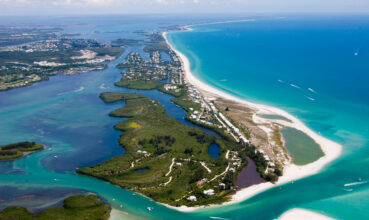
Robin Madden, owner of Islander Properties on the barrier islands off Placida, Florida, has sold and managed properties on this ferry-access-only island for nearly 20 years. She has watched the insurance conversation shift from a background concern to the first question buyers ask. “Insurance is affordable, in my opinion,” Madden says. But affordability depends heavily on which insurer a buyer contacts.
Local Insurers Price What National Carriers Miss
Madden recently saw a buyer receive what she described as an outrageous flood insurance quote. The problem was not the property or its risk profile – the buyer “wasn’t using a local” insurance company. Insurers familiar with the island understand its specific elevation characteristics, construction standards, and flood zone classifications. National carriers working from broad coastal risk models often do not.
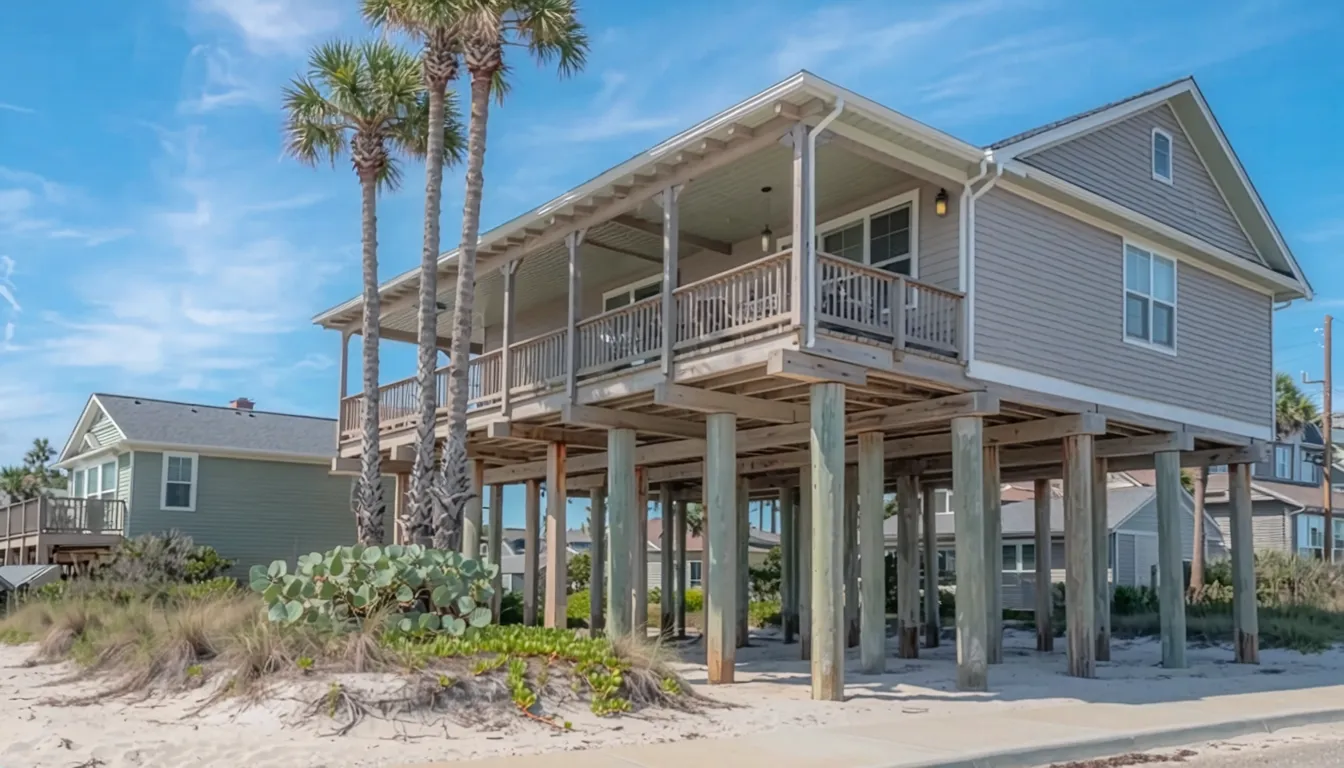
The island’s homes are almost entirely built on stilts. Madden’s own home sits 13 feet above base flood elevation, with an additional seven feet of structural height above that. Older buildings on the island are typically elevated at least nine feet. That construction style exists precisely because of the flood zone designation – and it directly affects how insurers price risk. A buyer working with a carrier that does not account for those elevations gets a quote that reflects generic coastal exposure, not the property’s actual flood profile.
Elevation Matters More Than Proximity
Most buyers assume that proximity to the ocean equals higher insurance costs, full stop. But flood insurance pricing hinges on elevation relative to base flood levels, not just distance from water. Madden points out that “our base flood elevation on the island is higher than Englewood and some areas on the mainland.” A buyer on the barrier island, elevated on stilts, can in some cases face lower flood risk than a buyer in a ground-level mainland home closer to the intercoastal waterway.
That does not mean island insurance is cheap. Madden acknowledges it is probably more expensive than a comparable mainland property. “In Charlotte County, there’s water everywhere,” she says. The entire region carries flood risk. The question is not whether insurance costs more on the coast – it does – but whether the premium gap is as wide as buyers who have never priced it locally tend to assume.
Three Hurricanes Tested the Market
The insurance picture was genuinely difficult in the immediate aftermath of three hurricanes that hit the region over the last four years. Hurricane Ian struck in 2022 as a Category 5 storm that battered the island for nine hours, according to Madden. Two subsequent water-surge hurricanes – Helene and Milton – followed. Carriers pulled back, premiums spiked, and availability tightened.
Madden says state-level intervention helped stabilize the situation: “The governor was bringing in some insurance companies and things have kind of leveled off.” But leveled off is not the same as resolved. Buyers should not assume current pricing is permanent – the market stabilized after intervention, and future storm seasons could shift availability again.
Where Buyers Go Wrong
The island currently has about 1,100 total properties. The agents and insurers who work that small inventory daily carry specific knowledge about elevations, construction standards, and flood zone boundaries that broader carriers do not build into their models. A national carrier assessing generic coastal risk and a local insurer who knows the island may produce numbers that look like they describe two different properties.
For buyers considering barrier island property in southwest Florida, the cost of insurance depends less on whether the property is on the coast than on whether the insurer understands the specific property. Madden says the buyers who get workable quotes are the ones who use insurers familiar with the island – not the ones who start with a national carrier and assume the first number they see reflects the market.
About the Expert: Robin Madden is owner of Islander Properties in Placida, Florida, serving the barrier islands off Englewood in Charlotte County, including Don Pedro Island, Knight Island, and Palm Island Resort. She has owned the firm for nearly 20 years.
This article is intended for informational purposes only and does not constitute legal, financial, or investment advice. The views and opinions expressed herein reflect those of the individuals quoted and do not represent an endorsement of any company, product, or service mentioned. Readers should conduct their own due diligence and consult qualified professionals before making any investment decisions.