The affordability conversation in most metro areas centers on interest rates. In Fairfax County, Virginia – the suburban ring just outside Washington, D.C. – a 25-year view points to home prices, not interest rates, as the main driver of the affordability squeeze, according to Andy Novins, who has worked the Falls Church area for 23 years alongside Crystal Street, his business partner of 14 years at Novins & Street with eXp Realty.
The county’s median home price has climbed from about $203,000 in October 2000 to $780,000 in the first half of 2026 – nearly four times higher. Median household income over roughly the same period rose from about $84,000 to about $154,000, according to Census Bureau estimates, an increase of less than double. That widening gap between what homes cost and what households earn has priced many households out and changed what sellers need to do to close a deal.
Novins tracks a local affordability index that captures the shift. “The affordability index was 1.6 in 2000, which means people had 60% more income than they needed to buy the median house,” he says. “Today it’s 0.8. They don’t have the income to buy the median house.” With mortgage rates close to their late-2000 levels, the gap comes down to wages falling behind prices, a point Street also makes.
Rates Explain This Year’s Slowdown
This year, though, rates are what changed, and they explain the recent slowdown. The average 30-year fixed mortgage rate fell to 5.98% in late February 2026, then climbed past 7% in late September and reached 7.40% in mid-October, according to Freddie Mac. Lisa Sturtevant, chief economist at Bright MLS, attributes the recent cooling across the D.C. area to higher rates rather than federal workforce cuts.
The county data shows the effect. Fairfax County had 2,326 active listings at the end of September, up 36% from a year earlier, while pending sales fell about 11%. At September’s pace of 897 closings, that inventory amounts to roughly two and a half months of supply.
Novins says the market has swung between slowdown and recovery since early 2025. Anxiety over federal job cuts weakened demand in the first half of 2025, he says, but by the end of the year the market had fully recovered, with homes selling quickly. Then, in April 2026, it slowed again.
Sellers Adjust to a Slower Market
Street says sellers have gradually adjusted to the slower pace. “It’s taken a couple of years to get them there, but I think the majority of them at this point have realistic expectations,” she says. The team presents data on pricing trends and market conditions upfront, so clients understand the basis for a listing price before the home goes live.
Part of that work is reading where the market is heading rather than where it has been. When an unusually large share of active listings are cutting their prices, the team treats recent comparable sales with caution, because those comps closed before the current round of reductions. When price cuts return to normal levels, the reverse can apply. “We may price higher than some of the comps,” Novins says. “But there’s a lag of two or three months sometimes.”
An Aging Housing Stock
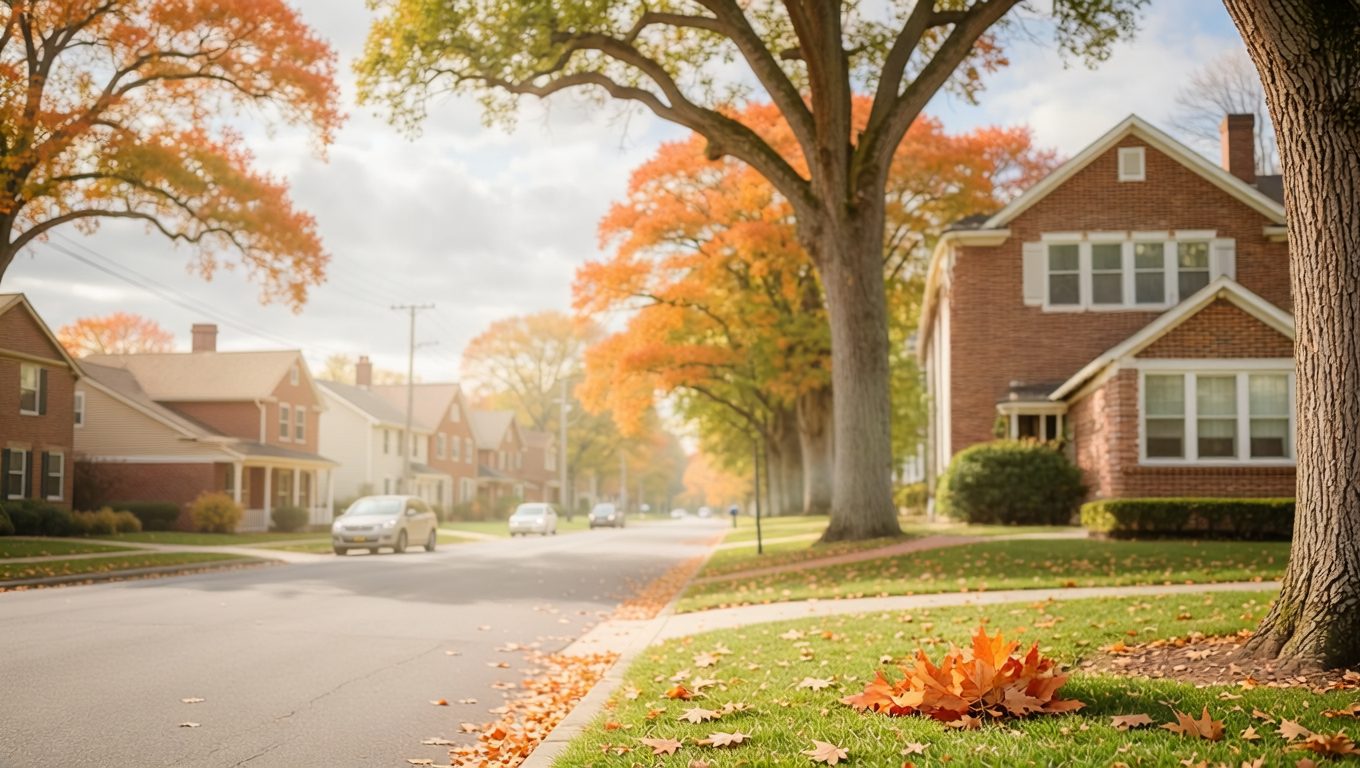
Falls Church sits less than ten miles from the White House, tucked behind Arlington in the close-in suburbs. Much of the housing in the market area is decades old, Novins says, and many homes have been remodeled, expanded, or updated over the years. Two houses on the same block may differ by an addition, a finished basement, or a reconfigured bathroom.
That variety makes pricing harder. “If you’re pricing a townhouse, maybe the end unit’s worth a little more. But they’re all the same,” Novins says. “These houses – none of them are the same. Doing a comparative market analysis is a much more difficult pricing process.” Preparing an older home for sale, from paint to light fixtures to presentation, is central to the team’s listing strategy, with Street handling much of the cosmetic work.
Who Is Buying and Selling
The buyer pool in Falls Church still includes first-time purchasers, but the move-up segment has thinned. Street describes the current mix as first-time buyers entering the market and retirees downsizing to be closer to family. On the listing side, many clients are leaving the region entirely, Novins says, largely because retirees do not want to absorb the high cost of living.
Federal workforce disruptions, which rattled the market in early 2025, have faded as a concern, a view the regional data supports. Street says affordability has become the more persistent barrier, especially for first-time buyers facing both higher rates and higher prices.
A Structural Shortage
Despite the rise in active listings, Fairfax County is still short on homes. The county’s own housing needs assessment found it lacks enough homes for a healthy market today, and the gap will grow with the population. Meanwhile, building permits have been falling, so construction is slowing just as the need rises.
More listings do not mean more homes. Inventory has risen because houses are taking longer to sell, not because the county has enough housing, and Novins draws that distinction sharply. “The active supply of homes on the market right now is very high,” he says. “But our supply of livable homes is very low. It’s inadequate for the population, and it’s not going to change.” Land costs are high enough, he adds, that teardown-and-rebuild projects produce only expensive homes, doing little for affordability.
That shortage is why Novins sees no risk of a 2008-style correction. “Our whole area is so short on housing,” he says. “I don’t think there’s any concern on our part that prices are going to crash.”
For buyers waiting for prices to fall, the math works against them: the shortage is not going away. Closing the county’s housing gap would mean building at least one and a half times, and possibly nearly four times, as many homes a year as it does now, and construction is slowing instead. Rates may ease and prices may flatten, but the forces behind a near-fourfold price increase since 2000 – limited land, high construction costs, and population pressure – remain in place.
About the Experts: Andy Novins and Crystal Street lead the Novins & Street team at eXp Realty in Falls Church, Virginia.
This article is based on information provided by the expert source cited above. It is intended for general informational purposes only and does not constitute legal, financial, or real estate advice. Readers should conduct their own research and consult qualified professionals before making any real estate or financial decisions.