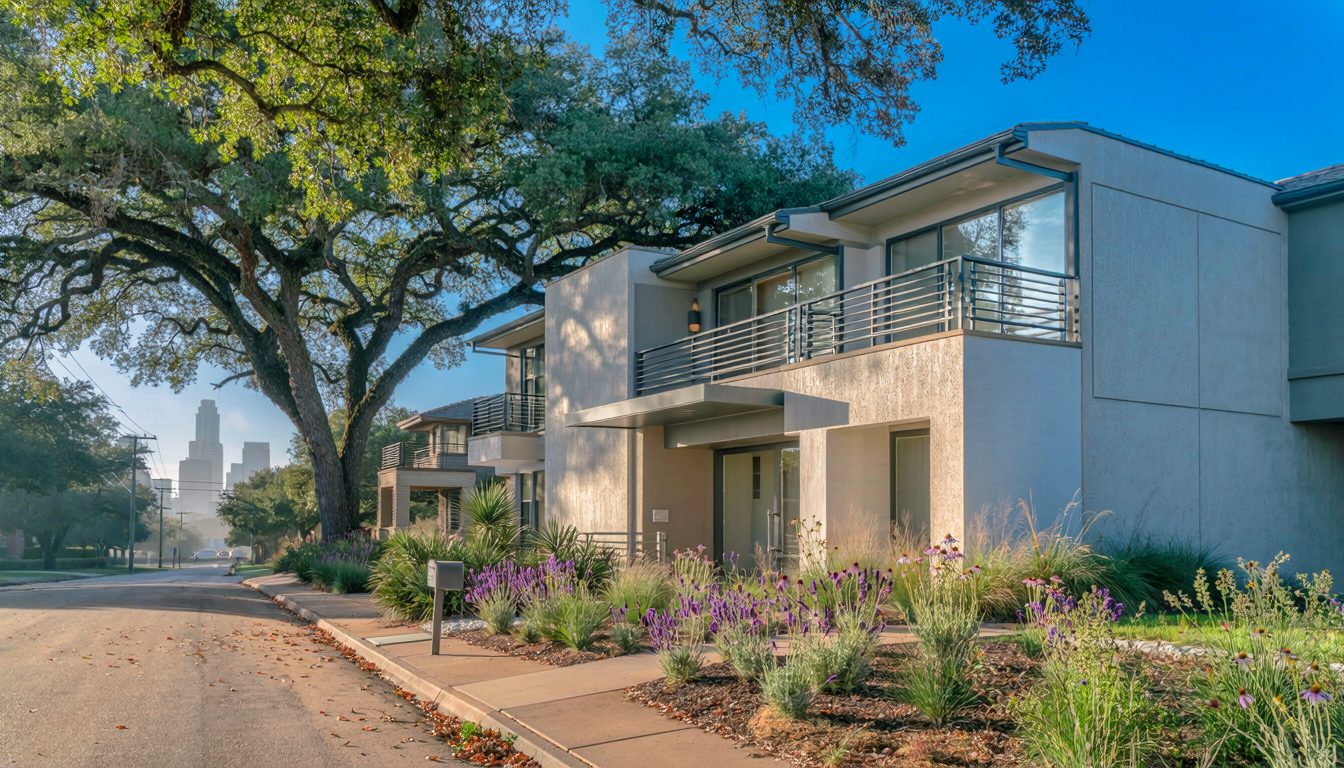
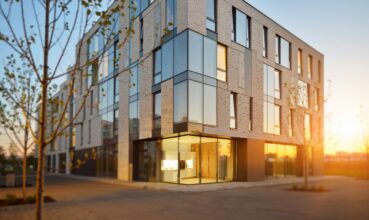
Austin condos have taken a harder hit than any other part of the city’s housing market. Prices have fallen by nearly a third since their 2022 peak, according to Zillow data – a steeper drop than single-family homes, which Alex Bartram, broker and principal of Austin Marketing + Development Group, says are down roughly 25 percent from their highs.
For buyers, the more useful questions are why prices fell and whether the slide is ending. Bartram attributes about 90 percent of the correction to oversupply rather than weak demand, and that oversupply is now clearing. That shift matters for condos because they compete directly with rentals. When the glut made renting cheaper than owning, condo values fell furthest; now that renters are filling apartments faster than new ones open and rents have ticked up for the first time since 2022, buying looks better by comparison. Already, a distinct mix of buyers has stepped in at prices that look nothing like the downtown towers most outsiders associate with Austin.
Too Much Investment
The correction began with a miscalculation about Austin’s size. Between 2020 and 2022, a steady run of corporate announcements – Tesla’s Gigafactory and new campuses for Apple, Oracle, and IBM – convinced investors that Austin belonged alongside Dallas and Houston as a Texas growth play. Austin ended up building far beyond its size. The metro has about a third as many residents as Dallas–Fort Worth or Houston, yet in the year ending in late 2023 it finished nearly as many new apartments as either – roughly three times as much new housing per person.
The boom and the bust came in sequence. While the money was pouring in, demand ran ahead of what the city had, and purchase prices for homes and condos climbed to levels that made little sense relative to rents. That same money funded the wave of new buildings, which took years to finish. Once they opened, Austin had far more housing than it could fill, rents fell, and renting became cheaper than owning – so condo values, which compete most directly with apartments, fell the furthest.
Because the problem was supply, the recovery depends on that supply running out, and it is. Nearly everything started during the boom has now opened, few new projects have broken ground since, and the cranes that crowded downtown for years are gone. Apartments are filling faster than new units arrive, and rents rose in the second quarter of this year for the first time since 2022 – a small gain, but the end of a long slide.
Four Kinds of Buyers
As prices have reset, four kinds of buyers have stepped in at the more attainable end of the condo market, according to Bartram. First-time buyers make up one group, looking to stop renting and get a foothold in ownership. Empty nesters downsizing and investors make up another – though investors have thinned out, because current financing costs make it harder for the numbers to work.
A third group surprised Bartram: second-home buyers whose primary residence is in another city, state, or country, and who come to Austin often enough for work or family to want a place of their own. Most of them pay cash. “They tend to skew older, they have a lot of cash, they want to get some money out of the stock market, and they’re just kind of looking for a place to park it,” Bartram says. He sees them as part opportunists and part beneficiaries of an uneven economy that has left some households flush – buyers with money to spare who read Austin’s soft market as a chance to buy low. He saw little of this group until the last couple of years.
The fourth group is the newest: workers called back to Austin by return-to-office mandates. Austin has one of the highest shares of remote workers of any large U.S. metro – about one in four people in the area work from home – and Bartram suspects some remote employees of Austin companies have kept Austin addresses on paper while living somewhere else. Texas has no state income tax, so an Austin address can spare a worker the tax owed where they actually live and keep up the appearance of being based where the employer expects. Those workers counted toward Austin’s job base without adding to its housing demand. As employers call staff back, some of them now need homes in the city, and Bartram has already met buyers in exactly that position.
What Buyers Weigh
For buyers at this end of the market, monthly cost comes first, according to Bartram. HOA fees matter when dues approach a thousand dollars a month, and insurance works in Austin’s favor, since the city largely escapes hurricanes, tornadoes, and earthquakes.
What has changed is the weight buyers put on lease flexibility. Austin condo associations have long required minimum leases of six months or more and capped investor ownership – rules that trapped owners who needed to move once prices fell. Some of Bartram’s own clients ended up with “this condo that they can’t sell and the HOA won’t let them rent it out,” he says. Buyers now seek out associations that let them rent if they need to, and at one of Bartram’s South Austin projects, which sets no minimum lease, many buyers are remote workers who rent their units while they travel.
Location tends to be settled before the search begins. In the 78704 zip code – home to South Congress and Zilker Park – buyers rarely weigh other neighborhoods; they weigh owning against renting, and with the median single-family home there above $1 million, more price-sensitive buyers land in condos. A single condo resale typically sells in about 60 days, while a marketed development moves about three units a month.
What Comes Next
The correction has also reset the math of living in Austin. Property that pays for itself through rent, which Bartram found rare for most of the years since he started in real estate in 2011, is now within reach, and Austin has the lowest rent-to-income ratio of any large U.S. metro, according to a recent Apartments.com analysis. Bartram expects that affordability to keep drawing employers that want a lower cost of living for their workforce – and with them, the demand the market needs to absorb what remains of the glut.
Bartram also sees a change in who the city attracts. During the boom, he says, many people moved to Austin to make a quick profit; the correction has washed many of them out, and the city is becoming affordable again for the artists and entrepreneurs who gave it its appeal in the first place. Whether prices have hit bottom remains a judgment call, and Bartram doesn’t pretend otherwise – the apartment building he is buying himself, he says, will prove either a great decision or a terrible one.
About the Expert: Alex Bartram is the broker and principal of Austin Marketing + Development Group in Austin, Texas, where he specializes in development marketing and luxury brokerage in central and West Austin.
This article is intended for informational purposes only and does not constitute legal, financial, or investment advice. The views and opinions expressed herein reflect those of the individuals quoted and do not represent an endorsement of any company, product, or service mentioned. Readers should conduct their own due diligence and consult qualified professionals before making any investment decisions.