

The short-term rental industry has gone through a significant reset since the pandemic-era boom of 2021 and 2022. Markets that once seemed endlessly profitable have cooled, supply has grown,...

San Diego, California's Midterm Rental Market Is Getting More Crowded

Written by:
Date:
22 Jul 2026
Share via Facebook

Share via Linkedin

Share via X

Copy to clipboard

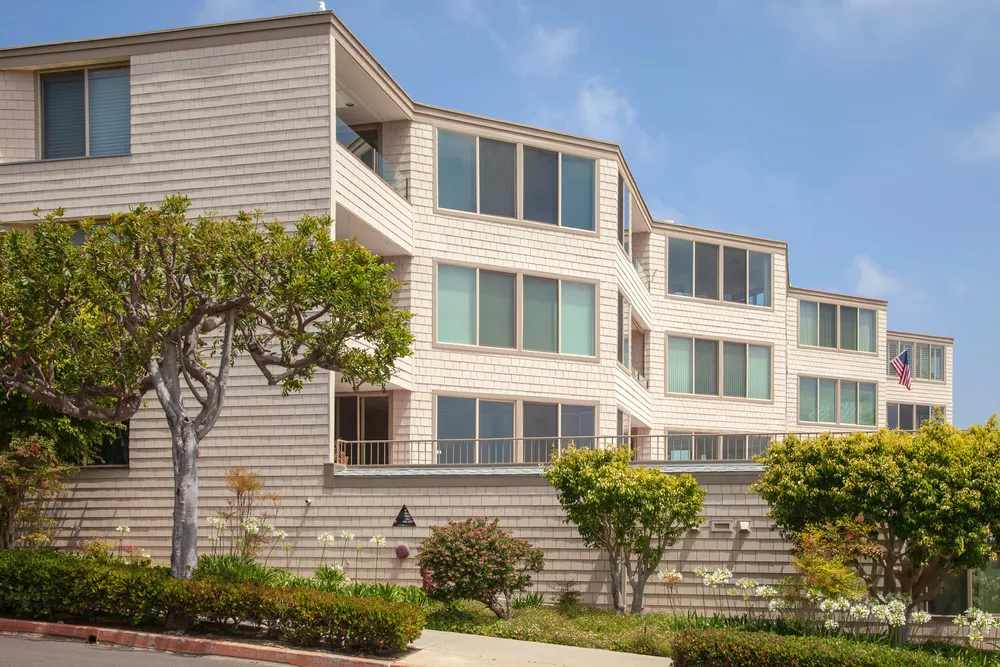
The midterm rental segment in coastal San Diego, stays of one to six months, fully furnished, has attracted a wave of new operators over the past two years. Many are former short-term rental hosts pivoting in response to regulatory pressure and seasonal volatility. The result is more supply competing for the same pool of demand, where the operators who survive are the ones building direct booking channels rather than relying on listing platforms.
Daniel Grandfield, Founder & Broker at Elysian Pads, manages roughly 80 furnished rentals in coastal San Diego, most booked on midterm stays of three to six months. His firm’s tenant mix – Department of Defense contractors, insurance-displaced residents, travel nurses, corporate relocations, and seasonal visitors – reflects the city’s unusual economic geography, where military installations, hospitals, and beaches all generate distinct demand within a few miles of each other.
Direct Bookings
The split between booking sources at Elysian Pads reveals where durable demand actually lives. Platforms like Airbnb, Furnished Finder, Zillow, and Apartments.com account for roughly 30% of the firm’s bookings. The remaining 70% come through direct channels – business-to-business relationships with government contracting firms, insurance relocation companies, and corporate housing providers.
That ratio matters because platform-sourced bookings are price-sensitive and seasonal, while direct bookings tend to be steadier and less exposed to rate competition from new supply entering the market. “The government contractors, the insurance housing, corporate housing, it’s all going to be referral-based or business-to-business booking,” Grandfield says.
According to Grandfield, the firm maintains over 90% annual occupancy across its portfolio, a figure he attributes to diversifying across tenant types so that seasonal softness in one category gets offset by demand in another.
Matching Properties to Tenants
The firm’s approach is to match property characteristics, bedroom count, and proximity to specific employment centers to specific demand sources rather than marketing generically.
One-bedroom condos attract digital nomads, travel nurses, and snowbirds. Two- to four-bedroom units serve DoD contractors, who prefer more space and have defined housing budgets. Beach-adjacent properties pull vacationers and seasonal residents. Units near hospitals draw healthcare professionals who prefer short commutes.
“I know their budget, and I know the location they want to be in,” Grandfield says of the DoD contractors who represent the firm’s primary focus. “So I’ve just been tailoring our portfolio to those specific areas.” The firm has deliberately narrowed its geographic footprint to coastal San Diego rather than spreading across the metro, concentrating inventory where its core tenants want to be.
“Set It and Forget It”
A common assumption about midterm rentals is that once a tenant is placed for three to six months, the property requires minimal attention. Grandfield pushes back on this directly. Maintenance calls, emergency repairs, and issues from neighboring units don’t pause because a lease is longer than a week.
“Just like anyone who’s renting a property for a day, a month or for a year, if there’s a maintenance issue or safety issue, it’s going to affect your rental unit,” he says. The firm uses vacancy windows for preventative maintenance, servicing HVAC systems, and deep-cleaning appliances to reduce in-tenancy disruptions. Properties that were poorly maintained before entering the midterm market generate constant service calls, which erode the income advantage over traditional long-term leasing.
The Primary Vacancy Lever
When units sit empty longer than expected, Grandfield says the cause is almost always price rather than location, given the firm’s concentrated geography. The company evaluates and adjusts pricing weekly to stay competitive with growing supply. “If it’s a slower time of year, there’s not as much demand. People are going to expect to pay less.”
The seasonal pattern in San Diego is more pronounced than outsiders might expect. Summer months are peak season, spring and fall stay busy, but November through January slows noticeably. Last winter was “definitely noticeably slower than the year before,” a shift Grandfield connects to the broader economic climate affecting discretionary travel.
Proposed Regulations
Two policy discussions are on Grandfield’s radar. One involves a per-bedroom annual fee on short-term rentals: $5,000 per bedroom per year. The other is a proposed second-home tax. Neither targets midterm rentals directly, but both could push supply into the segment.
“If there was a fee per bedroom every year, a lot of people would move from the short-term rental market specifically into the midterm rental. And that would have a lot more supply while the demand would stay the same,” Grandfield says. A second-home tax could have the opposite effect on a different slice of inventory, forcing part-time residents to rent full-time, potentially pulling some units out of the midterm market entirely.
For operators already competing on thin occupancy margins during slow months, either scenario intensifies the pressure to hold direct booking relationships that insulate against platform-level price wars.
From Midterm to Long-Term
The firm has recently added unfurnished long-term rentals to its portfolio, a move driven by an observed pattern: many midterm tenants are people relocating to San Diego who need temporary housing while they find a permanent solution. “We’ve already done the background checks on them, we’ve already established they’re good tenants,” Grandfield says. “So moving them into these long-term rentals is a great option for us.”
The brokerage side of the business handles purchase transactions for tenants who decide to buy, creating a pipeline that moves a single client from midterm guest to long-term renter or homeowner. Grandfield describes this as “a natural transition because we’re already housing them.”
The firm also runs what Grandfield calls “the hybrid method,” converting some properties to short-term rentals during San Diego’s peak summer season and returning them to midterm stays for the remaining nine months. The approach helps eliminate vacancy during slower months when midterm demand drops.
About the Expert: Daniel Grandfield is Founder and Broker at Elysian Pads, managing approximately 80 furnished rentals in coastal San Diego with a focus on midterm stays of one to six months.
This article is based on information provided by the expert source cited above. It is intended for general informational purposes only and does not constitute legal, financial, or real estate advice. Readers should conduct their own research and consult qualified professionals before making any real estate or financial decisions.
Similar Articles
Explore similar articles from Our Team of Experts.