The Ithaca, New York housing market is settling into a more measured pace in 2026, with rising inventory, longer days on market, and a gradual return of buyer negotiating power, reshaping conditions that, just a few years ago, heavily favored sellers. For a market anchored by two major universities and a growing healthcare sector, the cooling reflects broader national trends while carrying some distinctly local characteristics.
Linda Santos, a Licensed Associate Real Estate Broker with Warren Real Estate‘s downtown office, offers a ground-level view of what’s changing. Warren Real Estate is a family-owned brokerage that has operated in the region since 1953.
A Market Built on More Than Academia
Ithaca’s reputation as a college town, home to both Cornell University and Ithaca College, tends to dominate perceptions of the market from outside. But the area’s appeal runs deeper. Natural features, including gorges, lakes, farmland, and vineyards, draw buyers seeking a lifestyle that larger metros cannot offer. Healthcare rounds out the economic base as the region’s third-largest employer, alongside the universities, as a key driver of housing demand.
“Once you drive five minutes out of Ithaca, you can be in beautiful farmland or in vineyards,” Santos notes. “Hiking trails, waterfalls, lakes, everything that you would think of for outdoor recreation is generally available here.”
This combination of institutional stability and natural amenity has historically insulated the market from the sharper swings seen elsewhere. That resilience remains, though the current environment is clearly more complex than it was during the post-pandemic surge.
Inventory Up, Closings Down
The headline numbers through April 2026 tell a nuanced story. New inventory is up 27.5% year-over-year, while contracts are up 9.5%, but closed sales have dipped slightly. Santos attributes the dip in closed sales largely to a difficult February, when harsh weather kept both buyers and sellers on the sidelines. She expects the trend to normalize through the third and fourth quarters.
Average sale prices in the city of Ithaca have continued to climb, moving from $402,000 last year to $424,000 through April 2026. More telling is the change in days on market, which has nearly doubled, from 14 days in 2025 to 28 days in 2026, a 91% increase. That single metric captures the broader mood better than any other data point.
Santos counsels her sellers to consider the rising inventory level and the pace at which homes are moving as they prepare to come on the market. Longer DOM indicates more pressure on sellers to remain top of mind with buyers; everything needs to be considered: condition, price, needed repairs or updates, and competition from other listings.
Buyers Regaining Ground
After years of compressed timelines and waived contingencies, buyers are beginning to recover some leverage. Inspections are returning. Negotiation on repairs is happening again. Sellers who understand the new dynamic are adjusting; those who don’t are watching their listings sit.
Santos observes that buyers have largely accepted current price levels and interest rates, but are being more deliberate about what they offer. That caution is partly practical. At a $424,000 average price point, in a state with some of the highest property tax burdens in the country, the math on monthly carrying costs leaves little room for error. Buyers are understandably wary of properties requiring significant renovation, particularly given the scarcity and cost of skilled tradespeople in the area.
Santos points to a striking local example: adding a single bathroom to a city home is now drawing contractor quotes of $70,000 or more. That reality makes turnkey properties significantly more attractive and competitive, while pushing buyers away from fixer-uppers that might have seemed like reasonable projects a few years ago.
Where Deals Break Down
When transactions do fall apart, the culprits are familiar: inspection issues, title complications surfaced by attorneys, and financing disruptions caused by closing delays that push buyers into higher rate environments. Santos notes she has avoided deal failures in her own book this year, but back-on-market listings have become more visible across the broader inventory, a sign that not all transactions are proceeding smoothly.
Multifamily Losing Its Appeal
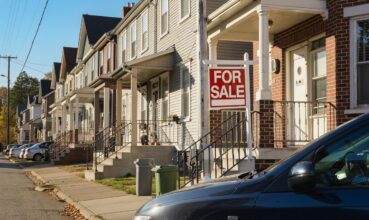
One of the more notable developments Santos flags is in the multifamily segment, which has historically been a reliable performer in a university market with persistent rental demand. A review of multifamily listings from roughly two months prior showed approximately half of the properties listed had not sold in the prior year, a meaningful departure from past performance.
The combination of aging housing stock, deferred maintenance, and compressed returns is making the math harder for investors. “The profit margin seems to have evaporated for multi-families that we used to see selling very easily,” Santos says. Properties that aren’t priced to reflect their condition and income potential are simply sitting.
Lakefront Properties Remain a Bright Spot
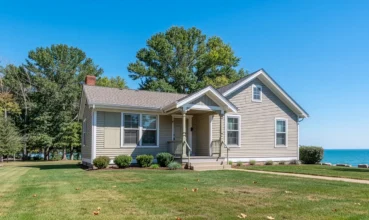
While the city’s residential market cools, lakefront properties along Cayuga and Seneca Lakes are telling a different story. Based on sales data from the prior 365 days across both lakes, the average closed price sits at $819,000, with an average price per square foot of $509. Those figures represent 126 transactions, a meaningful sample for what is still a specialized segment.
Active lakefront inventory currently spans 30 properties, ranging from a modest camp-style property at $257,000 to a newly listed home at $3,295,000, priced at $1,000 per square foot. A $7 million lakefront home recently appeared on the market, a price point Santos describes as unprecedented for Cayuga Lake.
“The desirability of the lake properties does not seem to be waning at the moment,” she notes. Whether the top end of that market can find buyers remains to be seen; the $3.295 million listing had been on the market for 135 days at the time of the interview.
Looking Ahead
Santos is measured in her outlook for the next twelve months. If interest rates hold steady, she expects a business-as-usual year. If they fall, activity could pick up. If they rise alongside continued inflationary pressure, some contraction is likely.
Longer term, she points to a demographic headwind that is easy to overlook in a market defined by its universities. The college-age population in the United States is projected to decline over the next decade, which could eventually soften the institutional demand that has long underpinned Ithaca’s housing stability. “In the next decade, we might be having a different scenario out here,” Santos says.
For now, the market is finding a new equilibrium, one where buyers have more options and more time, sellers need to be realistic about pricing and condition, and exceptional properties still move quickly when they’re priced right. The frantic pace of 2021 and 2022 is gone, but the fundamentals that make Ithaca an attractive place to own property remain firmly in place.
About the Expert: Linda Santos is a Licensed Associate Real Estate Broker with Warren Real Estate’s downtown Ithaca office, a family-owned brokerage that has operated in the region since 1953.
This article is based on information provided by the expert source cited above. It is intended for general informational purposes only and does not constitute legal, financial, or real estate advice. Readers should conduct their own research and consult qualified professionals before making any real estate or financial decisions.