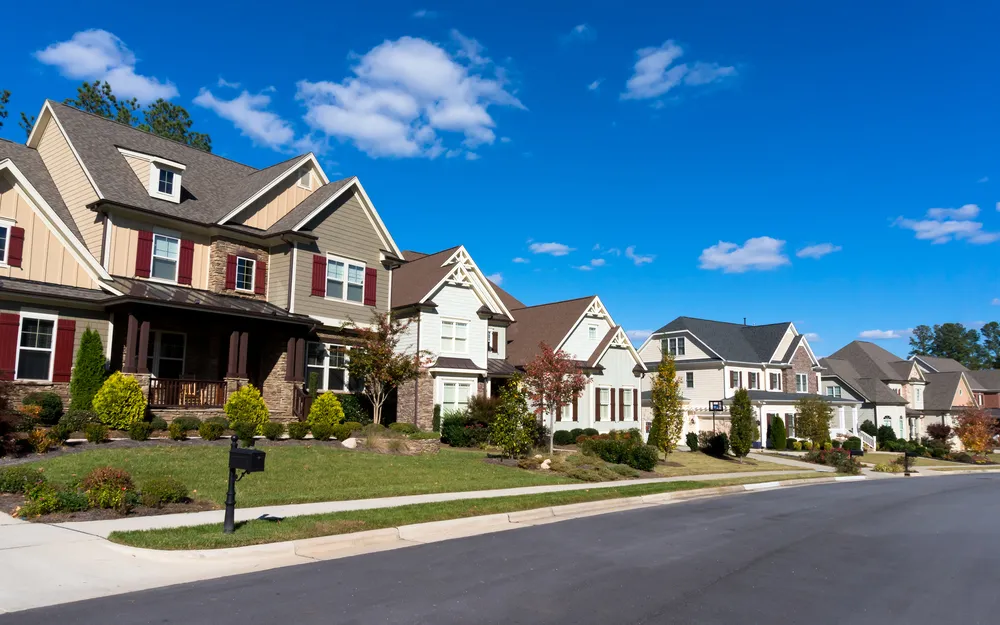
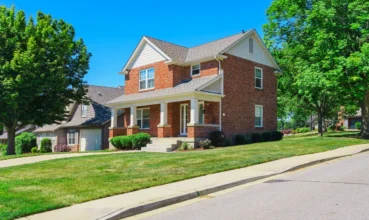
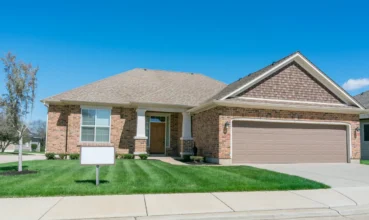
In the western suburbs of Chicago, homeowners who list above market value, banking on the idea that a motivated buyer will negotiate down, are not just sitting on stale listings. According to Michael Berg, a broker covering DuPage County and parts of Cook County, those overpriced homes function as unpaid marketing for every competitively priced house on the same block. The overpriced listing becomes the comparison that makes the neighbor’s home look like a deal.
Berg, who spent years as a licensed appraiser before moving to the brokerage side, says the most common mistake sellers make is anchoring their expectations to a neighbor’s fast sale or to an automated home value estimate, and then refusing to budge.
The logic sounds reasonable on the surface. If the market is still hot, why not test a higher price? But Berg describes what actually happens from the buyer’s side: when buyers touring multiple homes encounter one that feels overpriced relative to what else is available, they don’t counteroffer. They move on. As Berg puts it, buyers who sense a home is overpriced tend to think, “well, let’s just wait and see what else comes on the market.” While they wait, a comparable home nearby lists at a sharper price and gets the offer.
Overpriced Homes Subsidize the Competition
The damage goes further than a slow sale. Berg argues that an overpriced listing actively improves the competitive position of every other home in the area. Buyers comparison-shop, and a home listed well above its realistic value resets the frame. Suddenly the house next door, priced closer to market, looks like a bargain by contrast. “Your home is helping all the other homes sell because they’re comparing your house to the other houses,” Berg says.
This is not a theoretical risk. Two years ago, Berg had a listing that received 40 offers in two days. Now, multiple offers – if they come at all – might mean two or three bids. Sellers have far less room for error. The cushion that once allowed an ambitious asking price to still attract interest has thinned considerably.
Automated Estimates
Many sellers check automated valuation tools before ever speaking with an agent. Those estimates, in Berg’s experience, are wrong roughly half the time. But they anchor the seller’s expectations in a number that feels official, making it harder for an agent to introduce a lower – and more realistic – figure.
Sellers also extrapolate from anecdotal evidence. They hear a neighbor sold in one day and assume they will too, without accounting for differences in condition, upgrades, or timing. The result is a listing price built on optimism rather than comparable sales data.
What Changes a Seller’s Mind
Correcting an overpriced mindset turns out to be harder than presenting data. Berg, who can draw on years of appraisal training, says even that credential has limits when a seller is emotionally invested in a number. “I can tell them I’ve been an appraiser forever, but it doesn’t really help until that can prove it,” he says.
What does work is getting sellers physically inside a competing home. If a comparable property is on the market nearby, Berg suggests the seller visit it before finalizing their own list price. Once a seller walks through a similar home and sees its condition and price, the abstract argument about market value becomes concrete. His pitch to reluctant sellers is direct: “Why don’t we go look at that house and see where they’re priced at?”
The risk for sellers who resist is not just a longer time on market. As the western suburbs continue to normalize – Berg describes homes moving from selling in two to four weeks back toward something closer to a traditional pace – overpriced listings face a compounding problem. Each week without an offer erodes perceived value, while new, better-priced inventory arrives and draws the same buyer pool away. The seller who held firm at an ambitious price may eventually cut it, only to find the buyers who would have paid fair value three weeks earlier have already closed on the neighbor’s house.
For sellers in DuPage County considering a fall or winter listing, that compounding effect hits harder. Buyer activity cools seasonally, and Berg notes buyers now react to even a quarter-point rate increase by pulling back. In that environment, an overpriced listing is not a negotiating tactic. It is a gift to the competition.
About the Expert: Michael Berg is a former licensed appraiser who has worked the western suburbs of Chicago for 22 years.
This article is intended for informational purposes only and does not constitute legal, financial, or investment advice. The views and opinions expressed herein reflect those of the individuals quoted and do not represent an endorsement of any company, product, or service mentioned. Readers should conduct their own due diligence and consult qualified professionals before making any investment decisions.