Year-over-year home price declines near 20 percent in Austin, Texas, have made national news, painting a picture of a market in retreat. But that number blends two very different markets, according to Nitin Kumar, a residential agent and investor with eXp Realty in Austin. One is the established suburbs near Austin’s job centers. The other is the far-flung outer-ring towns that boomed and crashed during the pandemic. Buyers or sellers who treat the combined figure as local truth could badly misjudge what their own neighborhood is doing.
Kumar sold 103 homes last year and has roughly 85 closed or under contract so far in 2026. He owns about 50 properties in the metro. His argument is direct. Austin’s market data sweeps in distant suburbs that saw a pandemic-era spike followed by a severe crash. Those suburbs drag down the numbers for established communities, where prices have held up far better.
Outer Suburbs Skew Data
After 2020, small towns on Austin’s outer edges, such as Elgin, Jarrell, Killeen, and Bastrop, saw explosive growth. Kumar has lived in the metro since 2010. Even after a decade in the area, he says, he had not heard of some of those towns before 2020. Pandemic-era demand and an influx of tech workers following relocating companies pushed prices up dramatically. Kumar says values in those outer suburbs roughly doubled during the boom. They then gave back 70 to 80 percent of those gains once demand cooled.
The correction was severe because those communities lacked the basics to support boom-era prices. “They don’t even have the amenities. They don’t even have the population,” Kumar says. Infrastructure lagged behind construction. When demand returned to normal, prices fell sharply.
Core Suburbs Hold Up
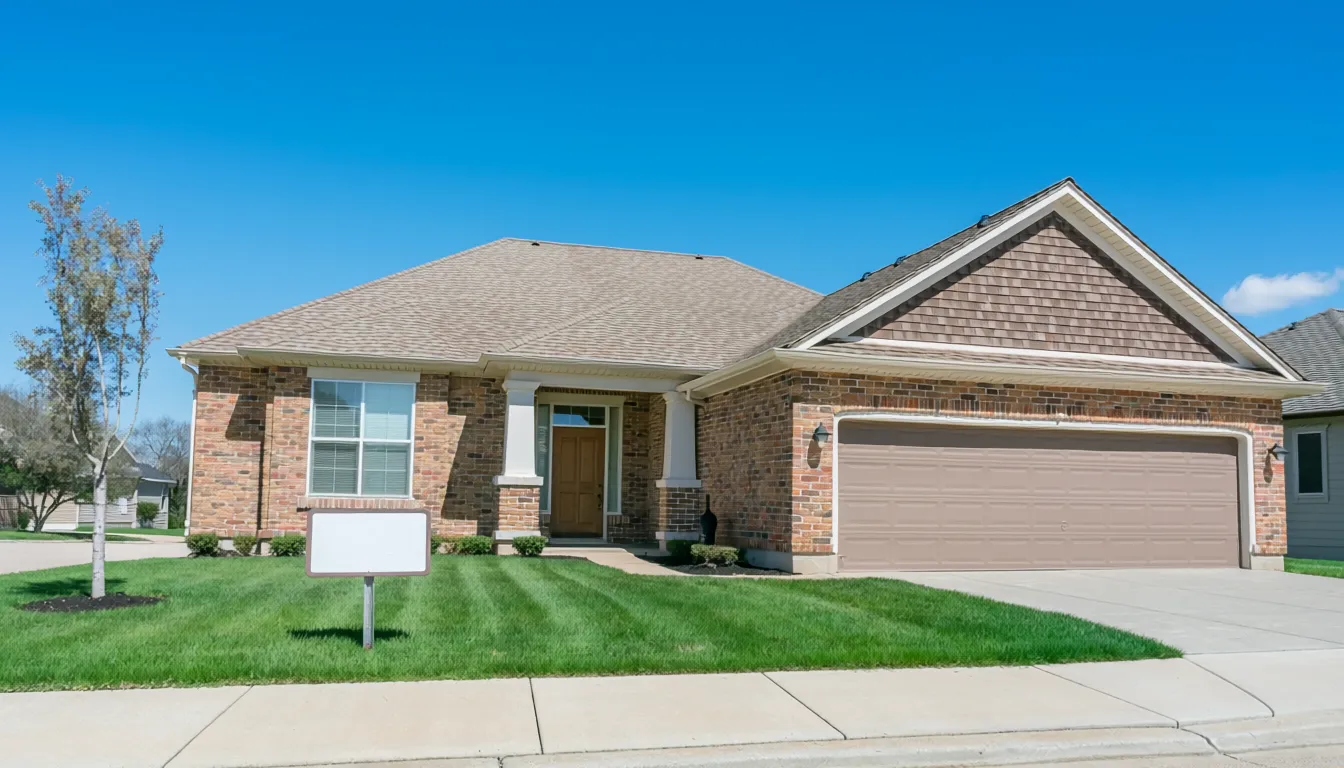
Established communities closer to Austin’s job centers look very different. These include Round Rock, Cedar Park, Leander, and Pflugerville. Kumar estimates prices in those areas are down roughly 10 to 20 percent from their pandemic peaks. That drop resembles a normal cooling period rather than a collapse.
Inventory data supports that difference. Round Rock has about 120,000 residents. Kumar says fewer than 40 new-construction homes were listed on the multiple listing service (MLS) when he last checked, and the count rarely tops 50. Those homes are spread across three or four projects, with prices starting around $700,000. That is not a market with excess supply. “I think it is unfair for Austin the way the data is pulled up,” Kumar says. When analysts combine outer-ring crashes and stable core suburbs in one dataset, the metro-wide number does not reflect what most buyers in established areas will find.
Downtown Condo Discounts
Downtown Austin’s condo market is another segment the metro-wide figure does not capture. Kumar says buyers canceled roughly 30 percent of contracts in some downtown buildings after prices fell from their pandemic peaks. Those units are now selling. Kumar says he sold six condos in one building and eight in another over two months. Prices were roughly 30 percent below peak levels. According to Kumar, builders have sold about 15 percent of canceled units in the last six months. They often work directly with agents rather than listing prices publicly.
For buyers ready to act now, downtown condos offer discounts from peak pricing. Many of these sales happen off-market. Buyers who rely only on public listings may miss them.
Buyer and Seller Takeaways
For buyers, the practical risk is basing expectations or an offer on a 20 percent decline that does not apply to their target neighborhood. A home in Round Rock is not discounted the same way as a home in Jarrell. Buyers who expect crash-level pricing in a core suburb could lose the home to someone who read the local data more carefully.
For sellers in established communities, metro-wide headlines may scare off buyers or push sellers to list lower than necessary. Kumar says the core areas remain stable. Prices are not surging, but they are not collapsing either.
Kumar expects the market to face more difficulty over the next six months. He says conditions could ease around March 2027. He attributes the current pressure mainly to interest rates. “This is not a buyer’s market. This is not a seller’s market. This is actually an investor market,” he says. He says the volume of deals available makes this the best time to invest.
If analysts pulled data only from the core communities, Kumar says, “this data will not be a 20 percent year-over-year decline. It will be very consistently stable.” The gap between the headline number and the neighborhood number is wide enough to change what a buyer offers, how a seller prices a home, and whether either acts at all.
About the Expert: Nitin Kumar is an agent with eXp Realty, covering the Austin, Texas metro area, and has lived in the region since 2010.
This article is intended for informational purposes only and does not constitute legal, financial, or investment advice. The views and opinions expressed herein reflect those of the individuals quoted and do not represent an endorsement of any company, product, or service mentioned. Readers should conduct their own due diligence and consult qualified professionals before making any investment decisions.