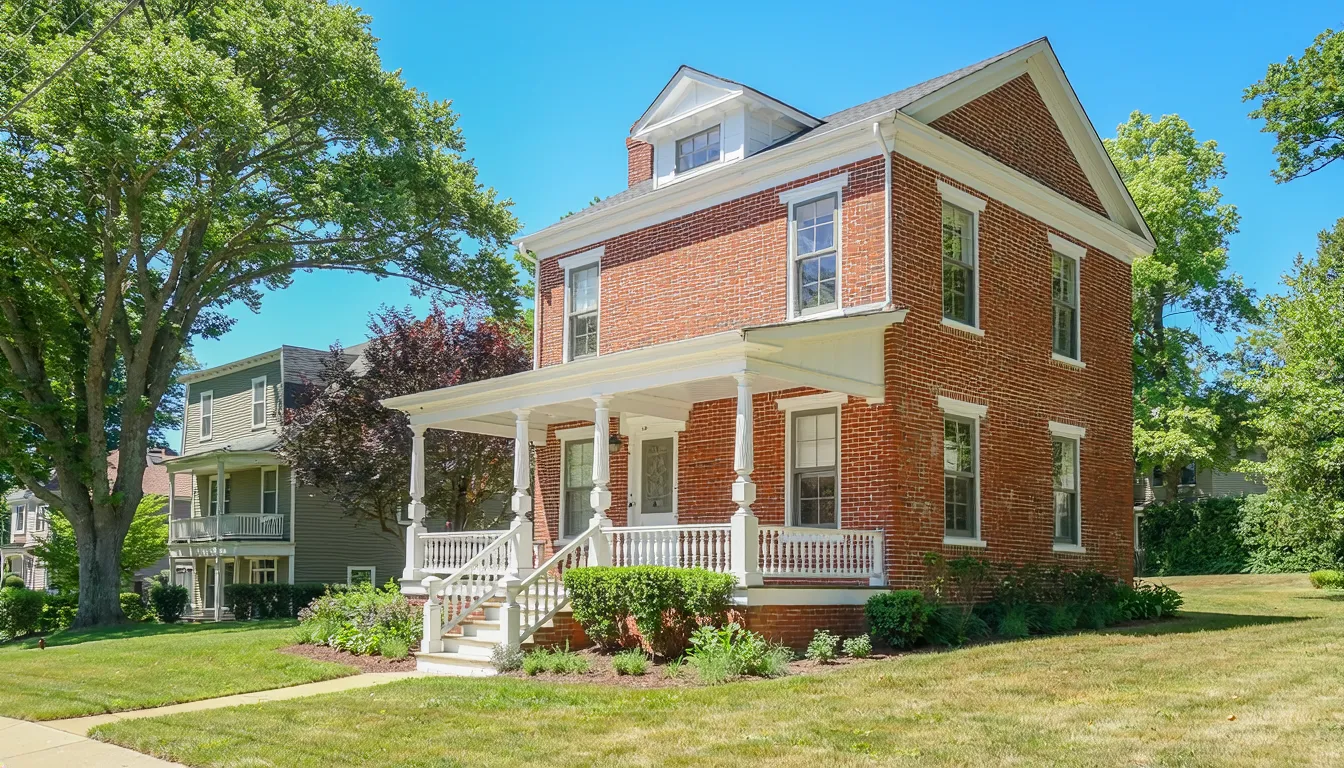
In Cincinnati, a home insured for decades can become hard to insure the moment it changes hands. Many houses built before the 1930s still have knob-and-tube wiring, an early electrical system that runs ungrounded wires along porcelain knobs and through porcelain tubes. Buyers of these homes often hit a barrier many buyers and sellers don’t expect until they are deep into a transaction: they can’t find an insurer willing to write a new policy.
Erin Fay, a real estate agent with Close to Home Consultants at Keller Williams in Cincinnati, recently had a listing that illustrated the problem. The home had knob-and-tube wiring. The buyer contacted about 30 insurance brokers, and “they all said they would not insure it,” Fay said. Much of Cincinnati’s housing predates the 1930s, so her listing is not an isolated case. It reflects a risk built into the local market.
New Buyers Lose Coverage
The distinction that catches people off guard is between existing policyholders and new ones. Insurers will generally keep covering a homeowner who already has a policy on an older home, according to Fay. But when that home sells, and the new buyer applies for coverage, the answer changes.
As Fay described it, insurers “will grandfather you in; they won’t drop you, but they will not write a new policy on knob-and-tube wiring.” For sellers, this means the home they have lived in and insured for years may be effectively uninsurable for the next owner. They may not realize it until the home is already under contract.
This gap between the seller’s experience and the buyer’s reality is where transactions can fall apart. A seller who has never had trouble insuring the home assumes the buyer will not either. Then the buyer learns mid-deal that no carrier will cover the home. Suddenly, the pending sale depends on someone paying for an electrical upgrade neither party budgeted for.
In Fay’s recent case, the seller absorbed the cost. “My seller had to take the hit to give the buyer the money to upgrade the electric,” she said. When rewiring becomes a last-minute concession during negotiations, it can change the economics of the sale entirely.
Pre-Inspections Before Listing
Fay’s team at Keller Williams wants sellers to identify potential deal-breakers before going to market, not after an offer comes in.
The team has discussed ordering pre-inspections before listing so sellers can be transparent about the home’s condition, Fay said. The goal is to find problems such as outdated wiring, aging roofs, or other red flags early. Sellers can then fix those issues, price the home accordingly, or disclose them upfront so buyers are not blindsided.
This shift is new for many Cincinnati sellers. For years, minimal preparation was often enough in the city’s competitive market. Fay said that is no longer the case: “You cannot just stick a sign in the yard and it’s going to sell.” Homes with challenges are sitting longer and seeing price reductions, she said. Some fail to sell entirely when insurance or repair costs catch buyers by surprise.
Cincinnati’s Split Market
The insurance problem lands unevenly across Cincinnati’s neighborhoods. Fay described the market as “a tale of two markets.” Well-maintained homes that are priced correctly and show well still attract heavy competition. Fay recently wrote an offer on a house that drew 11 offers. But homes with visible challenges, unusual floor plans, or deferred maintenance are seeing steady price drops and longer days on market.
Hyde Park, Oakley, and Mount Lookout remain more insulated from the slowdown, Fay said. These neighborhoods offer strong public schools, walkability, and well-maintained older homes. Prices on Cincinnati’s west side are lower and tend to soften earlier, according to Fay. She noted, however, that a buyer’s dollar goes farther there.
Inventory is rising across the city. But Fay said much of it consists of overpriced homes that need significant work or sit in less desirable locations. “The inventory of solid homes that buyers really want is not rising,” she said.
Preparation Now Decides Sales
Buyers considering a century-old home in Cincinnati should confirm they can insure it before making an offer. That step is now as important as the home inspection itself. Sellers face steeper costs when problems surface at the negotiating table. Fay noted that labor and materials are more expensive than ever, which makes last-minute concessions increasingly painful.
Fay said buyers want move-in-ready homes. “They don’t want to do work more than I’ve ever seen,” she said. “They find it to be costly. They don’t know who they’re going to hire.”
For sellers of older homes, the preparation that once seemed optional now determines whether a listing sells or stalls. That includes pre-inspections, upfront repairs, and honest pricing.
About the Expert: Erin Fay is a real estate agent with Close to Home Consultants at Keller Williams, covering Cincinnati, Ohio, and has been selling homes full-time since 2011.
This article is intended for informational purposes only and does not constitute legal, financial, or investment advice. The views and opinions expressed herein reflect those of the individuals quoted and do not represent an endorsement of any company, product, or service mentioned. Readers should conduct their own due diligence and consult qualified professionals before making any investment decisions.