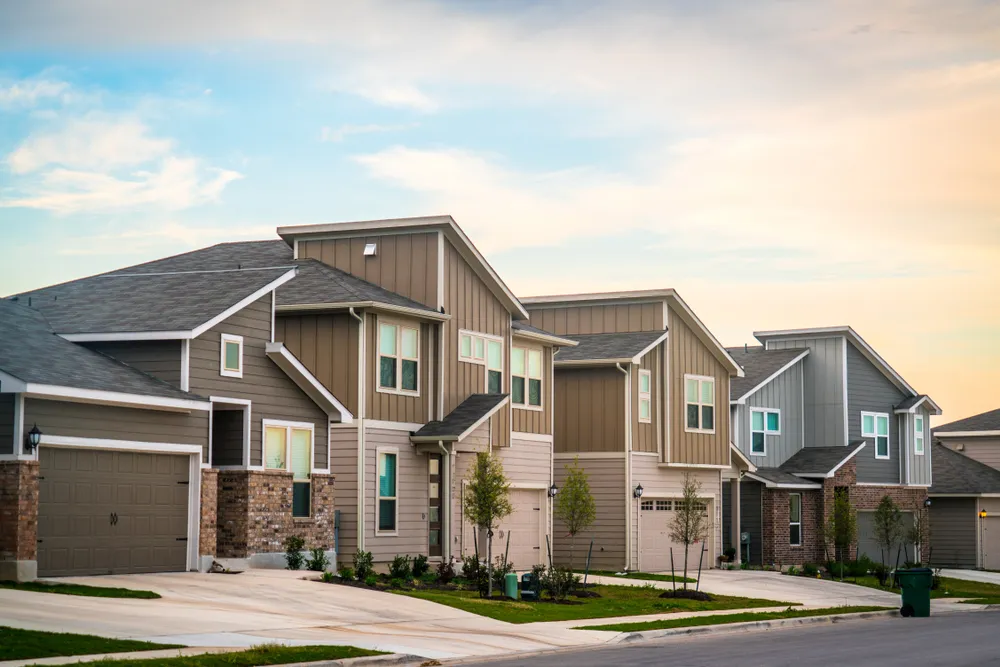
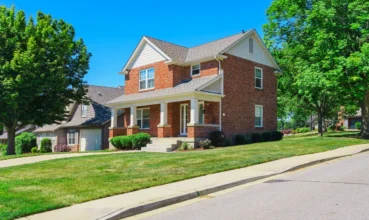
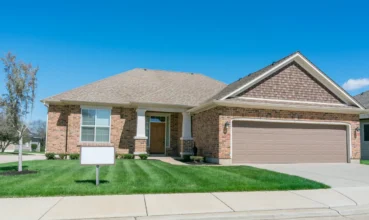
The model homes dotting Austin’s northern suburbs come with rate buy-downs, closing cost credits, and move-in-ready kitchens. But the purchase price often hides at least three costs that can push a household toward financial distress within the first two years of ownership.
None of these costs show up on a listing sheet or during a walkthrough. They only become visible once a buyer is already under contract or living in the house, which is why so few people budget for them in advance.
The Property Tax Surprise
According to Batya Porter, a real estate agent and property tax consultant with Horizon Realty in North Austin, the first surprise hits when the county reassesses the property. Porter, who works the corridors of Round Rock, Georgetown, Cedar Park, and Liberty Hill, says new construction in this region tends to “give the illusion of affordability, but there’s not longevity with it.”
In Texas, new builds are often taxed at land value only during the first year of ownership. That means the escrow account, which covers the portion of the monthly mortgage payment for taxes and insurance, collects far less than what the county will actually demand once it values the completed home. Porter describes a scenario where a home purchased at $600,000 is initially taxed as if it were worth $85,000. After year one, the county corrects the assessment, and the homeowner owes thousands in back taxes. When that shortfall gets rolled into the following year’s monthly payment, the increase can be dramatic. “Your monthly payment just went up about $900, and now you can’t comfortably afford the house,” Porter says.
New construction communities also tend to carry higher property tax rates than established neighborhoods, Porter notes, because fewer homes share the taxing burden. That rate difference compounds the reassessment problem. Buyers face both a higher tax percentage and a higher assessed value after year one.
Quality and Resale Risks
The second issue is structural. Homes in these developments are completed on compressed timelines. Porter notes that a given house “was built in four to six months,” compared to older resale homes that took considerably longer to construct. Her inspectors often flag compressed pipes as a concern. Foundations and plumbing may not have enough time to settle before heavy equipment moves over them. A buyer who skips a sewer scope inspection may not discover the problem until repairs cost thousands of dollars.
The third cost does not appear until you try to sell. If you buy into a development that is still being built out, your resale competes directly with brand-new homes that offer builder incentives you cannot match as an individual seller. Austin’s market already ranks among the most saturated in the country in terms of inventory. That competition can make it nearly impossible to sell without incurring significant losses in the first few years.
Who Should Buy New
None of this means new construction is always the wrong choice. Porter sold six houses in a recent month, most of them new construction. In each case, she says, the buyers understood the tax trajectory, the higher rates common in newer communities, and had a plan to stay at least five to ten years. They also ordered sewer scope inspections to check for pipe compression.
The risk is highest for buyers who plan to stay only two or three years or who are stretching their budgets to qualify. Austin home values have dropped from their peak, and resale inventory remains elevated. A buyer who cannot absorb an unexpected $900-per-month increase has limited options. Selling quickly means competing with builders. Staying means paying more than planned.
For buyers considering new construction in central Texas, the practical question is not whether the home looks good on day one. It is whether the household budget can absorb a full tax reassessment in year two without strain, and whether the buyer is prepared to hold the property long enough to outlast the builder next door. Porter says she personally checks whether a property is being assessed at land only before her clients close, so the escrow shortfall does not catch them off guard. That single verification step is the difference between a manageable first year and a financial emergency.
About the Expert: Batya Porter is a real estate agent and licensed property tax consultant at Horizon Realty, serving the North Austin market with expertise in both residential transactions and Texas property tax assessment and exemptions.
This article is intended for informational purposes only and does not constitute legal, financial, or investment advice. The views and opinions expressed herein reflect those of the individuals quoted and do not represent an endorsement of any company, product, or service mentioned. Readers should conduct their own due diligence and consult qualified professionals before making any investment decisions.