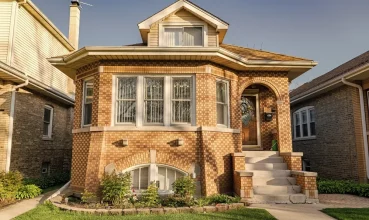
A three-bedroom rental property in Hopkinsville, Kentucky, is ready to close. The investor has cash in hand, the seller has agreed to terms, but the deal collapses when the appraisal comes in $40,000 below the contract price. The sale is dead.
This scenario is increasingly common on the Kentucky side of the Tennessee-Kentucky border, where appraisals have become a persistent obstacle for buyers and sellers. While transactions in Tennessee typically proceed without issue, Kentucky deals often fail at the appraisal stage – a trend that has persisted for nearly twenty years.
“Appraisals seem to be the common issue in Kentucky for the last 20 years,” says James Church, a commercial real estate agent and CCIM candidate with Keller Williams Commercial in Clarksville, Tennessee, who works on both sides of the state line.
Why Kentucky Appraisals Fall Short
The problem isn’t inflated prices or unrealistic sellers. Instead, it comes down to how appraisers assign value in a market that has lagged behind Tennessee in both development and transaction volume.
Appraisers rely on comparable sales to determine property values. In areas like Hopkinsville and Oak Grove, recent sales are sparse or outdated, making it difficult to justify current contract prices. Tennessee’s steady growth and frequent transactions provide a reliable basis for appraisals, but Kentucky hasn’t seen the same level of activity until recently.
As a result, properties that should appraise at market value are consistently coming in low. Lenders refuse to cover the gap, leaving buyers to either walk away or find additional cash, which many cannot do.
“If we have land that we want to have developed, and the land is not even coming in at appraisal, that can be a problem to stop an entire development,” Church explains. In some cases, entire projects are halted before they begin because the numbers simply don’t add up for lenders.
What’s Fueling Demand in Kentucky
Despite these challenges, interest in Kentucky real estate is rising. Large developments are underway, including a Buc-ee’s truck stop at Exit 89 and a 110-acre site in Oak Grove. Church is also marketing 110 acres adjacent to the Buc-ee’s location.
Hopkinsville faces a severe housing shortage, with an estimated need for 3,000 new homes to accommodate job growth and shifting demographics. This demand is not theoretical – it reflects a real shortfall in available housing as new employers and workers move into the area.
Meanwhile, Tennessee continues to attract major investments. Clarksville recently secured a $6.6 billion investment from a Korean company that will take over a local manufacturing facility, creating 14,000 to 15,000 jobs. The influx of workers increases housing demand, and Tennessee’s established appraisal and lending environment supports faster, smoother closings.
“The demand is definitely focused on Tennessee,” Church says. “It’s been a very big stigma to go across that border, to go into Kentucky.”
How Buyers Can Protect Themselves
For buyers considering Kentucky properties – whether land, multifamily, or commercial – there are practical steps to reduce appraisal-related risks:
- Order a pre-contract appraisal. Paying for your own appraisal before making an offer gives you a realistic sense of what a lender will approve. If the number is low, you can adjust your bid or walk away before investing time and money.
- Prepare for higher down payments. Deals in Kentucky now often require 30% to 35% down, compared to 20% in previous years. Lenders are more cautious, so buyers need extra cash on hand to close if the appraisal falls short.
- Focus on properties with recent comparables. Ask your agent to find recent sales within a mile or two of the property. If there aren’t any, expect the appraisal to come in below the contract price.
- Consider all-cash offers for land. Using cash eliminates appraisal risk for development sites. Buyers can refinance later, once improvements establish a clear value.
- Work with agents familiar with both states. Agents who know the Tennessee and Kentucky markets can better identify which properties are likely to appraise and which ones carry higher risk.
Advice for Sellers
Sellers in Kentucky face a market where pricing strategy is critical. Overpricing by even 10% can kill a deal if the appraisal comes in low and the buyer can’t make up the difference.
- Get a pre-listing appraisal. Knowing your property’s appraised value before listing helps you set a realistic price and avoid surprises.
- Document improvements and gather comparables. Provide appraisers with evidence of renovations, recent area sales, and any features that add value.
- Be prepared to negotiate. If the appraisal is low, consider meeting the buyer halfway or offering seller financing to close the gap. Flexibility can mean the difference between closing a sale and losing it.
What This Means for the Market
Kentucky offers real potential: new jobs, major developments, and a housing shortage that creates opportunity for both buyers and sellers. But until appraisal practices reflect current market realities, everyone involved needs to be proactive. Extra cash, early appraisals, and experienced agents are essential to getting deals done.
“You just want to make sure you double, triple check everything before making a purchase,” Church advises, “because at the end of the day, your reputation will be on the line.”
About the Expert: James Church is a commercial real estate agent and CCIM candidate with Keller Williams Commercial in Clarksville, Tennessee. He specializes in land development, multifamily properties, and cross-border transactions between Tennessee and Kentucky.
This article is based on information provided by the expert source cited above. It is intended for general informational purposes only and does not constitute legal, financial, or real estate advice. Readers should conduct their own research and consult qualified professionals before making any real estate or financial decisions.