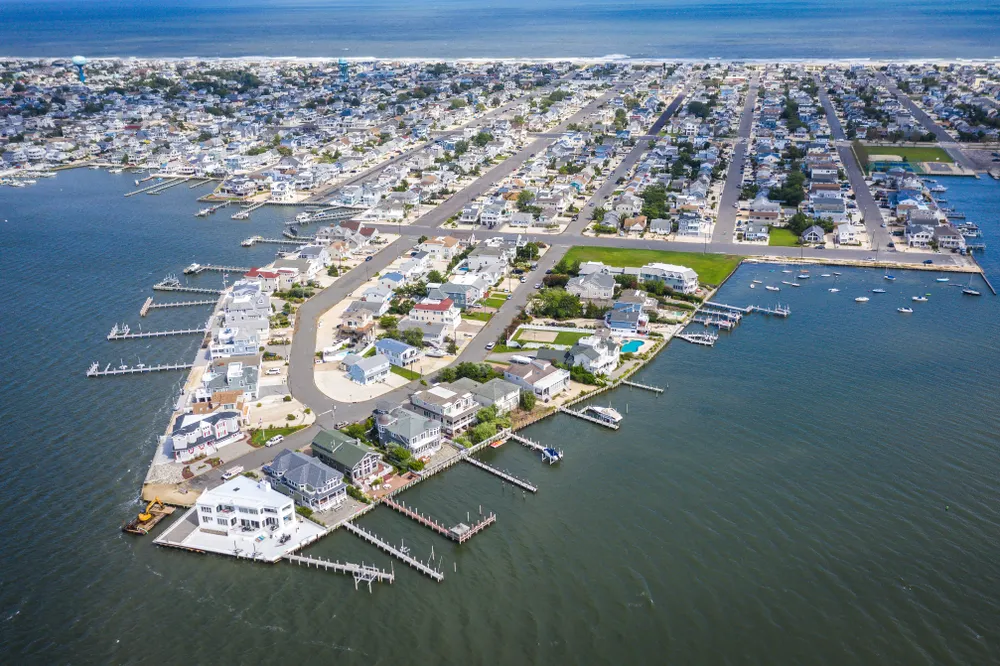
If you have been searching for a vacation home on Long Beach Island, you already know the frustration. There are almost no listings. And experts who work this market say the shortage is not a temporary blip – it is a structural condition driven by fixed land supply, protected wetlands, and buyer demand that has far outpaced what the island can offer.
Jillian Cerbone, a real estate associate with RE/MAX of Long Beach Island, has watched inventory on the 18-mile barrier island shrink to a fraction of what it was five years ago. Before 2020, buyers might see 600 to 800 active listings at any given time. Today, that number has dropped to roughly 100. In Beach Haven West, a popular lagoon community just off the island, there were once several hundred listings on the market at once. Now there are 30 to 50.
No Room Left to Build
The reasons are layered. New Jersey is one of the most densely populated states in the country, and large portions of the land surrounding LBI are protected wetlands where building is prohibited. The island itself is narrow – not just 18 miles long but also quite thin – which means the supply of buildable lots is essentially fixed. Cerbone recently saw a lagoon-front lot in Harvey Cedars sell for $1.7 million. The buyers tore down the existing structure and built a new home for approximately $4.4 million, paying close to $2 million for the land alone.
That kind of land value signals something important: the scarcity is not going to ease through new construction. There is simply nowhere left to build at scale.
Demand has not softened to match the shrinking supply. LBI draws a specific kind of buyer: families from New York, northern New Jersey, and Pennsylvania who have a personal connection to the shore, whether through childhood vacations or family history. Many are not shopping for a starter home. They are looking for a property they can pass down through generations. That emotional pull does not respond to interest rate headlines the way a primary home purchase might.
Rates Matter Less
Cerbone notes that LBI operates largely as a cash market. A significant portion of buyers are not taking out mortgages, which means the rate environment that has slowed buyers in other markets carries less weight here. The buyers who are hesitating, she says, are doing so because of broader economic uncertainty – concerns about layoffs, business conditions, and general instability – not because of financing costs.
That hesitation is real, though. Even buyers with the financial means to purchase in cash have pulled back slightly. The combination of a shaky economic backdrop and prices that have climbed sharply since 2020 has made some prospective buyers more cautious, even in the higher price ranges.
For those who are ready to move forward, the inventory crunch creates intense pressure. When a well-priced home comes to market, it does not sit. Cerbone says that homes priced at $1 million, $2 million, or $3 million are going under contract within seven to ten days when positioned correctly. The average sale price across all of Long Beach Island now sits around $2.2 million, according to Cerbone’s observations.
Know Your Priorities First
That speed puts buyers in a difficult spot. There is little room to deliberate, and few alternatives if a deal falls through. Cerbone describes the buyer conversation as starting with a clear-eyed assessment of goals, year-round living versus summer use, ocean side versus bay side, north end versus south end, so that when something does come available, the buyer is ready to act without second-guessing the fundamentals.
The north end of the island, near Barnegat Lighthouse and High Bar Harbor, offers more privacy and quieter streets. The south end, particularly around Beach Haven, has more shops, restaurants, and attractions within biking distance, a meaningful consideration if rental income is part of the plan. The distance between the ocean and the bay also varies significantly by location, which affects lot configuration and the feel of the property.
None of these tradeoffs are easy to evaluate quickly, which is part of why buyers who arrive without clear priorities tend to struggle in a market where listings disappear fast.
Flood Zone Status
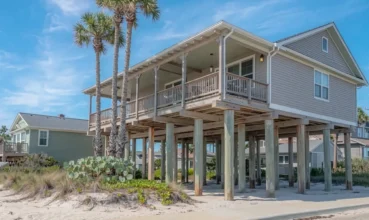
The one factor that consistently trips up unfamiliar buyers is flood zone status. Two houses on the same street can carry dramatically different insurance costs depending on their elevation and flood zone designation. Whether a home has been raised since a major storm, and whether planned renovations would trigger a requirement to bring it up to current building codes, can add tens of thousands of dollars to the true cost of ownership. “This is now a standard part of every buyer conversation – not a footnote,” Cerbone says.
Arrive Ready to Move
For anyone considering a purchase on Long Beach Island, the practical takeaway is straightforward: arrive with your priorities sorted before you start searching. In a market where 100 listings serve the demand that 700 once did, the window between a home appearing and a contract being signed can be measured in days. Buyers who understand the island’s geography, know their budget including insurance and elevation costs, and can move decisively are the ones closing deals. Everyone else is watching from the sidelines.
About the Expert: Jillian Cerbone is a RE/MAX agent based in Manahawkin, New Jersey, working primarily across Long Beach Island and surrounding waterfront communities including Beach Haven West.
This article is intended for informational purposes only and does not constitute legal, financial, or investment advice. The views and opinions expressed herein reflect those of the individuals quoted and do not represent an endorsement of any company, product, or service mentioned. Readers should conduct their own due diligence and consult qualified professionals before making any investment decisions.