Younger, working-class families are bypassing established Dallas suburbs in favor of lower-maintenance housing in fast-growing peripheral cities – and the capital hasn’t followed them yet.
The most significant demand shift in the Dallas-Fort Worth market in mid-2026 isn’t happening in the submarkets that dominate real estate headlines. According to Nadeem Khan, a Realtor with Crown Homes Real Estate in the Dallas-Fort Worth area, it’s happening in a cluster of smaller north Texas cities – Princeton, Anna, Melissa, Celina, and communities stretching toward Sherman near the Oklahoma border – where younger, working-class families are driving outsized demand for townhomes and compact single-family homes. Investors and developers focused on the broader DFW narrative, Khan says, are missing the specific demographic and housing-type trends reshaping the region’s periphery.
The Cities Capturing Momentum
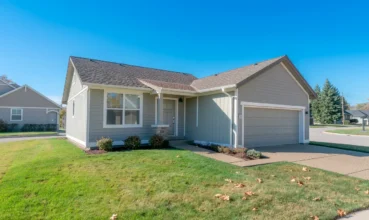
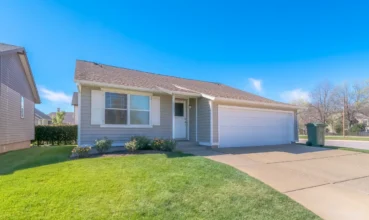
Khan points to Princeton as the clearest current example. Located in the northeast quadrant of the Dallas metro, Princeton is what Khan calls a “very high demand, fast-growing city,” one where he is currently closing a new-build three-bedroom, two-bathroom home at approximately $325,000. That price, he says, draws buyers who find established suburbs like Plano or Richardson increasingly out of reach.
He extends the list to include Anna, Melissa, Celina, and parts of McKinney, with Sherman – closer to the Oklahoma border – also emerging as a destination for buyers priced out of more central locations.
These cities share a common profile: newer construction, lower prices than established suburbs, and infrastructure still catching up to demand. For buyers who have calculated what they can afford, they represent a viable entry point into homeownership in a region that remains cheaper than most comparable metros nationally. A three-bedroom home in Princeton at $325,000 stands in sharp contrast to comparable properties in California, which Khan says can run $800,000 or more.
The Maintenance-Free Buyer
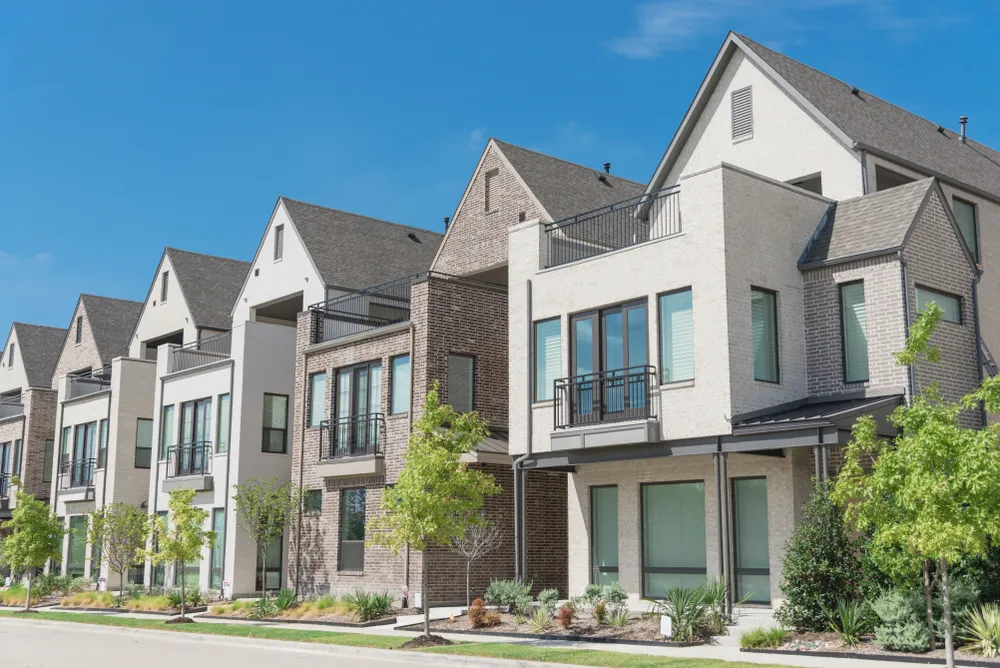
Khan ties the geographic shift to a specific lifestyle dynamic. The buyers gravitating toward these peripheral markets are predominantly younger, working families whose daily schedules leave no room for property upkeep. This group is driving a pronounced increase in demand for townhomes, a housing type historically more associated with urban cores than suburban peripheries.
“Townhomes are getting more popular because the maintenance on them or upkeep on them is minimal as compared to houses that come with acreages,” Khan says.
The lifestyle calculus is straightforward. “The younger families, those are coming in, they are working class, and they don’t have time to cut the yards or maintain the flower beds or take care of the driveway and things like that,” he says. “They have enough time to come home, eat a meal, go to sleep, and be ready for work the next day.”
This isn’t a preference for density so much as a preference for simplicity, and it’s producing demand that developers in these emerging markets are beginning to supply in larger volumes. Khan says he expects townhome construction to increase significantly across north Texas as builders respond to this demographic signal.
What Investors Are Missing
Khan says his advice to investors considering DFW is to resist the assumption that one approach fits all submarkets. “Before you make up your mind, let’s do some homework, let’s do some legwork, come on down, let’s go around so I can show you the different markets,” he says. He emphasizes the importance of understanding local construction activity, demographic inflows, and what specific buyers in each submarket actually want before committing capital.
Established suburbs like Plano and Richardson carry higher prices and more mature inventory; they appeal to a different buyer profile, including the cash-rich out-of-state migrants Khan describes. But the working-class, younger buyer segment growing in both size and urgency is concentrating in markets that don’t yet command the same investor attention.
Khan also pushes back on the idea that the DFW market is cooling. “Cooling off is, I would say from my experience, a misrepresentation of Texas,” he says. What happened during COVID, he explains, was a false buying environment: out-of-state buyers bid properties well above market value, and some sellers still expect those inflated prices. Properties listed by sellers clinging to COVID-era expectations sit 80 to 180 days on market, Khan says, while sellers who price realistically move much faster. Collin County, where Khan lives, has seen prices adjust down roughly 1%, with about four months of inventory available.
Khan frames this as a correction from COVID pricing, not a crash. “There is going to be no crash,” he says. “It’s only going to be a correction from the COVID pricing.”
For developers, the townhome trend in north Texas peripheral cities aligns a growing buyer demographic with markets where land costs remain manageable, and demand is accelerating, a combination that may represent one of the region’s more durable near-term opportunities.
About the Expert: Nadeem Khan is a Realtor with Crown Homes Real Estate, serving the Dallas-Fort Worth metroplex across both residential and commercial transactions with a focus on the north Texas new construction corridor.
This article is intended for informational purposes only and does not constitute legal, financial, or investment advice. The views and opinions expressed herein reflect those of the individuals quoted and do not represent an endorsement of any company, product, or service mentioned. Readers should conduct their own due diligence and consult qualified professionals before making any investment decisions.