The Seattle housing market in mid-2026 presents a study in contrasts. Inventory has risen meaningfully from its pandemic-era lows, yet prices have largely held firm. Buyers are cautious but still active. Sellers are adjusting expectations, slowly. Against this backdrop, one segment of the market is quietly gaining momentum: Latino homebuyers and investors, many of them employed in the region’s technology sector, are emerging as a notable force in Seattle’s residential landscape.
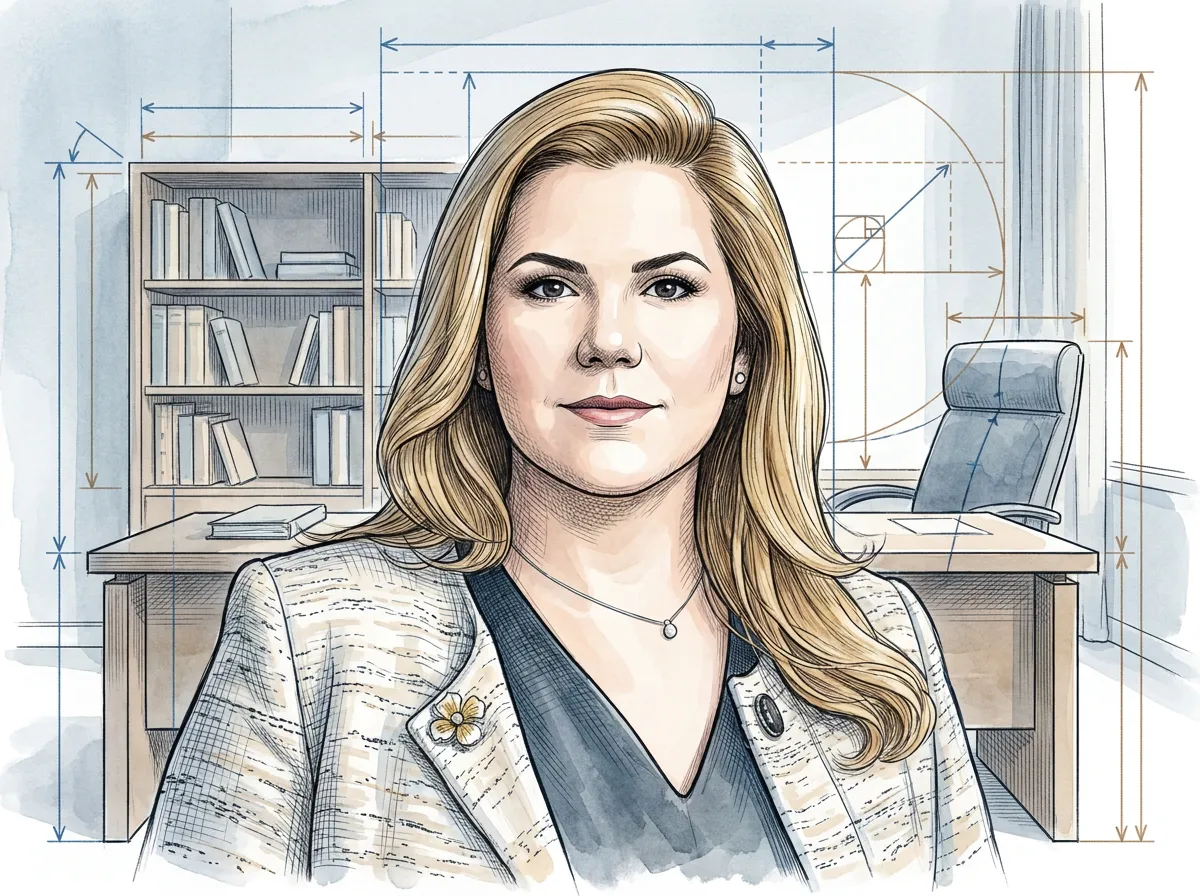
Gina Guajardo, founder and CEO of the Avanza Real Estate Team at eXp Realty, has built her practice around serving this community. Her eight-person bilingual team operates across Seattle, the Eastside, and the broader Pacific Northwest. What Guajardo observes offers a window into the market’s current dynamics and the demographic forces reshaping it.
Seattle Price Tiers
Seattle’s performance varies sharply depending on where a property falls on the price spectrum. Guajardo describes homes under $1 million selling quickly, while those between $1 million and $2 million take an average of under three weeks to sell. Above $2 million, listings are sitting on the market longer and seeing more frequent price reductions, particularly in the $4 to $5 million range.
That tiered behavior reflects broader national patterns. Affordability constraints compress demand at the higher end, while entry-level and mid-range properties remain competitive. In Seattle, the dynamic is amplified by a tech-sector workforce navigating layoffs and uncertainty driven by AI-related restructuring. Guajardo notes that continued job cuts could push more homeowners to sell, but adds that disruption also creates opportunity. “Once people remove the golden handcuffs of their tech jobs, they might start the next great AI company,” she says.
Buyer and Seller Outlook
The mood among buyers has shifted noticeably from a year ago. Guajardo describes her clients as “hopefully cautious.” They know current rates are higher than pandemic-era levels, but they also recognize that life decisions don’t pause for ideal market conditions. Marriages, new babies, and job relocations still drive purchases. Buyers are approaching decisions carefully, seeking the best home they can afford and planning to refinance if rates drop.
On the seller side, the adjustment is ongoing. Many still carry expectations shaped by the COVID-era appreciation cycle. “Most sellers right now are still in the mindset of selling fast, but they are getting hit with reality,” Guajardo says. Her approach is direct: present the data clearly and trust that clients will respond to good information.
Inspections have become a recurring source of friction in transactions. Guajardo advises sellers to invest $500 to $600 in pre-inspections before listing, arguing that a $1,000 repair left unaddressed can balloon to $5,000 in a buyer’s mind. She also notes a generational pattern: younger buyers want move-in-ready homes and are often unwilling to take on renovation work.
Latino Investor Growth
The conventional image of Latino homebuyers skews toward first-timers navigating affordability challenges. Guajardo’s client base is more varied. She works with first-time buyers, move-up buyers, and increasingly, investors, including tech professionals whose compensation packages include equity and stock. When stock prices rise, purchase activity among these clients accelerates.
The investor segment extends beyond the tech cohort. Guajardo pushes back on the assumption that Latino investors are a niche phenomenon. “Latinos are great investors, and they believe in the American dream and in investing in real estate,” she says. “You don’t necessarily have to be wealthy to do that, but you have to have a strategy.”
Guajardo points to one longtime client who began her career cleaning hotels, bought properties incrementally whenever she had a down payment, and now owns more than 50, most of them paid off.
For investors considering Seattle today, her advice is practical. The city’s tenant-friendly regulatory environment means landlords need to understand their rights and obligations thoroughly. Prices in core neighborhoods have made cash flow difficult. Guajardo suggests investors look north toward Snohomish County, where rental yields tend to be more favorable. Her core principle: “Don’t rely on appreciation only. Have a little bit of cash flow from the beginning, even if it’s only $100, it makes a difference in the long run.”
Legal and Bilingual Edge
What distinguishes Guajardo’s approach is her legal background. She holds a law degree from Tecnológico de Monterrey in Mexico and worked as a tax attorney before immigrating to the United States and entering real estate. That training informs how she reads contracts, explains terms, and negotiates. It carries particular weight with clients navigating a transaction in their second language.
One area where that background proves useful is title and escrow, which has no direct equivalent in the Mexican legal system. In Mexico, a notario is an attorney who handles property transfers. In the United States, a notary holds no such role. Guajardo bridges that gap by explaining how title and escrow companies function similarly to a notario, holding funds, verifying ownership, and disbursing money at closing. That kind of conceptual translation, beyond simple language translation, reduces confusion and builds trust with clients unfamiliar with the mechanics of American real estate.
For Latino buyers navigating the process in their second language, that distinction matters. “If I’m doing math, I do it in Spanish,” Guajardo says, a detail that speaks to the difference between technically serving a client and genuinely communicating with one.
AI Tools and Local Knowledge
Technology is reshaping how agents serve clients in a more negotiated market. Guajardo has integrated AI tools into her daily workflow beyond basic automation. She uses the platform to maintain detailed client profiles, as a sounding board for pricing decisions and offer strategy, and in reviewing inspection reports. “If sometimes I don’t agree, I’ll say, ‘You didn’t take into account this or that,’ and it will adjust,” she explains.
That kind of local, hands-on judgment remains the limiting factor that technology cannot replace. Seattle’s market in mid-2026 rewards agents who can read neighborhood-level data, interpret inspection findings, and translate legal concepts across cultures. The picture Guajardo offers is of a city moving from frenzied pandemic-era appreciation toward something more measured and more dependent on local knowledge. For the Latino community she serves, that transition coincides with a generational shift in wealth accumulation and homeownership that is still in its early stages. The Latino population in the United States is young and growing, and its presence in residential real estate, as buyers, owners, and investors, is expanding in step. In Seattle, that trajectory is already visible.
About the Expert: Gina Guajardo is the founder and CEO of the Avanza Real Estate Team at eXp Realty, operating across Seattle, the Eastside market, and the broader Pacific Northwest. She holds a law degree from Tecnológico de Monterrey and worked as a tax attorney before entering real estate.
This article is based on information provided by the expert source cited above. It is intended for general informational purposes only and does not constitute legal, financial, or real estate advice. Readers should conduct their own research and consult qualified professionals before making any real estate or financial decisions.