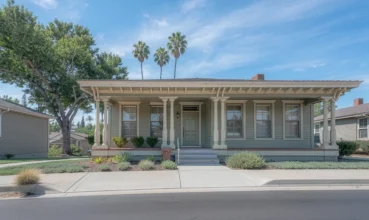
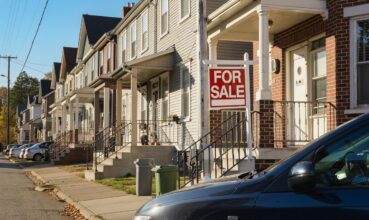
The Monterey Peninsula, known for its dramatic coastline and high-profile residents, has become a prime example of California’s housing affordability crisis. Million-dollar starter homes are now standard, and even seasoned professionals are questioning how long the current market can last.
Bryan Hermanson has seen the region’s real estate landscape change over decades. As a dual-licensed real estate and mortgage broker with 45 years in real estate and 35 in lending, Hermanson runs California Mortgage & Realty, serving Carmel, Pebble Beach, Pacific Grove, and neighboring communities. These areas are famous for their scenic beauty and soaring home prices.
“I used to work with first-time buyers, until all the properties in my immediate area hit a million dollars,” Hermanson says. “There are no first-time home buyers for million-dollar homes.”
Affordability Out of Reach
Prices on the Monterey Peninsula have climbed so high that even the most affordable city, Seaside, now offers homes starting around $800,000 — typically for properties under 1,500 square feet. In the $1 million range, buyers can expect only a modest two-bedroom, two-bath house between 1,200 and 1,400 square feet.
This new reality has forced Hermanson to adjust his business. Where he once closed 15 to 20 transactions monthly across the peninsula’s seven cities, he now completes just two to three sales per month in each area. “I’m lucky if I do two loans a month and usually about one real estate transaction every other month,” he says.
The numbers underscore the shift. One recent client couple, both firefighters earning a combined $250,000 annually, now represents a typical first-time buyer household. Their mortgage carries a 6.625% interest rate — more than double the sub-3% rates seen just a few years ago. Even high-earning buyers are squeezed by today’s rates and prices.
The Lock-In Effect and Inventory Freeze
Existing homeowners are staying put. “Anybody who owns a house is not refinancing. They all have 2% to 3.25% interest rates,” Hermanson notes. With market rates above 6%, few are willing to give up their current mortgages for higher payments. This “lock-in effect” has sharply reduced inventory, as sellers hold off listing their homes.
Instead of refinancing, homeowners seeking cash are turning to home equity credit lines. “Credit lines have really picked up, but you don’t make any money in credit lines,” Hermanson says. “People need money. They’re not going to get out of a low interest rate to get a high interest rate. They’ll do a high interest rate on a lower amount of money.”
Many owners stretched financially to buy their homes, leaving little room for added expenses. “Most people, when they’re buying their homes, reach for the stars. They spend everything on the biggest house, the most expensive house, and that leaves them nothing monthly. They’re just slaves to their house,” Hermanson observes.
Industry Contraction and Referral Drought
The slowdown is reshaping the real estate industry on the peninsula. “Real estate agents are not renewing their licenses, so they’re starting to dry up and disappear. There are no new mortgage brokers. Nobody’s getting into the mortgage business,” Hermanson reports.
This thinning of the ranks favors established professionals with the resources to weather slow periods, but it also signals bigger structural changes. The referral networks that once fueled business have eroded since the onset of COVID-19, which ended much of the face-to-face interaction that generated new clients.
“For 35 years, I never advertised because my business came from being successful with my clients and making them happy, and I would get one or two or three referrals from them,” Hermanson says. “When COVID came, and everybody had to stay home, the referrals just stopped overnight.”
Insurance Adds Another Obstacle
The market’s challenges extend beyond prices and rates. Securing homeowner’s insurance has become increasingly difficult. State Farm, a major insurer, stopped issuing new policies in California two years ago, citing wildfire risk. Buyers now face another hurdle, as lenders require hazard insurance for mortgages.
“It’s tough even to get fire hazard insurance when you buy a home, if you have a loan,” Hermanson says. The insurance shortage adds another barrier for buyers and complicates deals in an already tight market.
Interest Rates as the Key to Recovery
Hermanson sees lower interest rates as the only realistic way to revive the market. “Rates have to come down. Rates come down, more buyers qualify. Simple as that,” he says. He estimates rates would need to drop into the low-5% range — down from current levels above 6% — to boost activity significantly.
But even if rates fall, affordability remains a major obstacle. Many local workers in tourism, retail, and restaurants earn $40,000 to $50,000 per year, far below what’s needed to buy in the area. This gap has created a workforce housing crisis, affecting both the local economy and the community’s ability to retain essential employees.
Digital Shift and Generational Divide
The industry’s move toward digital processes has accelerated since the pandemic. “Everything I do now is on the computer. I don’t even have to see people anymore,” Hermanson says. While online tools make deals more efficient, they also weaken the personal connections that once drove repeat business and referrals.
Younger buyers often rely on mobile devices to research homes and delay contacting agents until they need pre-qualification. This change forces established professionals to rethink their marketing, but Hermanson admits he struggles to keep up with social media compared to newer agents.
What’s Next
The Monterey Peninsula’s market mirrors broader trends in California’s most desirable coastal regions. While luxury homes above $2 million still come to market, finding qualified buyers remains a challenge even at these price points.
Hermanson now focuses on the $800,000 to $1.2 million range, where most buyers need two incomes to qualify. Even in this segment, high rates and down payment requirements limit options for many households.
The market’s recovery timeline is tied to Federal Reserve interest rate decisions. Until rates drop, the region’s blend of natural beauty, celebrity draw, and limited inventory will keep prices high, but sales volume is likely to remain low.
For industry professionals, this market tests adaptability and financial stability. Those who can survive the current slowdown may benefit from less competition, but success will depend on embracing new ways to find and serve clients in an increasingly digital landscape.
The Monterey Peninsula’s challenges offer a preview of what other high-cost coastal markets may face. The combination of limited supply, high demand, and affordability barriers is forcing both buyers and industry professionals to adapt to a new, more unforgiving reality.