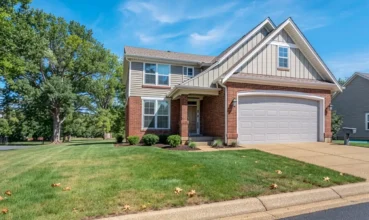
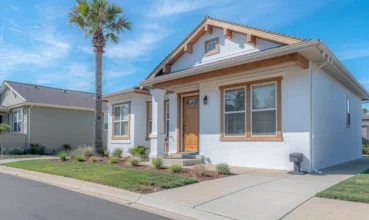
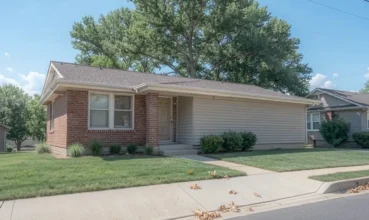
New-construction homes in the greater Pittsburgh area are selling rapidly, even as buyers openly complain about the build quality of some of the region’s largest homebuilders. That disconnect between persistent demand and known concerns raises a practical question for anyone shopping for a new build: if the market will not punish builders for cutting corners, who protects the buyer?
Michael Young, a Realtor with Engel & Völkers Sewickley who covers the greater Pittsburgh metro, describes the pattern bluntly. New builds in the $400,000-plus range consistently move quickly, and buyer complaints about certain high-volume builders have not changed the pace. “Despite the complaints about the quality of construction with some home builders, that does not seem to deter buyers,” Young says.
Why New Construction Keeps Winning
New homes mean no deferred maintenance, no outdated systems, and – at least in theory – no inspection surprises. In a market where existing inventory often consists of older housing stock that may need repairs before a sale, a brand-new home with a builder warranty appeals to buyers looking for a simpler transaction.
Pittsburgh’s new-construction starts generally begin at $400,000 and up, according to Young. That puts them well above the metro’s median sale price of roughly $250,000, which means buyers purchasing new builds tend to be better capitalized. Some pay cash, particularly above the half-million-dollar mark. Young notes that average sale prices in the market have risen by roughly six to seven percent, and he believes the volume of new-construction sales is a contributing factor.
The speed at which these homes sell removes one of the natural pressure valves that might otherwise force builders to address quality. When every unit finds a buyer quickly, there is little market incentive to slow down production. Young says buyers are “just throwing caution to the wind and buying those,” prioritizing the appeal of new over a careful evaluation of what they are getting.
A Balanced Market Offers Alternatives
The new-construction dynamic plays out against a Pittsburgh market that Young describes as balanced. Sellers can still get a good price if they prepare their homes properly, but buyers have regained some negotiating room. Sellers “may have to put a little bit into it and make sure it’s ready to go,” Young says, noting that the days of simply decluttering and listing are over. Repairs that would have been overlooked two years ago, a hole in the wall, minor maintenance issues, now need attention before listing.
That balance means buyers considering existing homes have more leverage than they did during the tighter market of recent years. A buyer weighing a new build against an older home is no longer choosing between “turnkey but expensive” and “fixer-upper with no room to negotiate.” The existing-home side of that equation has shifted in the buyer’s favor.
Where Are Buyers Coming From?
Pittsburgh’s affordability is drawing buyers from higher-cost markets. Young says he has worked with multiple families relocating from places like southern Utah and Reno, Nevada, people who left California for more affordable areas, only to find those secondary markets becoming saturated. Pittsburgh offers a median price that is a fraction of what those buyers left behind, and the region’s healthcare systems provide employment for trailing spouses while remote-capable workers keep their existing jobs.
Young also describes a generational wealth transfer that is changing how some transactions are structured. He points to multigenerational purchases where family resources combine to fund a home, sometimes in cash. His own recent purchase followed that pattern: a multigenerational arrangement close to half a million dollars, paid without a mortgage.
The broader buyer pool, however, still relies on financing. Young says rate sensitivity has faded as a barrier. Rates have not dropped meaningfully, but media coverage of them has quieted, and buyers have adjusted. “I don’t see people that are worried about it anymore because they’re not hearing about it as much,” he says.
Stability Cuts Both Ways
Pittsburgh’s housing market has avoided major disruption for decades, no significant bust since the mid-1980s, no pandemic-era price spike to deflate. That consistency is generally an advantage, but it also means no correction is on the horizon that would cool new-construction demand enough to pressure builders on quality.
Young says total sales volume for 2026 is projected to land roughly where it has been the past couple of years. The market is not overheated and not slumping. For buyers weighing a new build, that steadiness means builders face no market-driven reason to compete on construction quality when they can compete on speed and newness alone.
For anyone considering new construction in Pittsburgh, the question is whether the convenience of a brand-new home outweighs the uncertainty of buying from a builder whose quality track record draws complaints, in a market where demand alone is unlikely to force improvement.
About the Expert: Michael Young is a Realtor with Engel & Völkers Sewickley in the Pittsburgh, Pennsylvania area. He spent more than a decade in appraisal work before moving into sales nine years ago.
This article is intended for informational purposes only and does not constitute legal, financial, or investment advice. The views and opinions expressed herein reflect those of the individuals quoted and do not represent an endorsement of any company, product, or service mentioned. Readers should conduct their own due diligence and consult qualified professionals before making any investment decisions.