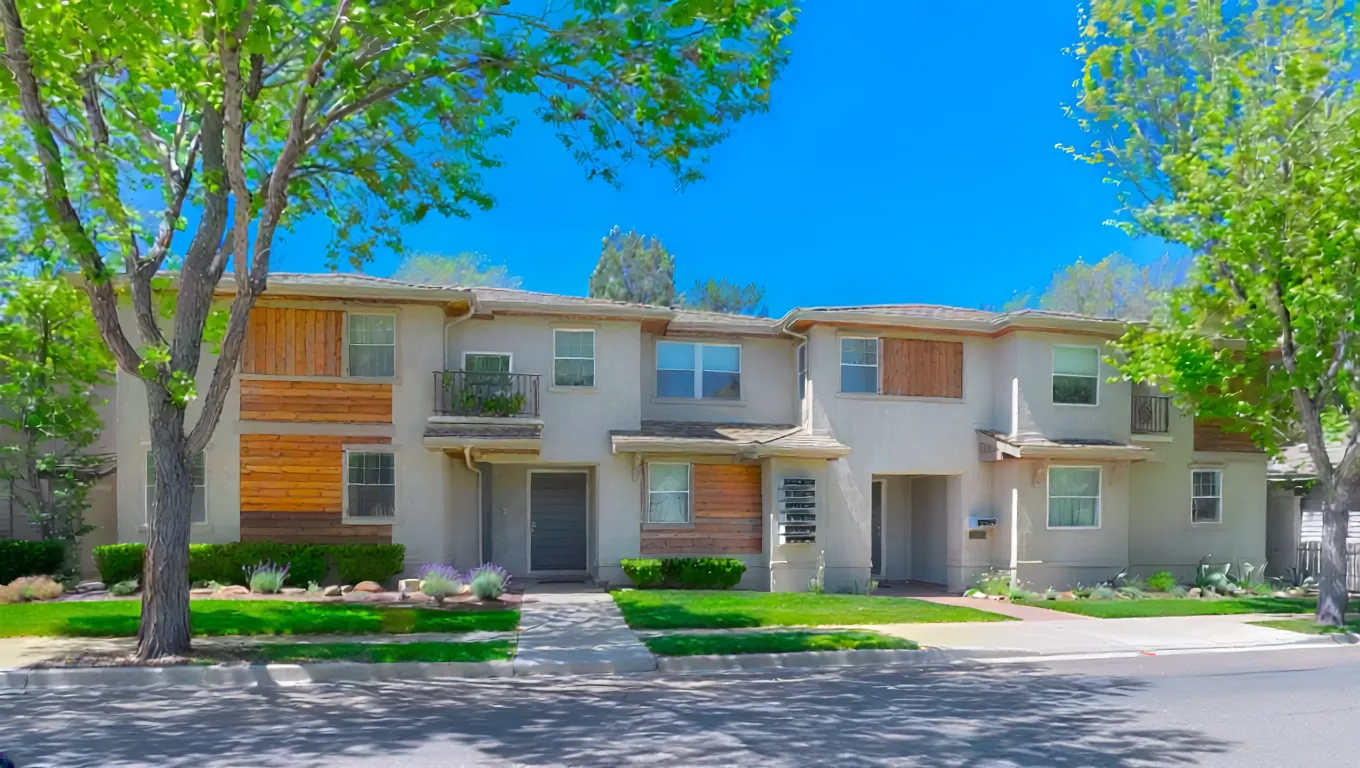
Buy a home in the San Francisco East Bay for $1.3 million, rent it for $4,500 a month, and the yield looks thin next to what lower-cost markets across the country deliver. This yield gap sends many investors elsewhere. Lisa Doyle argues they are using the wrong measure. A real estate professional at The Doyle Team | Christie’s International Real Estate Sereno, Doyle has sold homes in Danville, San Ramon, and Walnut Creek, California, for 40 years. In her view, the case for investing here rests on long-term price gains, not monthly returns. That shift in focus changes the entire calculation.
Doyle runs a family-based real estate team covering the East Bay suburbs. She describes the market directly: “Most investors purchase here for the intent of an increased value” rather than monthly rental income. In Doyle’s view, the East Bay is not a cash-flow market and has never been one.
Low Rental Yields
Doyle illustrates the gap with a direct comparison. In other parts of the country, an investor might buy a $250,000 home and rent it for $1,800 a month. In the East Bay, a $1.3 million home might rent for $4,500. The East Bay rent-to-price ratio is far lower. As a result, monthly income does not come close to covering carrying costs as it would in a less expensive market.
For cash-flow-focused buyers, this math likely rules out the East Bay. Doyle is candid: “We don’t have this high return.” If an investment strategy depends on rental income exceeding mortgage, tax, and maintenance costs, the East Bay does not support it.
Appreciation and Risks
Doyle contends that a $1.3 million home has a better chance of gaining several hundred thousand dollars in value over time than a $250,000 property in a lower-cost market. Her reasoning rests on three demand drivers: high-income tech professionals commuting to Silicon Valley, strong public schools that attract families, and limited housing supply in a geographically constrained suburban corridor.
This demand surfaced during the pandemic, when East Bay prices rose sharply as buyers moved into the suburbs. Doyle says the market has remained stable since, even as mortgage rates climbed. However, she flags two headwinds. First, AI-driven automation could reduce headcount at the tech companies that employ much of the area’s buyer base. Doyle says companies “are not going to need as many people” if AI tools make them more efficient. Second, she says global instability, particularly in the Middle East, has made buyers more cautious. The appreciation strategy works only if these demand drivers hold.
Competition for investment properties adds another obstacle. Doyle says her team fields steady interest from would-be house flippers. “We have people calling us 10 times a day looking for fixer-uppers,” she says. As a result, discounted properties are hard to find. Sellers who know their home needs work may still hold firm on price.
Supply and Outlook
For investors willing to hold rather than flip, Doyle points to multi-unit properties as the strongest option. One of her current clients is evaluating a six-unit apartment complex in Walnut Creek. Multi-unit buildings spread rental income across several tenants, which improves monthly returns even in a high-cost market. However, these properties are rare in the East Bay. Duplexes and fourplexes are scarce in the suburban core.
Investors seeking multi-unit properties may need to look beyond the Caldecott Tunnel, which separates the suburban East Bay from denser urban areas such as Oakland. The suburban side offers stronger appreciation potential but fewer investment-grade properties. Investors from outside the Bay Area should know that these two areas function as separate markets despite sharing a regional name.
Danville’s inventory shows how tight supply is. The town had about 180 active listings as of September 2026, including condos, townhouses, and single-family homes. In a market where homes start well above $1 million, 180 listings is a narrow pool for any buyer, let alone an investor seeking a deal.
Doyle expects prices to remain stable or rise modestly over the next few years if mortgage rates decline and global conditions settle. If rates stay elevated and volatility persists, she anticipates a flat market: “business as usual … the same as it is today.” For investors, the difference matters. The appreciation strategy depends on conditions improving, not just holding steady.
About the Expert: Lisa Doyle is a real estate professional with 40 years of experience who leads a family-run team based in Danville, in the East Bay area of California.
This article is intended for informational purposes only and does not constitute legal, financial, or investment advice. The views and opinions expressed herein reflect those of the individuals quoted and do not represent an endorsement of any company, product, or service mentioned. Readers should conduct their own due diligence and consult qualified professionals before making any investment decisions.