When national builders offer rate buydowns, closing-cost credits, and upgrade packages to move inventory, buyers gain leverage. The incentive itself is a signal: the builder needs you more than you need the builder. In the custom luxury market of Wake Forest, North Carolina, those signals do not exist. That absence shapes how buyers negotiate.
Dave Harney leads the Compass Team at Coldwell Banker Advantage and has spent nearly 20 years focused on luxury custom construction in the Wake Forest area. He says the upper-level custom segment follows different rules than the production-builder market that dominates national headlines. In this segment, he says, “there’s not a lot of incentives.”
Why Builders Skip Incentives
National and regional builders carry costs on standing inventory, face construction loan deadlines, and report quarterly earnings. Incentives help them move units through a pipeline. Because volume makes up the difference, these builders can accept thinner profits on individual homes.
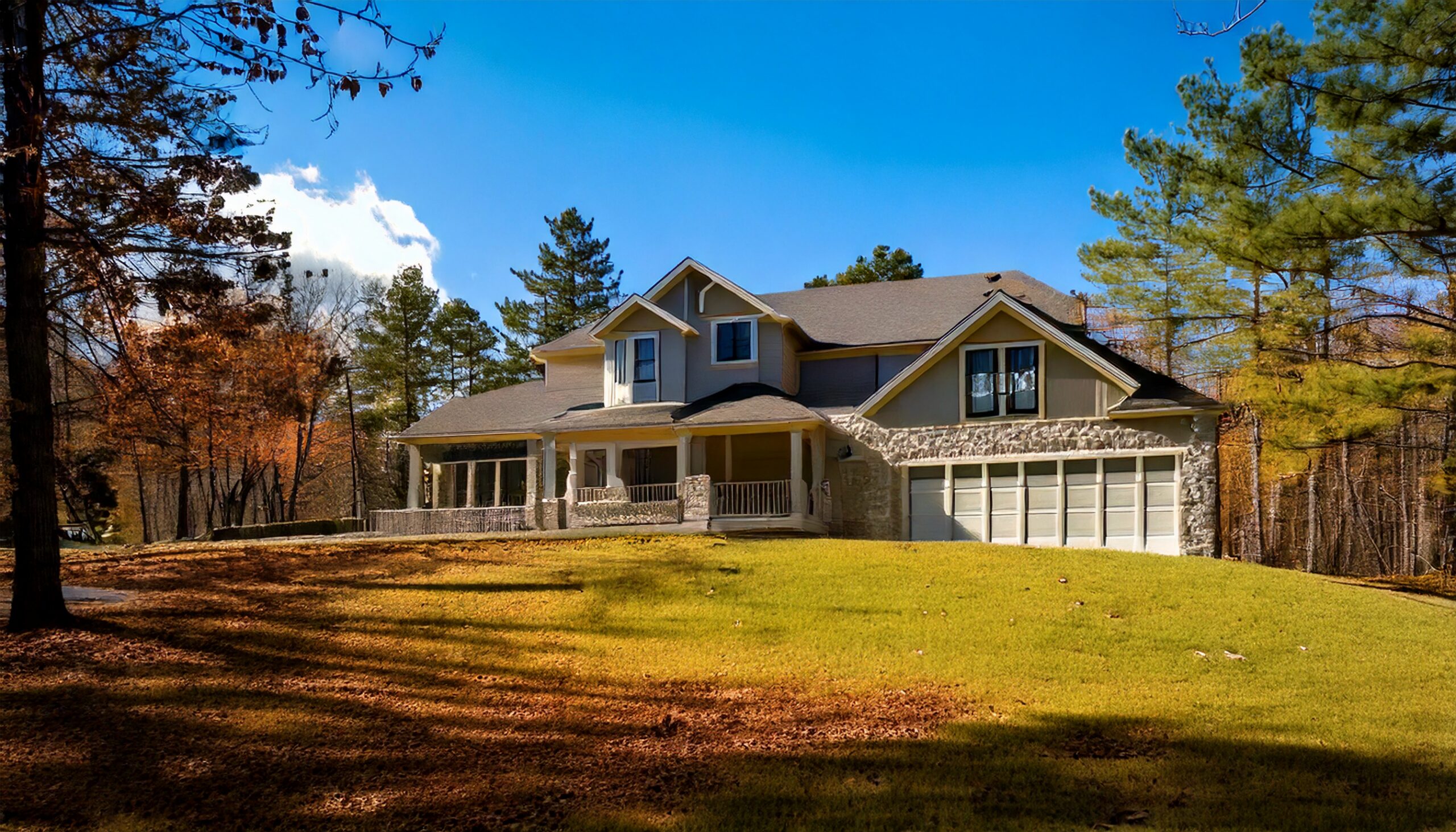
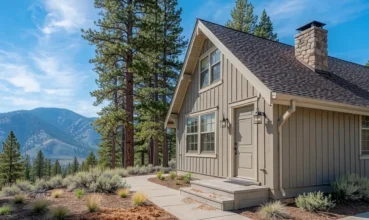
Custom builders in the Wake Forest market work differently. Oak and Stone Custom Homes is the exclusive builder at the Reserve at Windsor, a new community. The company builds one-off homes on private wooded lots with rolling topography. Each home is designed to the buyer’s specifications, from lot selection to floor plan to finish details. Most homes are built to order, so there is no standing inventory to discount.
When a custom builder does have a completed spec home available, Harney says the craftsmanship allows modifications to suit a buyer’s preferences. The buyer pays for those changes. The flexibility is the draw, not a price reduction.
Less Room to Negotiate
Some buyers are used to playing national-builder communities against each other and using incentive packages as leverage. Those tactics do not carry over to the custom luxury market. There is no rate buydown to negotiate and no closing-cost credit on the table. The builder is not sitting on dozens of unsold units with a lender pressing for sales.
Harney says he does not see inventory sitting in this segment. The Reserve at Windsor already has four homes under contract in its early stages. Entry prices start at $1 million, and one pre-sale custom build is under contract at $1.8 million.
The early contracts suggest real buyer interest rather than artificial scarcity. They also mean buyers have less room to negotiate on price and should budget accordingly. The custom process adds cost at every decision point, and no incentive package offsets it.
What Drives Triangle Demand
The Wake Forest area sits in the northern part of North Carolina’s Research Triangle. The region is anchored by major universities, including NC State and Duke, and by a concentration of technology, software, and pharmaceutical employers. Harney says the Triangle has consistently ranked among the top 10 or 12 move-to destinations nationally.
According to Harney, Franklin County, just north of Wake County, is the second-fastest-growing of North Carolina’s 100 counties. He credits jobs, lifestyle, and climate for the growth. The area has a temperate four-season climate that lets residents stay active outdoors year-round. The North Carolina mountains and coastline are roughly equidistant.
Corporate relocations drive a significant share of demand. Harney’s team works with Fortune 500 companies moving employees to the area. Often, one spouse arrives first for work and lives in temporary housing while searching for a home. The family joins later. Some buyers find a spec home already built, while others lease temporarily and build from scratch.
Harney says universities also drive long-term demand. Young professionals come for school, stay for jobs, and start families. “The parents, which are soon to be the grandparents, follow,” he says.
Harney recommends that relocating buyers spend time in the area before committing. He says incoming buyers most often ask about education quality and the availability and location of medical care. They also ask about lifestyle and entertainment options. These range from Falls Lake, a recreational lake near Wake Forest, to restaurants, sports programs, and outdoor activities.
Hidden Market Signals
Harney acknowledges that “no market is bulletproof.” In a production-builder market, softening demand shows up as visible incentives that buyers can track. In the custom segment, a slowdown might appear as longer build timelines, fewer pre-sales, or lots sitting without commitments. Those signals are harder for an outside buyer to detect.
Buyers entering at $1 million or more pay for a bespoke home in a seller-friendly market with limited negotiating leverage. The trade-off is straightforward. The custom process delivers a home built to one family’s specifications. However, a highly personalized home may take longer to resell than a conventional one if market conditions change.
For buyers planning a long-term hold, deep demand in the northern Triangle works in their favor. Buyers on shorter timelines face a different situation. Builders in this segment do not openly signal market conditions, so due diligence before committing matters more.
About the Expert: Dave Harney has spent nearly 20 years in the Research Triangle market and leads the Compass Team at Coldwell Banker Advantage, focusing on the Wake Forest and Franklinton corridor of North Carolina.
This article is intended for informational purposes only and does not constitute legal, financial, or investment advice. The views and opinions expressed herein reflect those of the individuals quoted and do not represent an endorsement of any company, product, or service mentioned. Readers should conduct their own due diligence and consult qualified professionals before making any investment decisions.