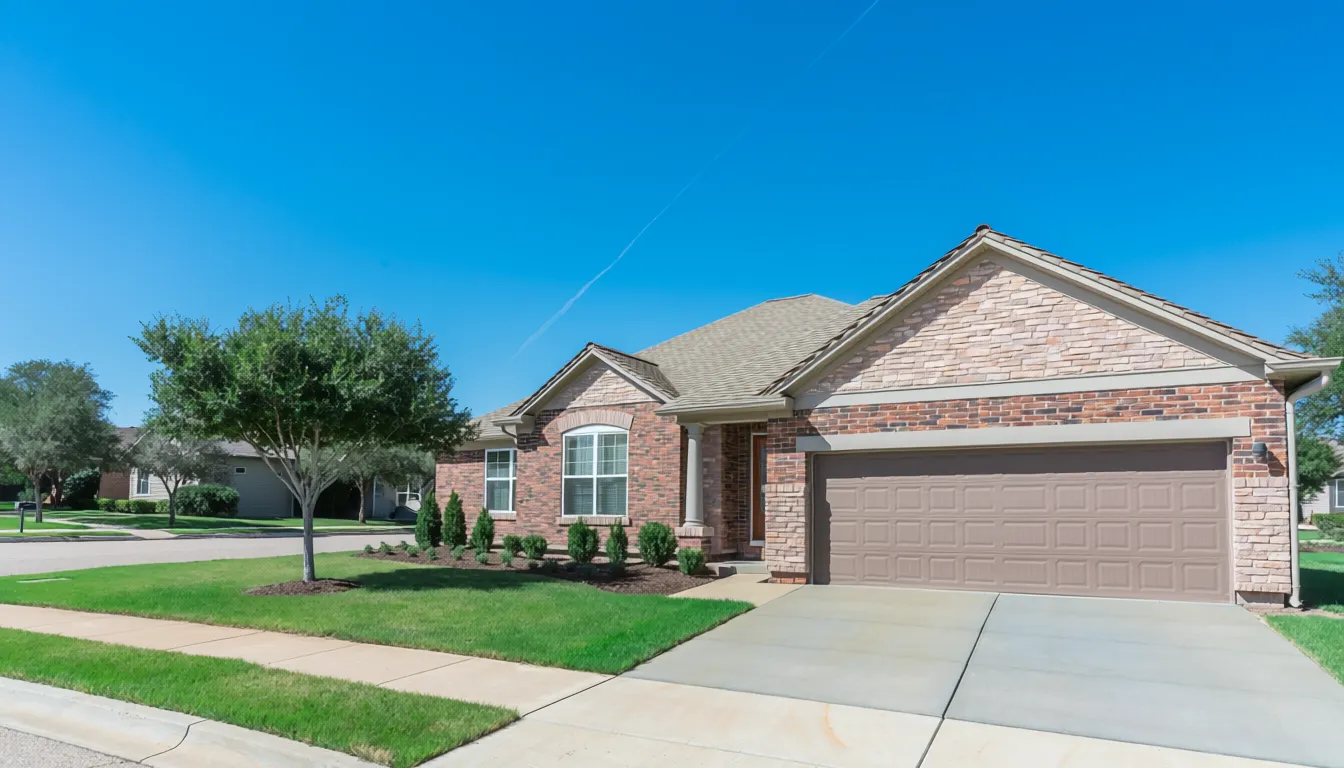
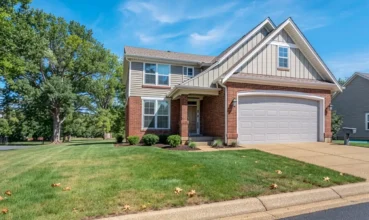
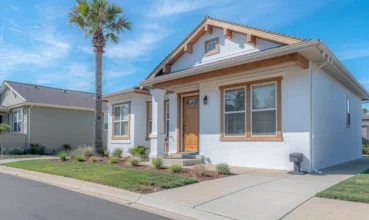
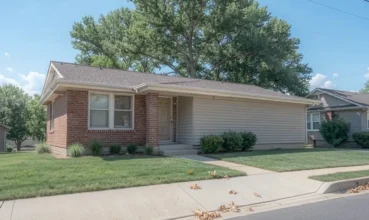
Two homes listed at $400,000 in the Dallas-Fort Worth metro can carry noticeably different monthly mortgage payments, depending on the county or school district. The gap has nothing to do with the loan or the lender. It comes down to property taxes. Buyers who ignore that line item may misjudge what they can afford.
Kristyn Fuston, an agent with eXp Realty who covers the Dallas-Fort Worth metro and the Texas Panhandle, says property taxes now come up in nearly every buyer meeting she takes. Homes priced from $350,000 to $500,000 dominate the local market. In that range, even a modest difference in tax rates between two counties can shift a monthly payment. That shift can knock a buyer out of qualification. It can also push a buyer into a home that strains the budget more than the list price suggested.
Same Price, Different Payments
Texas has no state income tax, so local governments rely heavily on property taxes to fund services. Rates vary from city to city and even from one school district to the next. Fuston says buyers “are starting to pay attention to, not just prices.” They want to know what their property taxes will be. An identically priced home 20 minutes away can produce a different bottom line once taxes, insurance, and escrow are factored in.
That difference matters because mortgage qualification depends on the full monthly payment. That payment includes principal, interest, taxes, and insurance, not just the purchase price. A buyer preapproved for a certain monthly payment might comfortably afford a $400,000 home in a lower-tax area. The same buyer could exceed that limit in a higher-tax area.
Fuston says “the home buyers are now being educated on how much that can impact their purchasing power.” This often comes as a surprise to first-time buyers. Many start the process focused on a purchase price. They learn later that the tax bill changes the math.
A Buyer-Seller Standoff
Property tax differences are sharpening an existing tension between buyer expectations and market reality in Dallas-Fort Worth. According to Fuston, buyers “that are very well qualified in that budget are still not happy with the value that they’re getting.” She says part of that dissatisfaction comes from the total cost of ownership, not just the list price.
Sellers feel pressure from the other side. Many are selling out of necessity because of job relocations, financial strain, or growing families. They often cannot lower their price enough to offset a buyer’s reaction to the tax bill. The result is a standoff. Buyers lower what they think a home is worth after factoring in carrying costs, while sellers have a minimum price they cannot go below. Fuston describes a listing that keeps receiving offers $100,000 below asking from one buyer. Accepting would require the sellers to bring money to closing.
These conditions are not the same across the metro. Fuston notes that individual neighborhoods can behave like separate markets. Part of Flower Mound might favor sellers, while part of Midlothian is slower. Property taxes are part of the reason. Based on Fuston’s reading of local data, about 81 percent of Flower Mound homes carry a homestead exemption, which Texas grants on owner-occupied primary residences. That stability tends to support home values, but new buyers still have to account for the tax cost.
Compare the Full Payment
Price range affects how much room buyers have to absorb tax differences. According to Fuston, homes in the $350,000 to $400,000 range are selling faster than those priced above $450,000. At lower prices, a higher tax rate is less likely to push a monthly payment past a buyer’s qualification limit. Homes near or above $1 million can take considerably longer to sell.
New construction adds another variable. In the metro’s growing outer suburbs, builders are drawing buyers away from resale homes with financial terms individual sellers cannot match. These include rate buydowns, closing-cost coverage, and payment of the buyer’s agent commission. Fuston points to Furst Ranch in the Flower Mound area, a development she says spans about 2,300 acres with nine homebuilders participating. That competition adds pressure on resale listings.
Incentives do not change the tax picture, though. A new home in one jurisdiction and a resale home in another will carry different tax bills at the same purchase price. Comparing the estimated monthly payment, including taxes, across county and school district lines gives buyers a clearer view of what each home will cost.
About the Expert: Kristyn Fuston is a residential agent with eXp Realty, focusing on VA buyers across Dallas-Fort Worth and the Texas Panhandle.
This article is intended for informational purposes only and does not constitute legal, financial, or investment advice. The views and opinions expressed herein reflect those of the individuals quoted and do not represent an endorsement of any company, product, or service mentioned. Readers should conduct their own due diligence and consult qualified professionals before making any investment decisions.