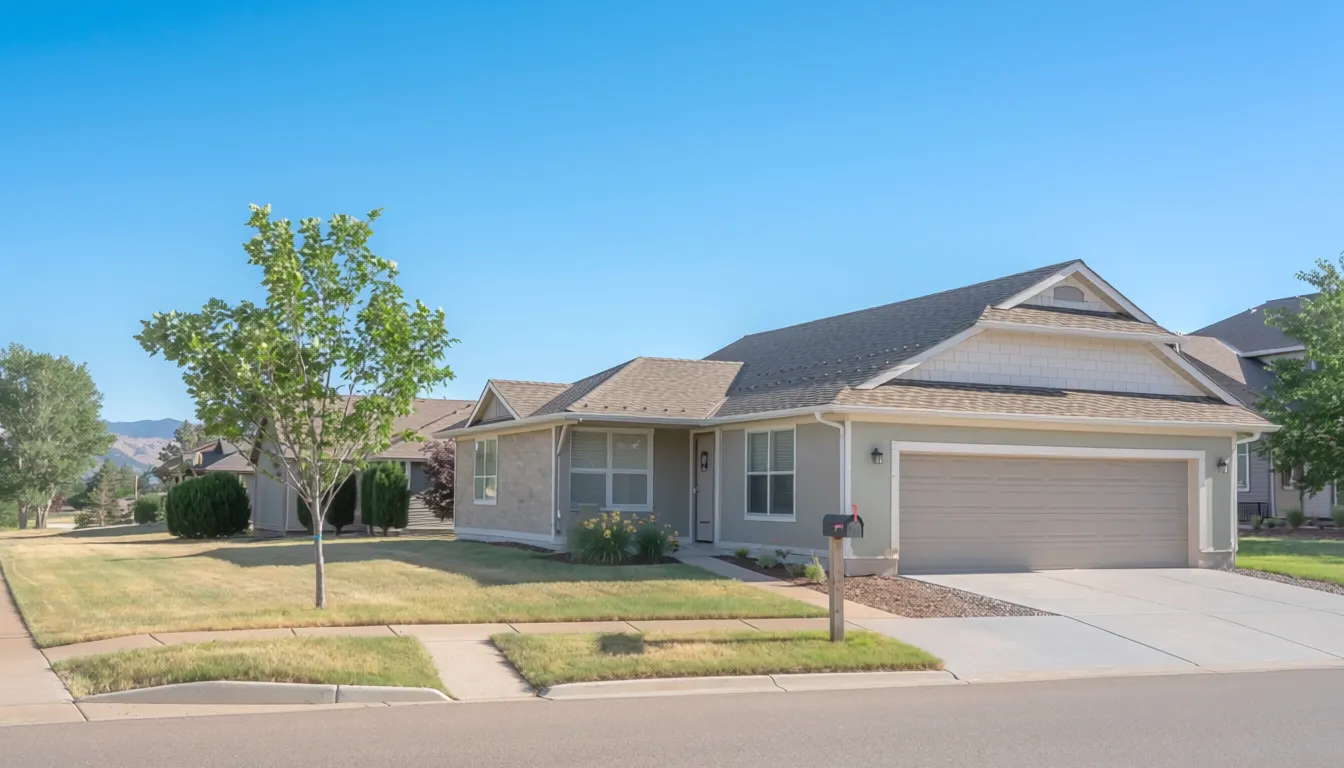
A condo has long been the natural first step for budget-conscious buyers. It is usually cheaper than a detached home, requires less maintenance, and sits closer to urban job centers. But in Boulder, Colorado, and across the Denver metro area, many first-time buyers are skipping condos and choosing single-family homes instead.
The reasons go beyond personal preference. Rising homeowners association (HOA) fees, stricter condo lending standards, and climbing insurance costs make condos harder to finance and more expensive to own. In some cases, these costs erase the price advantage that made condos attractive in the first place.
Jennifer Stuckey, a residential agent with RE/MAX of Boulder, sees the shift clearly among her clients. All of her current first-time buyers are pursuing single-family homes rather than condos. In her experience, monthly costs are driving that choice.
HOA and Insurance Costs
The most visible pressure point is the monthly carrying cost. HOA fees in Denver-area condo buildings have been climbing. Many aging buildings face postponed repairs, underfunded reserve accounts, and higher contractor costs. Many first-time buyers are already stretched by their mortgage payment. An HOA bill of several hundred dollars a month can push their total housing costs above the cost of a modest single-family home.
Insurance adds to the problem. Stuckey pointed to rising premiums on the master insurance policies that condo associations must carry for their buildings. Associations pass those premiums on to owners through HOA dues and assessments. In Colorado, which has seen major wildfire and weather losses, those costs are not coming down.
Tougher Condo Lending Rules
Condos have also become harder to finance. Stuckey pointed to changes in guidelines from Fannie Mae and Freddie Mac, the government-sponsored companies that buy most U.S. conventional mortgages. These changes affect which condos qualify for financing. A condo building may fail those requirements if too many units are investor-owned, its reserves are too low, or it faces a pending lawsuit. In that case, buyers may not be able to get a conventional loan. Buyers must then pay cash, find a portfolio lender that keeps loans on its own books, or walk away.
These lending hurdles give cash buyers an advantage. In Boulder, Stuckey described a separate condo market in which parents buy units for their children attending the University of Colorado Boulder. Many of these deals are all cash, so they skip the lending process entirely. “You have the lottery for parents buying a kitty condo all cash, no argument,” she said. These cash buyers compete for the same units that first-time buyers hope to purchase with a Federal Housing Administration (FHA) or conventional loan. As a result, some of the most affordable condos effectively go to buyers who do not need a mortgage.
First-time buyers who need a mortgage now face closer lender review on condo purchases. More issues can derail the loan, and closing is less certain. A single-family home often avoids these HOA complications. It does not need condo-building approval from the lender, which gives the buyer a clearer path to closing.
Single-Family Home Trade-Offs
Single-family homes are not easy to buy in Boulder either, and the market remains competitive. Stuckey wrote three contracts for one buyer before landing a deal. Multiple offers are still common, and well-priced homes draw quick interest.
Single-family homes in Boulder and the Denver metro area can also bring unexpected costs. Stuckey noted that some lower-priced houses, priced just under $600,000, can need major renovation. In some cases, the work costs about $400,000. A buyer who stretches for a house over a condo may trade one set of financial pressures for another.
Still, first-time buyers keep choosing houses, even at higher purchase prices. A condo brings rising monthly costs, uncertain loan approval, and competition from cash buyers. A single-family home offers simpler financing and more predictable costs.
Seller Concessions Help Buyers
Seller concessions are working in buyers’ favor. Stuckey said they have become standard across the Denver metro market. All of her current contracts include at least $12,000 in concessions. Buyers use that money to lower their interest rates or cover closing costs. Citing a marketing colleague, she said the average concession in the Denver metro market is about $14,000.
That money can significantly reduce the upfront cash a first-time buyer needs for a single-family home.
About the Expert: Jennifer Stuckey is a real estate agent with RE/MAX of Boulder, covering the Boulder, Colorado market.
This article is intended for informational purposes only and does not constitute legal, financial, or investment advice. The views and opinions expressed herein reflect those of the individuals quoted and do not represent an endorsement of any company, product, or service mentioned. Readers should conduct their own due diligence and consult qualified professionals before making any investment decisions.