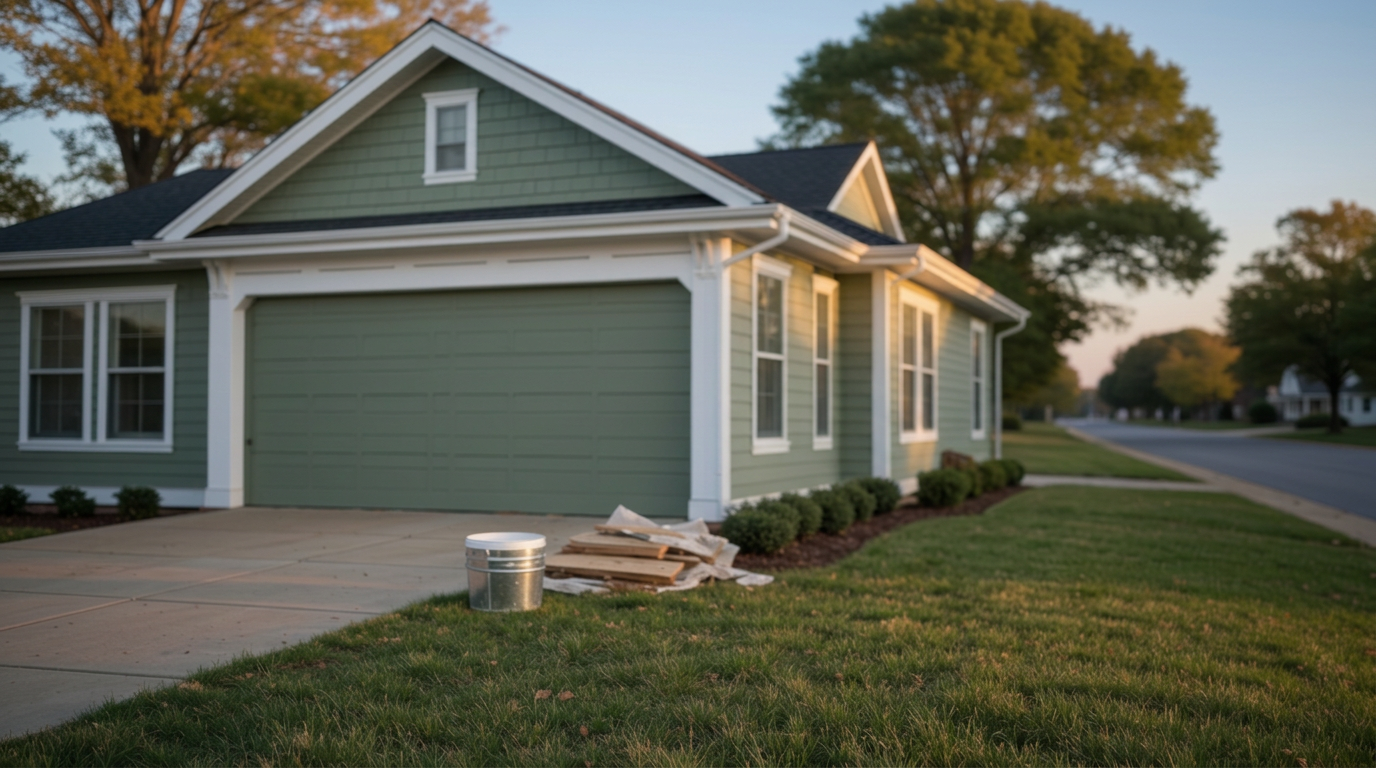
Nashville-area home prices have dipped over the past year, and even a modest decline is hitting fix-and-flip investors hard. Flips are priced on recent sales of comparable renovated homes, so investors who bought early this year set their targets when prices were higher. Their renovations are now finishing in a softer market, where buyers have more choices and finished homes are worth less than planned.
Casey Pennell, who leads a Keller Williams team in Middle Tennessee focused on investor clients, says the gap between what investors planned to sell for and what buyers will pay today can look small on paper, but it decides whether many deals make money. A shortfall that seems minor, she says, matters “if you had tight margins to begin with.”
Rather than sell into that gap, some investors are converting planned flips into rentals. “It just doesn’t make sense to sell it right now,” Pennell says.
Where the Numbers Break
In Middle Tennessee, investor discipline now comes down to knowing when to walk away. Pennell says successful flippers set a firm limit on what they will pay, based on what renovated homes nearby actually sell for, and stick to it. In a market with little room for error, stretching past that limit is often the difference between a profitable flip and one that barely breaks even.
That ceiling matters more now because buyers have more homes to choose from. Listings are piling up, and fewer sales are closing, which gives buyers room to negotiate and leaves sellers competing for their attention.
Pennell recounted a recent conversation with a builder who received an offer asking the seller to cover a large share of the buyer’s costs, known as concessions, the largest such request she had ever heard of. “Obviously a builder can afford that,” she says, “but just think that that came across the desk on an offer.”
The pressure is not coming from how investors buy. Most use hard money, short-term private loans on which they pay only interest while the renovation is underway. Because those costs are known and built into the deal from the start, conventional mortgage rates do not change them. The squeeze comes at the sale: the eventual buyer usually needs a traditional mortgage, and with rates elevated, that buyer can afford less, takes longer to decide and often asks for help to close.
Pennell says some lenders she works with are offering grants that help qualifying buyers in Davidson County cover part of their purchase. Those programs come with eligibility limits, though, and slower sales still stretch investors’ timelines.
Long-Term Rentals Over Short-Term
For investors still looking to deploy capital, Pennell sees long-term rentals as the strongest current opportunity. The buyer’s market means better acquisition prices, and investors avoid the resale timing risk that is complicating flips. She points to the 1 percent rule – targeting monthly rent at 1 percent of the purchase price – and says current conditions make that benchmark a little easier to hit.
Short-term rentals are a different picture. Pennell describes intense competition among Nashville-area short-term rental operators, rising property taxes, and difficulty raising nightly rates in a crowded field. “That margin of profit is very slim,” she says. “I personally probably wouldn’t invest in short-term right now.”
Builders face their own version of the timing problem. A build cycle of four to nine months means the market an investor underwrites at the start may look different by the time a home is finished. “There’s a long stretch where the market can change,” Pennell says.
Who’s Still Buying
Nationally, small, independent investors now account for a larger share of investor home purchases than they have in years. In Pennell’s market, though, the buyers still active are mostly experienced operators. Newer investors tend to freeze when headlines turn negative, she says, while seasoned buyers adjust their offers and expectations and keep going.
Pennell says investors still favor established Nashville neighborhoods such as East Nashville, while more affordable areas like North Nashville are drawing new interest. Higher-end suburbs such as Franklin and Brentwood remain active, with new development still underway.
A Stalled Market
Looking ahead, the investors, agents and brokerage leaders Pennell talks to expect next year to look much like this one. “We as a collective group think that the market is going to stay about the same,” she says. “I think it’s kind of a stalled market.”
A stalled market is not a frozen one. It rewards investors who buy carefully and stay flexible about how they exit, whether by selling or by holding the property as a rental. Those who keep their discipline are still finding deals that work; those who overpay are the ones getting squeezed.
“Every market has opportunities,” Pennell says. “It just depends on what you’re looking to do.”
About the Expert: Casey Pennell is a real estate agent with Keller Williams in Nashville, Tennessee, where she leads a team devoted to investor clients. Her work spans fix-and-flip projects, new development, and rental acquisitions across Middle Tennessee.
This article is based on information provided by the expert source cited above. It is intended for general informational purposes only and does not constitute legal, financial, or real estate advice. Readers should conduct their own research and consult qualified professionals before making any real estate or financial decisions.