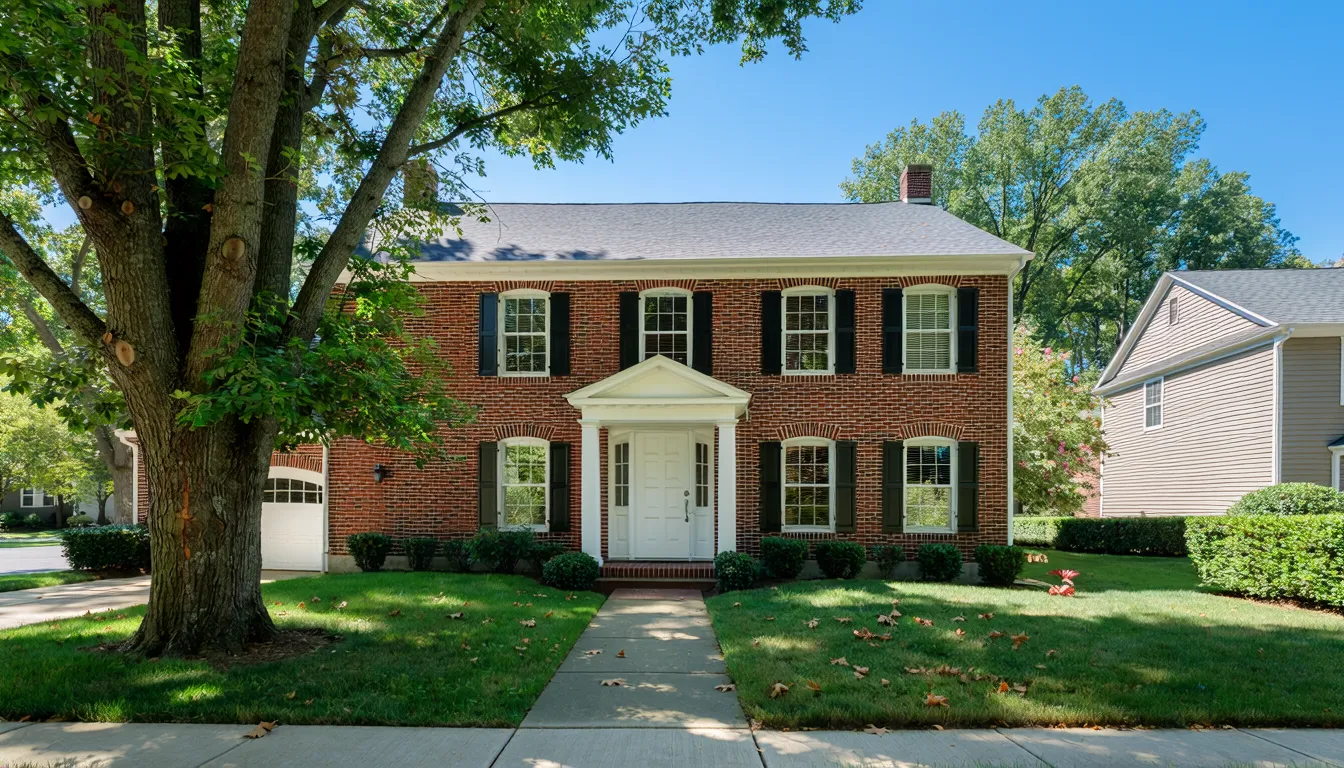
In a tight housing market, it is easy to assume that sellers hold all the cards. Inventory is low, competition for good listings is real, and buyers in Northern Virginia have spent years feeling like they are on the losing end of every offer. But the assumption misses something important about who is actually listing homes right now – and why.
Kareem Yousef, co-founder of Cornerstone Realty Group, a boutique residential team based in Northern Virginia, works with both buyers and sellers across the D.C. metro area. His team has closed nearly 300 transactions, and this year, for the first time, the seller side of the business has grown sharply – nearly tripling its listing portfolio, according to Yousef. That dual perspective gives him a window into what is motivating the people putting homes on the market. In most cases, the answer is not opportunity. It is necessity.
Who Is Selling and Why
The typical seller in Northern Virginia this fall is not someone who decided it was a great time to cash in on equity. Yousef describes a pattern of sellers driven by life events: relocations, family changes, or simply outgrowing a home purchased during the low-rate years. Someone who bought a two-bedroom condo in 2020 and now has multiple children cannot wait for the perfect market. They need more space now.
“These are sellers that need to sell for whatever reason they need to sell,” Yousef said. Voluntary, opportunistic listings have largely dried up. “I don’t think anyone is just happily listing their property on the market right now unless there’s a need.”
During the 2020 through early 2023 stretch, sellers could list with confidence that multiple offers would arrive within days. Now, with rates higher and buyer anxiety elevated, the sellers who choose to list are self-selecting for urgency.
What This Means for Buyers
For buyers, this changes the calculus of making an offer. When a seller needs to move, the negotiation is different than when a seller is testing the market. A necessity seller is more likely to consider concessions on price, closing costs, or repair credits – particularly if their home has been sitting for a few weeks.
Yousef argues that understanding the seller’s situation is one of the most overlooked tools buyers have right now. “Understanding the seller’s mindset as to why they have their house on the market can really dictate what kind of offer a buyer should be sending,” he said. A buyer who knows the seller is relocating for work on a deadline might structure an offer with a fast closing timeline rather than leading with the highest possible price.
The seasonal window adds another layer. Yousef notes that the period from August through the beginning of the following year has historically favored buyers. Fewer listings come to market in the fall and winter, but the ones that do tend to come from sellers who are motivated – reinforcing the same pattern of necessity.
The Catch Buyers Should Know
None of this means buyers can lowball their way to a deal. Inventory remains tight in Northern Virginia, and well-priced homes in desirable locations still attract competition. The voided contract rate has climbed this year, which Yousef attributes to buyers taking full advantage of the due diligence phase in ways they did not during the 2020–2023 stretch, when contracts moved to closing with few contingencies and little pushback. That increased caution also means sellers who have already lost one deal may be more flexible the second time around.
The risk for buyers who wait too long is not that the window closes – it is that good inventory is genuinely scarce. Yousef’s team has turned to sourcing off-market properties this year because what is publicly listed does not always meet their buyers’ needs. Finding the right home and recognizing a motivated seller are two separate challenges, and only one of them is getting easier.
Why Pricing Has Gotten Harder
The same necessity driving sellers to list is also creating friction over price. Yousef says one of the most common mistakes is pricing based on sales from six months ago. He points out that the MLS system agents use automatically defaults to a 180-day lookback for comparable sales – a window he considers too wide for the current market.
He described a specific example: in March 2026, his team submitted an offer at $1,150,000 on a property listed at $1,050,000, with no contingencies, and lost to a bid of $1,175,000. That level of competition no longer reflects what buyers will pay in September 2026, but sellers still anchor to those numbers. “I do my clients a disservice if I’m trying to price the property based on six months ago,” Yousef said.
Buyers who are actively searching in Northern Virginia this fall may benefit from a simple shift in approach: rather than focusing only on the property itself, spend time understanding why it is on the market. A home listed in September 2026 with 30-plus days on the market and a seller facing a life transition is a fundamentally different negotiation than a fresh spring listing in a bidding war.
About the Expert: Kareem Yousef is co-founder of Cornerstone Realty Group, a team of six agents operating in the D.C. metro area.
This article is intended for informational purposes only and does not constitute legal, financial, or investment advice. The views and opinions expressed herein reflect those of the individuals quoted and do not represent an endorsement of any company, product, or service mentioned. Readers should conduct their own due diligence and consult qualified professionals before making any investment decisions.