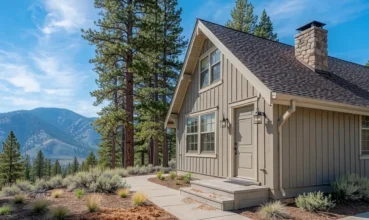
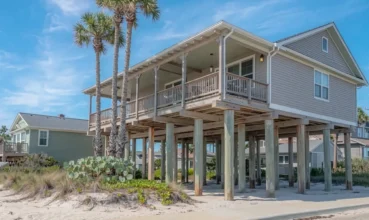
You’re about to close on a home in upcountry Maui when your lender delivers an insurance quote: $4,200 a year, far above what you expected. Or you receive notice that your longtime insurer is exiting Hawaii altogether. For buyers and homeowners across Maui, insurance costs have moved from a minor line item to a major obstacle — reshaping how people buy, sell, and hold property.
Since the August 2023 Lahaina wildfires, insurance carriers have sharply increased premiums, tightened coverage terms, and in some cases, stopped offering new policies entirely. What was once a predictable annual expense is now an unpredictable factor that can add hundreds of dollars to monthly payments or block a sale entirely.
Why Premiums Are Spiking
Insurance premiums for Maui homes have doubled, tripled, or even quadrupled since the fires, depending on location and property type. Condo owners have been hit especially hard, with HOA fees rising $200 to $400 per month as associations scramble to cover higher building insurance costs.
But the issue isn’t limited to price. Some insurers have stopped covering certain types of properties. Homes with wood shake roofs, common in upcountry Maui, are now considered too risky. According to Mino McLean, a broker with Island Sotheby’s International Realty, insurers will no longer cover homes with wood shake roofs after the wildfires. Buyers must now replace these roofs — an upgrade costing $15,000 to $30,000 — within 60 days of closing to secure coverage. Sellers may need to pay for these upgrades or risk losing buyers unwilling to take on the extra expense.
For both buyers and sellers, insurance is now a central part of negotiations and deal-making.
Steps for Buyers: Avoid Surprises
Get an insurance quote before making an offer. Waiting until you’re under contract can expose you to unexpected costs. Provide your insurance agent with the property address and ask for a realistic premium estimate. If the home has a wood shake roof or is in a high-risk fire zone, ask what upgrades will be required to secure coverage.
Budget for the true monthly cost. A $700,000 home may seem affordable until you add $350 in insurance, $1,500 in HOA fees, and $200 in property taxes. Calculate the full monthly payment before committing.
Negotiate upgrades with the seller. If a new roof or other mitigation work is required, try to include it in your purchase agreement. Motivated sellers may agree to complete upgrades before closing or offer a credit to cover the costs.
For Homeowners: Stay Ahead of Rate Hikes
Shop your policy 60 days before renewal. Rates are changing quickly, and some carriers are leaving the market. Don’t assume your renewal offer is the best you can get — seek quotes from at least two other insurers.
Consider a higher deductible. Increasing your deductible from $1,000 to $5,000 or $10,000 can lower your premium, but make sure you have enough savings to cover that amount if you need to file a claim.
Ask about mitigation discounts. Improvements such as a new roof, cleared brush, or fire-resistant landscaping may qualify you for premium reductions. Report these upgrades to your insurer and ask directly about available discounts.
For Landlords: Recalculate Your Numbers
Factor rising insurance costs into rental income projections. Ensure that your rental income can cover the mortgage, insurance, property taxes, and HOA fees. In some cases, higher insurance costs have made rental properties unprofitable.
Review your liability coverage. If you rent to tenants, confirm your policy includes adequate liability protection. Standard homeowner policies may not fully cover rental-related claims.
Assessing Your Property’s Risk
Check your property’s risk zone. Use Hawaii’s state hazard portal or FEMA’s flood map to see if your address falls within a high-risk fire or flood area. Homes in these zones face higher premiums and may require additional coverage.
Review your policy for exclusions. Contact your agent to clarify what is not covered. Many policies now exclude certain types of fire, flood, or wind damage unless you purchase separate riders.
Understand mitigation requirements. Some insurers now require upgrades such as a metal roof or defensible landscaping before agreeing to issue a new policy. Learn about these requirements early to avoid surprises at closing.
Key Pitfalls to Avoid
Some lenders will not finalize your mortgage without proof of insurance, even if you’re still shopping for a policy. If you’re buying during fire season or in a high-risk zone, start the insurance process well before closing — delays can stall or even kill a deal.
Be aware that certain policies have a 30-day waiting period before coverage begins. In wildfire or hurricane-prone areas, you cannot secure coverage at the last minute.
In addition, property taxes are rising alongside insurance costs. Maui lost significant tax revenue after the Lahaina fire, and the county is raising rates on second homes and investment properties to make up the shortfall. McLean notes that “second homeowners and investor owners are being taxed at a higher rate,” making it critical for buyers to factor these costs into their financial planning.
Conclusion: Insurance as a Deciding Factor
Insurance in Maui is now a make-or-break issue for buyers, owners, and investors. Premiums are rising, coverage is harder to secure, and requirements are stricter than ever. The only way to avoid costly surprises is to start the process early: get multiple quotes, check your property’s risk profile, and budget for the real costs — including potential upgrades and higher taxes. The best strategy is to stay proactive, ask questions, and plan for higher ongoing expenses before committing.
About the Expert: Mino McLean is a Broker at Island Sotheby’s International Realty, specializing in residential sales in upcountry and North Shore Maui since 2001.
This article is based on information provided by the expert source cited above. It is intended for general informational purposes only and does not constitute legal, financial, or real estate advice. Readers should conduct their own research and consult qualified professionals before making any real estate or financial decisions.