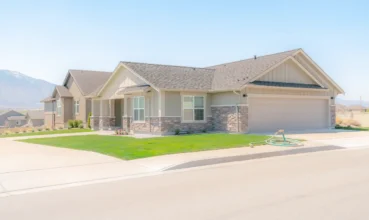
The narrative that Florida’s real estate market has simply “cooled off” from its pandemic-era peak doesn’t capture what’s happening across Northeast and Central Florida. The reality is more specific: a market sorting itself into distinct pockets, where pricing strategy, local knowledge, and buyer selectivity determine which properties move and which sit.
Rising inventory, more cautious buyers, and lingering seller expectations from the pandemic era have created a market where broad statewide data can be misleading. What matters now is hyperlocal conditions and the ability to read them accurately.
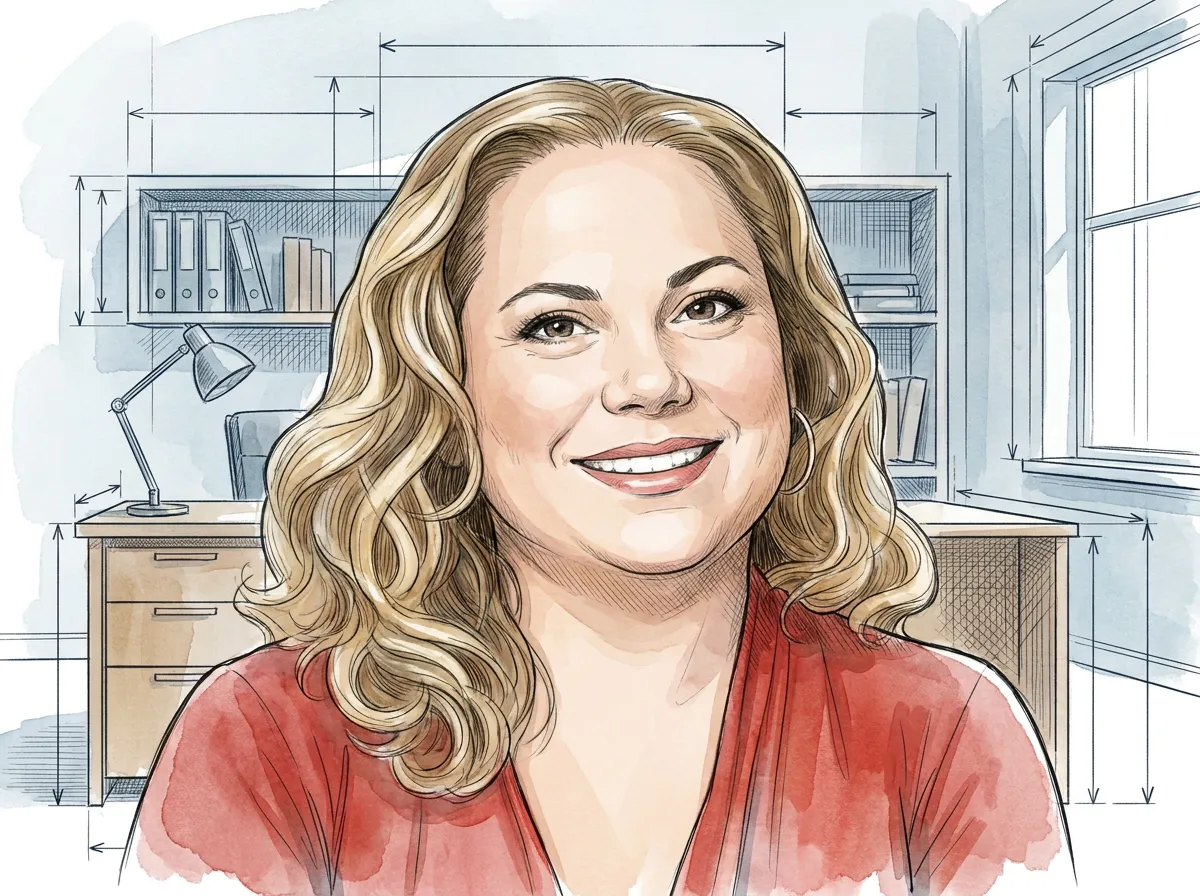
Jennifer Rountree, Team Lead at True Grove, brokered by eXp Realty, operates across roughly 27 counties in Northeast and Central Florida. From her base in Green Cove Springs, she and her team work a corridor stretching from Clay County through Central Florida, covering everything from rural land parcels to new construction communities.
A Market of Contrasts
Florida is not behaving as a single market, and that distinction matters for anyone making decisions based on statewide data. Rountree’s team is seeing genuine divergence across geographies. In parts of Pinellas County near Tampa Bay, homes priced above $600,000 are going under contract within a week. Meanwhile, in portions of Northeast Florida, conditions favor buyers. “Buyers are being very selective,” Rountree explains. “They know they have choices.”
Some zip codes are balanced enough that neither side holds a clear advantage. The Gulf Coast remains more competitive for sellers, while inland Northeast Florida corridors are showing softer conditions with longer days on market and more room for negotiation.
The Pricing Problem
When listings sit, the cause is usually the same: overpricing. “If you price correctly, you move the property,” Rountree says. Many sellers remain anchored to the pricing environment of two or three years ago, when bidding wars were common and homes routinely sold above asking.
True Grove’s current approach runs counter to conventional instincts. Rather than listing high and reducing, the team advises sellers to come in at or slightly below market value and let buyer competition do the work. “We have found that we’ve been able to save our sellers so much money by just starting out a little bit lower and letting the market raise the price where it needs to be,” Rountree explains.
Sellers who aren’t following that logic are accumulating days on market. Her advice is straightforward: address deferred maintenance before listing. Buyers increasingly expect move-in-ready conditions as a baseline, not a premium feature. Roofs, HVAC systems, and other routine maintenance items are no longer negotiating chips: they’re prerequisites for serious offers.
Relocation as a Core Business
The demand driving much of this market activity comes from out of state. Florida continues to draw buyers from across the country, though the profile of those buyers has evolved. Many arrive with a general sense that they want to be in Florida, but without a fixed idea of where. That ambiguity has become an opportunity for agents who know the corridor well.
Northeast and Central Florida offer a range that few single markets can match: proximity to beaches, walkable urban areas, new construction communities, and rural land where buyers can build family compounds, a format Rountree says is growing in popularity.
A recent transaction illustrates how relocation works in practice. A couple retiring from Massachusetts wanted to be closer to their adult children in Central Florida. True Grove coordinated the transaction on both ends, connecting with a referral partner in Massachusetts to handle the sale there while managing the Florida purchase. The contingency structure required careful coordination, but the team’s familiarity with that process kept things on track.
For out-of-state buyers, the team front-loads preparation before any in-person visits. Virtual buyer presentations, curated property selections, and detailed market briefings are standard. “When we finally meet, and we finally do see them, we want that visit to be very impactful,” Rountree says. Some buyers fly in for a single day, and the goal is to make sure that time yields clear decisions.
Growth Corridors and Investor Opportunity
Jacksonville’s outward expansion is creating ripple effects in surrounding counties. The city – the largest by land area in the continental United States – is generating growth pressure that extends well beyond Duval County. Workers employed in Jacksonville are increasingly choosing to live in Clay, Nassau, St. Johns, Baker, Bradford, Volusia, and Flagler counties, accepting longer commutes in exchange for lower costs and different lifestyle options. Infrastructure investment in Clay County, in particular, is accelerating to accommodate that growth.
For investors, Rountree points to Hawthorne, Putnam County, and Keystone Heights in Clay County as areas worth watching. These are markets where land remains available at accessible price points and where growth pressure from the Jacksonville metro is beginning to be felt.
The right investment strategy depends heavily on the investor’s goals. Short-term rental markets, long-term rental plays, and land banking each call for different approaches, and True Grove uses intake forms to understand what each investor is trying to accomplish before beginning a search.
A Quiet Uptick
One trend that hasn’t received much attention is a modest increase in short sales and foreclosures across parts of Florida. True Grove recently closed a short sale in Port Charlotte and has additional distressed listings active in neighboring counties. Rountree is careful not to overstate the trend but believes it warrants attention from both agents and consumers.
For buyers, distressed properties can represent a path to more affordable homeownership. For sellers navigating financial hardship, having representation with the right credentials matters. Rountree holds a short sale and foreclosure designation and has found it increasingly relevant as these transactions reappear.
What Out-of-State Buyers Underestimate
Beyond pricing and location, carrying costs catch many relocating buyers off guard. Insurance – particularly flood insurance – is frequently cited as a surprise expense. Property taxes, HOA structures, and environmental considerations also come up regularly in conversations with buyers relocating from states like Colorado, where the cost and regulatory environment looks quite different.
True Grove treats cost education as a core part of the onboarding process for relocation clients. “It comes down to education and arming the consumer with what they need to know,” Rountree says. Buyers who arrive informed tend to move through the process with less friction and fewer surprises at closing.
Going Forward
The conditions across Northeast and Central Florida point toward a market that will continue rewarding precision over volume. Sellers who price realistically and present move-in-ready homes are closing faster than local averages suggest. Those who resist are watching listings age. For buyers, the window of selectivity remains open in inland corridors, though growth pressure from Jacksonville could narrow that window in places like Clay and Putnam counties over the next several years. The agents and investors who treat Florida as a collection of micro-markets – rather than a single story – are the ones positioned to act when conditions in any given corridor reach a tipping point.
About the Expert: Jennifer Rountree is Team Lead at True Grove, brokered by eXp Realty, operating across approximately 27 counties in Northeast and Central Florida from a base in Green Cove Springs. She holds a short sale and foreclosure designation.
This article is based on information provided by the expert source cited above. It is intended for general informational purposes only and does not constitute legal, financial, or real estate advice. Readers should conduct their own research and consult qualified professionals before making any real estate or financial decisions.