The national conversation about housing being “stuck” does not map neatly onto every local market. In Tahoe-Truckee, according to Christy Morrison, broker and owner of Home and Slate Real Estate, the divide is more specific: homes in strong locations that have been well maintained are moving, while properties that were overpriced at the start of the year and need significant upgrades are sitting. What separates the two is how much work second-home buyers are willing to take on.
Morrison has worked the Tahoe-Truckee market for nearly 27 years and started Home and Slate as her own brokerage about three years ago. The boutique luxury company, with a team of 12 agents, focuses primarily on second-home buyers and sellers.
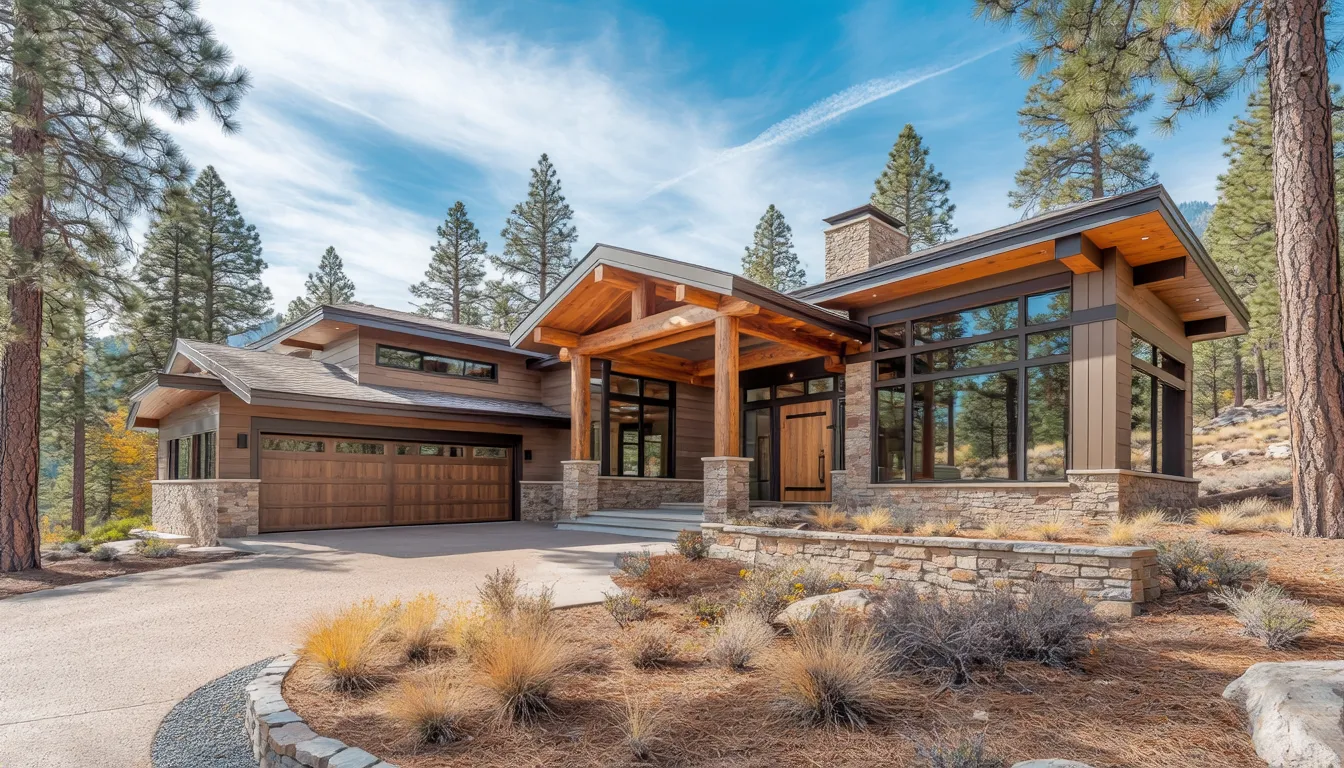
The reason the market splits along condition is structural. Most second-home buyers do not know local contractors, and even full-time residents find a remodel difficult and very expensive. That combination thins the buyer pool for homes that need work, and it leaves the listings that do sell looking much the same. “The homes that are moving are in great locations and are well fixed up, very well maintained,” Morrison says.
Who Is Buying and Why
The buyers making those choices are, once again, mostly second-home purchasers. The buyer profile has returned to its traditional base: primarily households from the San Francisco Bay Area, with a smaller contingent from Sacramento, Southern California, and Texas. Remote work remains a factor – Bay Area professionals can split time between the mountains and the office – but the core draw is skiing and easy access to a getaway.
Within that group, Morrison sees a growing segment of trade-up buyers: families who already own in the area and are upgrading as their households expand. As grandchildren arrive and the next generation keeps returning, these owners are moving into larger homes or more exclusive luxury neighborhoods. For them, Morrison says, the vacation home represents the family’s “happy place,” and the move up keeps it working as the family grows.
New tech employment in the Bay Area is also sustaining demand. “We have new industries – AI, for example, creating new jobs in the Bay Area,” Morrison says. Because the Bay Area is Tahoe-Truckee’s primary feeder market, she says, the local market has not been stagnant, even if that is not the case nationally.
A Market That Follows the Snow
Timing is the other variable sellers have to get right. Tahoe-Truckee is a strongly seasonal market. Inventory runs lowest from late fall through early spring, then sellers list heavily in May, June, and July, pushing inventory to its annual peak in August. Escrows peak in September and continue through October, November, and the holiday season, when second-home owners and visitors are in the mountains. Activity picks back up again at the end of March and into April.
That calendar is what catches overpriced listings. Homes priced too high at the start of the year missed their window, Morrison says, and they are often the same properties that need significant upgrades.
Short-Term Rental Rules and Insurance Costs Have Been Absorbed
Two issues that once unsettled the market – short-term rental restrictions and insurance costs – have largely been absorbed. When Truckee’s short-term rental rules took effect a few years ago, prices dropped. Today, owners must wait a year before joining a waitlist for a permit, then face another six to eight months before they can begin renting. The North Shore of Lake Tahoe, by contrast, requires only a permit, and permits are readily available. Morrison says the market has sorted itself accordingly: buyers who prioritize rental income buy on the North Shore, while those who can wait or do not need the income buy in Truckee, and the rules are no longer moving prices either way.
The exception is HOA-governed communities that have banned short-term rentals entirely, including some condo complexes and a couple of Truckee communities. “You can see a slight decrease in the price because of that,” Morrison says.
Insurance is expensive across the board. Buyers generally go onto the California FAIR Plan, the state’s insurer of last resort, with annual premiums of about $4,000 at the lower end and $15,000 to $20,000 at the high end; once they own, some are able to move to standard carriers. Morrison says the sticker shock has faded, partly because costs have risen throughout California. “It used to be Tahoe had the highest insurance rates, and now if you go to Napa, Sonoma and some of the other areas, it’s pretty much the same.”
Where Opportunity Sits
The same mix of steady demand and slower pockets shows up neighborhood by neighborhood. Tahoe Donner – a community with HOA-maintained amenities including pools, tennis courts, and equestrian and mountain biking areas, plus easy access to Interstate 80 – is probably the area’s most popular market, Morrison says, with average time on market under 40 days. It has also been among the most stable: after the 2008 crash, she says, prices there probably fell the least of any local neighborhood.
The higher-end communities of Lahontan and Gray’s Crossing have been slower, with some homes sitting on the market. Morrison frames this as an opportunity for buyers and notes that sales in both neighborhoods have picked up over the past two to three months.
For investors, her advice follows directly from the condition split. Look for homes that have been on the market for more than 60 days, because those sellers want to sell. And look for homes that need some fix-up, because that is exactly what second-home buyers are avoiding. An investor who takes on the renovation, she says, can likely sell to the next second-home family that comes looking.
Morrison is equally clear about the limits of that strategy. Tahoe-Truckee is a lifestyle market, not one built for flipping or maximum return. Some owners make decent money renting their homes to vacationers, but investors chasing the highest yields, she says, should look to Reno. The buyers her company serves, and prefers to work with, come for family time, community, and enjoying life in the mountains.
What Comes Next
Interest rates remain the primary constraint. Morrison says the current rate environment, together with global uncertainty, has slowed both sides of the market: sellers are holding off on listing, and buyers are hesitant to commit. If rates come down, she expects a lift in prices and activity, and she will be watching next spring and summer. For now, though, “It seems like it’s a long way off.”
Until then, Morrison’s account points to a market that will keep sorting by condition and price. Well-maintained homes in active neighborhoods will continue to sell, while those that need work or were priced above the market will continue to sit, creating openings for buyers and investors willing to take on a project.
About the Expert: Christy Morrison is a broker and owner of Home and Slate Real Estate, a boutique luxury brokerage in Tahoe-Truckee, California, focused primarily on second-home buyers and sellers. She has worked the Tahoe-Truckee market for nearly 27 years.
This article is based on information provided by the expert source cited above. It is intended for general informational purposes only and does not constitute legal, financial, or real estate advice. Readers should conduct their own research and consult qualified professionals before making any real estate or financial decisions.