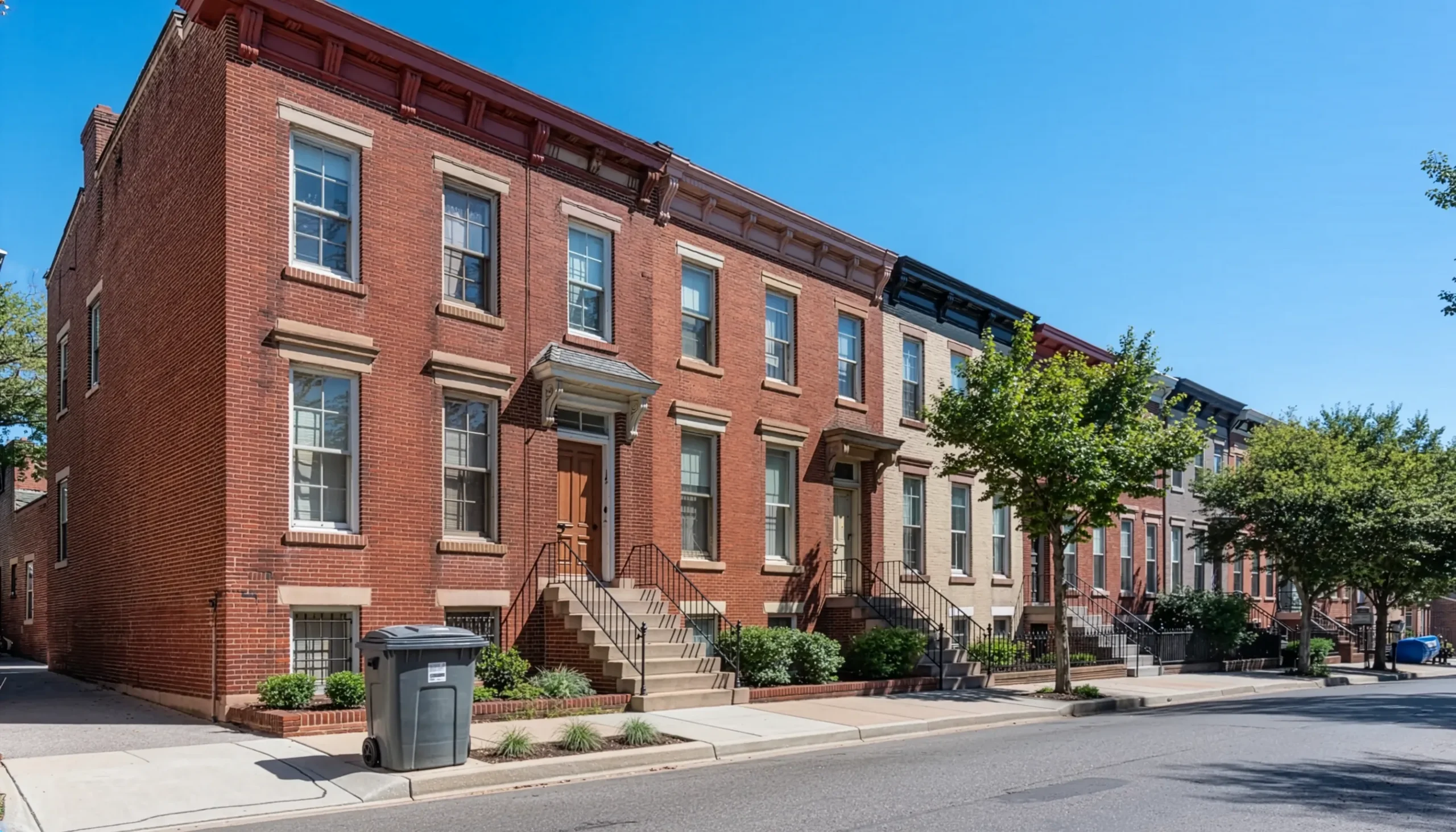
New York City’s housing conversation centers on building more. In South Brooklyn, a less visible shift is adding to the complexity of the situation: the small, family-owned landlords who provided the most stable rental housing in these neighborhoods are selling off their properties. What replaces them is not more housing but a different kind of ownership — one that prioritizes returns over relationships and pushes rents higher in the process.
Victoria Alexander, founder of Realty Collective, a Brooklyn-based brokerage she started 21 years ago, has watched this accelerate. The pressures are cumulative: rising property taxes, higher utility costs, and a series of policy changes – including tenant protection legislation and the FARE Act – have made it harder for small-scale landlords to justify holding their properties. “It has really pushed legacy landlords that sometimes lived in the building with the tenants, or had one building that they inherited from their parents, to liquidate this asset,” she says.
What Gets Lost When Small Landlords Sell
When a building passes from a family owner to an investor focused on returns, rents tend to rise to whatever the market will bear. But the change goes beyond price. Alexander says small landlords often valued tenants who shoveled snow, flagged maintenance issues, or collected mail during vacations – contributions that never showed up on a balance sheet but kept buildings running and costs down. An investor optimizing for revenue hires contractors for those tasks and passes the expense along through higher rent. “When you’re looking at bottom lines, you don’t care that the person’s going to shovel the snow up front,” she says. “You’ll hire somebody to do that because you’re maximizing on rent.”
One recent transaction illustrates the pattern. A Red Hook property owner who had moved to the West Coast was renting their home furnished to a tenant. An off-market offer came in, and the owner decided to sell rather than continue managing from a distance – citing the cumulative difficulty of navigating regulations and maintenance remotely. Alexander says this kind of exit is increasingly common among owners who lack the resources or proximity to absorb the growing administrative burden of landlording in New York City.
Inventory Lock and the Affordability Squeeze
The tight inventory across much of Brooklyn is not simply a supply shortage. It is also a mobility problem. Renters are staying put – even in apartments that no longer fit their households – because moving triggers a rent increase. Alexander describes families with two or three children living in two-bedroom apartments because upgrading within their neighborhood is financially out of reach. That reluctance to move restricts turnover across both the rental and sales markets, keeping listings scarce even when demand is strong.
On the sales side, high interest rates and elevated property taxes on new construction are compounding the problem. Expired developer incentive programs have slowed new housing production after an initial wave of construction in neighborhoods like Gowanus. Alexander says she hopes the current city administration will address property tax reform, calling the existing system “highly inequitable.”
The Gap Developers Are Missing
For developers reading market signals in South Brooklyn, Alexander identifies a persistent blind spot: entry-level housing. The current development pipeline skews heavily toward luxury finishes and high-end pricing, but the actual demand in these neighborhoods is for something simpler and more affordable. “That entry-level apartment is missing from this market,” she says. “If developers could make the same math work and have the same amount of profit by not spending so much money on the high-end appliances and the high-end finishes, that product is missing.”
She points to Red Hook specifically, where new construction often targets buyers from outside the neighborhood rather than current residents. The result is a mismatch: new apartments that local buyers cannot afford and that sit longer as a result. Alexander argues that simpler, more straightforward construction would carry less risk for developers over the long term because it matches where actual demand sits rather than competing for a smaller pool of high-end buyers.
Climate Risk as a Market Filter
Flood exposure in Red Hook is well documented, but Alexander distinguishes between two distinct types of risk: sea-level rise and cloudburst events, where rainfall overwhelms the sewer system faster than it can drain. New construction in the area must meet updated flood standards, which reduces risk for buyers of newer buildings. But Alexander’s broader point is that climate risk is no longer location-specific. “I really do think we’re moving into a phase of the Earth’s existence where the impacts from human existence are going to not be able to be escaped even by the richest of us,” she says.
In her view, the flood exposure has functioned as a self-selecting filter for the neighborhood. “People that are not up for the challenge and are risk averse are not coming to Red Hook,” she says. The buyers who do come tend to accept the risk with open eyes – which, Alexander suggests, produces a more committed and resilient resident base.
Platform Wars and Consumer Cost
Alexander is also watching the conflict between major real estate platforms – including Zillow, StreetEasy, and Compass – over private listings and market access. She sees the competition as ultimately harmful to consumers, driven by corporate strategy rather than buyer and seller needs. “They’re really operating by creating fear-based sales marketing to the consumer,” she says. “Give people value and education and teach them instead of fighting over access to listings and making people feel like they’re missing out on something.”
The effect, in Alexander’s view, is that buyers and sellers lose meaningful choice. When dominant platforms restrict listing access to drive market share, smaller brokerages and their clients bear the cost – not through higher fees, but through reduced visibility and fewer options.
About the Expert: Victoria Alexander is founder of Realty Collective, a Brooklyn-based brokerage she started 21 years ago, serving South Brooklyn neighborhoods including Red Hook.
This article is based on information provided by the expert source cited above. It is intended for general informational purposes only and does not constitute legal, financial, or real estate advice. Readers should conduct their own research and consult qualified professionals before making any real estate or financial decisions.