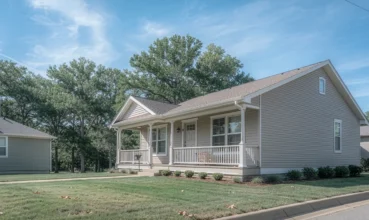
A common refrain among prospective homebuyers in Southern California is that they have been “priced out.” In San Diego County, that belief is often wrong – not because prices are low, but because assistance programs are far more generous, and far more broadly available, than most buyers realize. According to Angel Ramirez, a real estate agent with Ramirez Realty Group at Realty ONE Group Pacific who has worked the San Diego market since 2015, down payment assistance in the county can reach up to $120,000, and eligibility extends to moderate-income households earning six figures.
The disconnect between perception and reality is one of the biggest obstacles Ramirez encounters. “I hear buyers say, ‘I
can’t afford to buy a home. We’ve been priced out,’ but often, they’re basing that belief on the headlines and sound bites they hear rather than exploring the options available to them. There are assistance programs that many buyers don’t even realize they may qualify for.”
The assistance includes grants and silent second mortgages, and once buyers learn about these programs, the conversation shifts from whether they can buy to when. In some cases, Ramirez says, a purchase may be three months or six months away rather than imminent – but a concrete plan replaces the assumption that homeownership is out of reach.
Sellers Are Losing Momentum by Overpricing
On the listing side, a different miscalculation is costing sellers money. Some sellers in the San Diego market price high with the assumption they can always reduce later. That strategy, Ramirez says, costs them the window that matters most.
The first few weeks on the market are when a listing draws the most attention from serious buyers. Homes that miss that window with inflated pricing lose initial momentum, and subsequent price reductions don’t always recover it. “Pricing a home correctly from the start is critical. If it’s overpriced, it can be overlooked by buyers, and you may not regain that initial interest even after a price reduction.”
The dynamic cuts both ways. Homes that are priced correctly and presented well still attract multiple offers in some cases. Buyers who assume a softer market gives them broad leverage can miscalculate. “Homes that are priced correctly and show well can still attract multiple offers.” Ramirez says, “Buyers can still negotiate a good deal, but they need to know where the opportunities are. Looking at how long a home has been on the market, its condition, and what similar homes have recently sold for can make all the difference.”
Military Relocations Require a Different Buying Process
San Diego is one of the largest military concentrations in the country, and PCS moves – permanent change of station orders – generate a steady stream of buyers who are unfamiliar with the area and often working under compressed timelines. The buying process for these families starts virtually, sometimes months before they arrive.
Ramirez describes a recent transaction involving a family relocating from the East Coast. The process began with virtual tours and neighborhood research focused on school ratings, which were the family’s priority. Within two weeks, the family visited for a weekend of in-person showings and submitted offers. The purchase was contingent on selling their home on the East Coast, requiring coordination across two escrows, two title companies, and two agents – all while the family was moving to a place they had never lived.
For military buyers weighing the rent-versus-buy decision on a four-to-six-year station, Ramirez’s advice is direct. San Diego prices have generally held up, and renting means losing money that could build equity. She also notes that San Diego’s large concentration of military bases means service members frequently stay for more than one term, extending the ownership horizon beyond what buyers initially expect. “When you rent, that money pays someone else’s mortgage rather than building equity in a home of your own.” she says.
West Chula Vista as an Investment Opportunity
For investors considering the South Bay area, Ramirez points to West Chula Vista, where development projects – including the Gaylord Pacific project near the Bayfront – are pushing prices upward across the broader Chula Vista market. The area’s housing stock ranges from established neighborhoods to newer master-planned communities designed for multigenerational families, creating entry points across a range of budgets.
Some buyers who begin their search in Chula Vista end up looking at Riverside County communities where the dollar stretches further. But Ramirez frames that tradeoff in concrete terms: depending on the workplace, a move inland can add 40 minutes to an hour and a half to a daily commute. For families on a short military assignment, that commute time may outweigh the savings. “It really just depends on that family’s needs,” she says. For some, buying in Riverside County is a stepping stone – a way to get into a larger home at a lower cost before eventually transitioning back to San Diego.
Pricing Discipline Will Define the Next Year
Looking ahead, Ramirez expects affordability to remain the central issue in the San Diego market. Buyers will stay focused on monthly payments and total cost of ownership, while sellers will need to understand how their property compares to competing listings rather than defaulting to optimistic pricing. Ramirez says tools like rate buydowns and seller credits will play a larger role in getting deals done as buyers look for ways to reduce monthly costs without waiting for rates to drop.
For buyers, Ramirez argues that waiting for lower prices is likely to backfire. If you spend too much time waiting for the perfect market conditions, you can miss opportunities that are right in front of you.” She says, “San Diego home values are still rising in many neighborhoods, and with median home prices in Chula Vista at around $860,000, even a 1% to 2% increase could mean paying $8,600 to $17,200 more. Waiting for lower interest rates could cost buyers more in the long run.” Her point is that while monthly payments can be restructured later through refinancing if rates fall, the purchase price of a home in San Diego is unlikely to decrease. Buyers who can afford today’s monthly payment and plan to hold the property for several years are better positioned than those waiting for conditions that may not arrive.
For sellers, the pressure of multiple offers is no longer a given. Pricing correctly from day one – based on comparable sales data rather than aspiration – is the single most consequential decision in a listing strategy. Homes that enter the market at the right price and in strong condition still sell quickly. Those that do not may face a longer, more costly path to closing.
About the Expert: Angel Ramirez is a real estate agent with Ramirez Realty Group at Realty ONE Group Pacific, covering the San Diego, California market since 2015.
This article is based on information provided by the expert source cited above. It is intended for general informational purposes only and does not constitute legal, financial, or real estate advice. Readers should conduct their own research and consult qualified professionals before making any real estate or financial decisions.