Housing markets across the U.S. are splitting into two distinct stories in 2026, with high-end demand holding steady while entry-level segments cool under mounting affordability pressure. Houston illustrates this national divide with unusual clarity.
Houston’s housing market is not one market. At $1.2 million and above, properties move quickly, driven by corporate relocations and executives arriving from higher-cost cities. Below $500,000 in the urban core, the opposite is happening: inventory is sitting longer, sellers are cutting prices, and buyers have negotiating room they have not had since before the pandemic.
That split has become one of the defining features of mid-2026 Houston, according to James Priddy, a Realtor with Metro Edge Realty who works across the metro from inner-loop urban neighborhoods to master-planned suburban communities.
Where the Slowdown Lives
Priddy describes a clear dividing line between price tiers. Properties in the lower urban bands are taking longer to sell, and sellers are adjusting expectations downward. He says the slowdown is concentrated in “those lower price tiers,” while “the higher price stuff, urban is still moving well.”
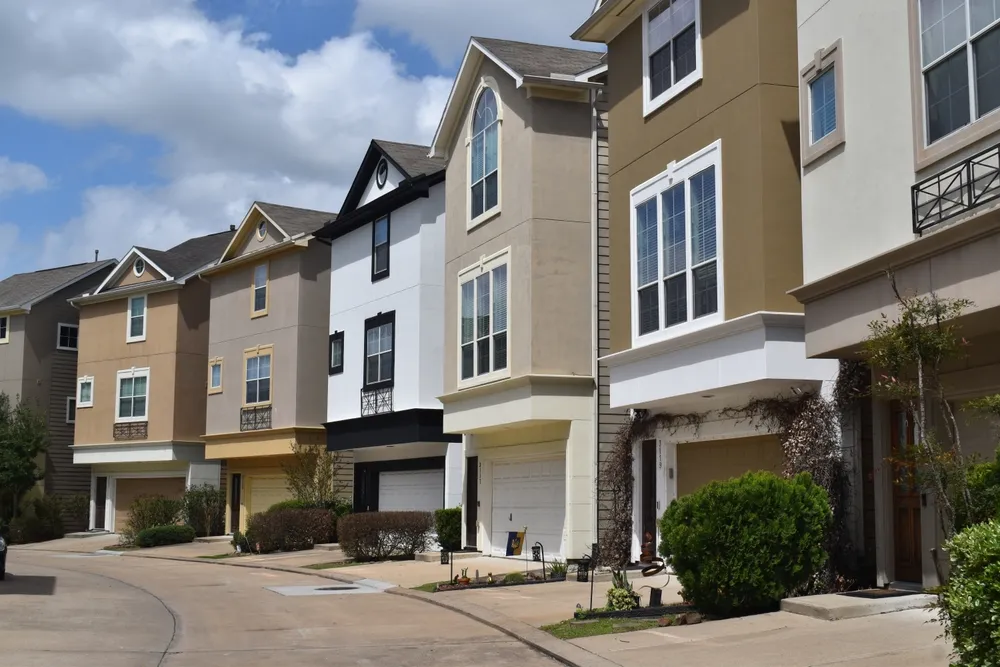
For first-time buyers or young families looking at townhomes or starter homes inside Houston’s loop, this means shopping in a segment where supply outpaces demand. That is a reversal from the pandemic years, when listings at any price point drew multiple offers within hours.
Priddy says the metro is carrying “more inventory on the ground than we typically see.” That surplus is concentrated in these lower and middle price bands. Sellers who listed expecting pandemic-era competition are now waiting, and eventually reducing their prices.
The Cost of Waiting
Buyers in this tier have more room to negotiate, but not every listing will sit indefinitely. Priddy describes a recent situation where a buyer wanted a day or two to consider a property, and “it was gone after one day on the market; it had sold.”
The pattern is straightforward: homes priced accurately for today’s market still move fast. Homes priced for two or three years ago sit. That creates an uneven landscape where a buyer can take time on an overpriced listing but lose out on one that a seller has already adjusted to current conditions.
Buyers have leverage, but not unlimited time on every property.
Buyer Leverage Today
The practical difference between this market and the one buyers faced during the pandemic surge is concrete. Priddy says “it’s definitely not a market like 2020 where you have to waive contingencies” just to win. Buyers can keep their inspection contingencies, negotiate repairs, and ask for closing cost contributions without automatically losing the deal.
That matters because during the pandemic surge, buyers in Houston routinely waived contingencies to compete. Today, in the sub-$500,000 urban segment, those sacrifices are largely unnecessary. Buyers retain the protections that allow them to walk away from a bad inspection or renegotiate after an appraisal comes in low.
Interest rates remain the primary headwind. Priddy acknowledges that rate sensitivity is the biggest factor keeping buyers on the sidelines across all price tiers. That is a national problem, not one unique to Houston. Lower prices and more negotiating room do not fully offset higher monthly payments for many households.
A Narrowing Window
Priddy notes that in the past one to two weeks, showings have ticked up and more properties are going pending. If that momentum continues, buyers in this segment may find that the negotiating room they have today narrows by fall.
For now, the combination of elevated inventory, price reductions, and restored contingency protections gives sub-$500,000 buyers in Houston’s urban core a position they have not held in several years. The buyers best positioned to use that leverage are those who can qualify at current rates and act decisively when a correctly priced property appears, rather than assuming every listing will wait for them.
About the Expert: James Priddy is a Realtor with Metro Edge Realty, serving inner-loop Houston and its western suburbs including Cypress, Katy, and Fulshear.
This article is intended for informational purposes only and does not constitute legal, financial, or investment advice. The views and opinions expressed herein reflect those of the individuals quoted and do not represent an endorsement of any company, product, or service mentioned. Readers should conduct their own due diligence and consult qualified professionals before making any investment decisions.